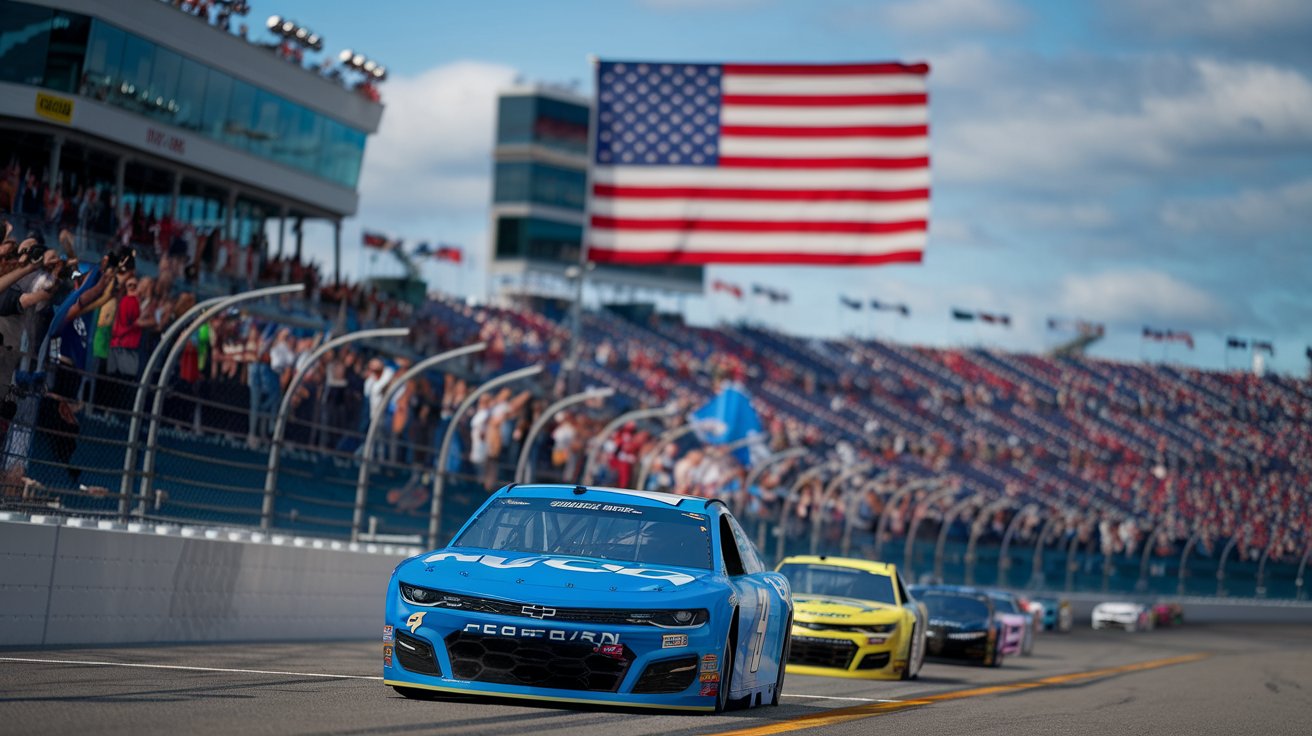
Becoming a race car driver requires dedication, training, and strategic career planning. In the United States, aspiring drivers can pursue paths through NASCAR, IndyCar, sports car racing, or even Formula 1. This comprehensive guide outlines the step-by-step process, including karting foundations, racing schools, licensing requirements, financial considerations, and realistic timelines to break into professional motorsports in 2026.
Starting Your Racing Journey: Age and Early Training
Most successful race car drivers begin their careers in karting between ages 5 and 12. Starting early develops crucial car control skills, spatial awareness, and competitive instincts essential for advanced racing. In 2026, the United States has over 500 karting facilities offering youth programs, with organizations like the World Karting Association and SKUSA providing structured competition paths. Early karting experience costs between $3,000 and $15,000 annually depending on competition level and equipment.
For those starting later, adult-oriented racing schools accept students as young as 16-18 years old. Schools like Skip Barber Racing School, Bondurant High Performance Driving School, and Team O’Neil Rally School offer foundation courses teaching vehicle dynamics, racing lines, and safety protocols. Late starters can still become professional drivers, though the path typically requires more intensive training and financial investment to compensate for limited early experience.
Karting as the Foundation
Karting serves as the primary entry point for race car drivers worldwide. In the United States, competitive karting programs teach fundamental racing concepts including overtaking techniques, defensive driving, and racecraft. Participants compete in local, regional, and national championships across various kart classes from Cadet (ages 7-12) to Senior divisions. Successful karting careers demonstrate driver talent to scouts and team owners, with many NASCAR and IndyCar drivers having karting backgrounds. The annual investment ranges from $5,000 for local club racing to $50,000+ for national championship campaigns.
Racing Schools and Formal Training
Professional racing schools provide structured curriculum covering vehicle dynamics, track strategy, and safety systems. In 2026, prominent US schools offer multi-day programs starting at $2,500 for introductory courses up to $15,000 for comprehensive competition licenses. Schools utilize formula cars, sports cars, or stock cars depending on specialization. Graduates receive competition licenses recognized by sanctioning bodies like SCCA, NASA, or regional organizations. Many schools maintain talent identification programs connecting promising students with racing teams seeking drivers for ladder series.
Obtaining Racing Licenses and Certifications
Securing proper racing licenses requires completing approved training programs and demonstrating competency through written and practical examinations. The Sports Car Club of America (SCCA) issues licenses ranging from Novice Permits to Competition Licenses, requiring specific classroom hours and supervised track sessions. In 2026, the licensing process costs between $500 and $2,000 including membership fees, school attendance, and medical examinations. Each racing series maintains unique requirements, with NASCAR requiring Road to Daytona licenses and IndyCar requiring appropriate open-wheel credentials.
Physical fitness certifications and medical clearances are mandatory for professional race car drivers. Annual physicals verify cardiovascular health, vision acuity, and reaction times meeting sanctioning body standards. Advanced licenses for national series require documented experience hours, typically 15-25 competition events at lower levels. Many drivers maintain multiple licenses across different racing disciplines to maximize opportunities and demonstrate versatility to potential sponsors and teams.
How Hard Is It to Become a Race Car Driver?
The difficulty of becoming a professional race car driver ranks extremely high due to fierce competition, substantial financial requirements, and the elite skill level demanded. In 2026, fewer than 1% of karting competitors advance to paid professional drives. The path requires exceptional driving talent, consistent performance under pressure, physical fitness comparable to professional athletes, and often $500,000 to $2 million in funding for lower-level professional series. Mental resilience to handle failures, crashes, and intense competition separates successful drivers from talented amateurs.
Beyond natural ability, aspiring drivers must develop business acumen for sponsor acquisition, media skills for promotional obligations, and networking abilities to access team opportunities. The time commitment spans 8-15 years from karting beginnings to professional contracts, with no guaranteed outcomes despite maximum effort. Many talented drivers never secure professional opportunities due to limited available seats—NASCAR Cup Series fields only 40 cars, while IndyCar fields approximately 25-30 full-time entries. The combination of athletic demands, financial barriers, and scarce professional positions makes this career path exceptionally challenging.
Career Paths in American Motorsports
The United States offers diverse racing career paths across multiple disciplines, each with distinct characteristics and progression ladders. Understanding these pathways helps aspiring drivers align their training and resources with achievable goals based on preferences and opportunities available in 2026.
NASCAR Pathway
The NASCAR ladder system progresses through ARCA Menards Series, NASCAR Xfinity Series, and culminates in NASCAR Cup Series. Drivers typically start in late model stock car racing or ARCA series, requiring $300,000 to $500,000 annually for competitive equipment and support. The stock car racing style emphasizes close-quarters competition, oval track mastery, and vehicle setup knowledge. In 2026, NASCAR’s Drive for Diversity program provides opportunities for underrepresented groups, offering funded seats in development series. The timeline from local short tracks to Cup Series averages 10-15 years for successful drivers.
IndyCar and Open-Wheel Racing
The open-wheel pathway includes Formula 4, Formula Regional Americas, Indy Pro 2000, Indy NXT (formerly Indy Lights), and IndyCar Series. This progression emphasizes technical precision, road course expertise, and adaptation to high-downforce vehicles. Annual budgets range from $200,000 in F4 to $1.5 million in Indy NXT. The Road to Indy scholarship system awards advancement funding to championship winners, reducing financial barriers for talented drivers. Open-wheel racing demands refined car control and engineering collaboration, with international competition providing alternative paths through European Formula series.
Sports Car and Endurance Racing
Sports car racing through IMSA WeatherTech SportsCar Championship offers professional opportunities in GT and prototype categories. This discipline values consistency, endurance race strategy, and multi-class traffic management. Entry costs begin at $150,000 for regional GT4 programs, scaling to $750,000+ for national-level GT3 campaigns. Endurance racing provides more professional seats than single-seater series, with teams fielding multiple drivers per car. Many drivers build sustainable careers combining gentleman driver coaching, simulator work, and professional co-driving arrangements in prestigious events like the Rolex 24 at Daytona.
Financial Requirements and Sponsorship
The financial reality of becoming a race car driver represents the primary barrier for most aspirants. In 2026, progressing from local racing to professional series requires cumulative investments of $2 million to $10 million depending on the chosen discipline and advancement speed. Initial karting programs cost $10,000-$30,000 annually, while regional formula car series demand $150,000-$300,000 per season. National-level competition in developmental series like ARCA or Indy Pro 2000 requires $400,000-$800,000 annually for competitive programs.
Securing sponsorship becomes essential for career sustainability and advancement. Successful drivers develop comprehensive marketing packages demonstrating value propositions to potential sponsors including social media reach, brand alignment, and activation opportunities. In 2026, effective drivers maintain professional websites, active social platforms with 10,000+ engaged followers, and documented media coverage. Corporate sponsors typically invest $50,000 to $500,000 annually in developmental drivers, expecting professional conduct, appearance obligations, and measurable brand exposure returns.
Personal Funding vs Paid Drives
Most aspiring race car drivers begin careers with personal or family funding, transitioning toward paid professional drives as performance merits recognition. Pay-to-drive arrangements dominate lower-level series, while top-tier positions in NASCAR Cup Series or IndyCar offer salaries ranging from $200,000 to $10 million+ for established stars. The transition from funded driver to paid professional typically occurs after winning championships or demonstrating exceptional talent worthy of team investment. Many drivers maintain mixed arrangements combining personal sponsorship with team support throughout their careers.
Alternative Funding Sources
Beyond traditional sponsorship, drivers access funding through racing scholarships, contingency programs, and prize money. Organizations like Team USA Scholarship, SCCA Foundation, and manufacturer development programs provide financial support for talented drivers. Contingency awards from tire manufacturers, parts suppliers, and sanctioning bodies offer race winnings based on product usage and performance. In 2026, successful regional racers earn $20,000-$75,000 annually through contingencies and prize money, partially offsetting competition costs while building professional racing resumes.
How Much Money Do Race Car Drivers Make?
Race car driver earnings vary dramatically based on series, experience, and marketability. In 2026, amateur and semi-professional drivers in regional series typically operate at financial losses, investing $100,000-$500,000 annually while earning minimal prize money. Professional drivers in national developmental series earn $30,000-$150,000 through team salaries, prize money, and personal appearance fees. Top-tier NASCAR Cup Series drivers command salaries from $500,000 for rookies to $15 million+ for champions, while established IndyCar drivers earn $400,000 to $5 million annually.
Beyond base salaries, successful drivers make money through endorsements, appearance fees, merchandise royalties, and prize bonuses. Elite drivers like Kyle Larson or Josef Newgarden generate $3 million to $10 million in total annual compensation including all revenue streams. However, these earnings represent the top 1% of professional racing—most full-time drivers in lower series survive on $50,000-$200,000 annually while maintaining second careers or relying on sponsors. The median professional race car driver income in the United States approximates $75,000-$125,000 when including all racing-related earnings and supplemental income sources.
Physical and Mental Preparation
Professional race car drivers maintain fitness levels comparable to elite athletes, requiring comprehensive training programs addressing cardiovascular endurance, core strength, neck conditioning, and reaction time. In 2026, competitive drivers train 15-25 hours weekly including cardio sessions, strength training, simulator practice, and sport-specific exercises. Neck strength particularly matters for high-G racing, with drivers performing specialized exercises to withstand 3-5G lateral forces during competition. Professional drivers work with dedicated trainers developing customized programs for their specific racing disciplines and physical requirements.
Mental preparation encompasses visualization techniques, concentration training, and psychological resilience development. Race car drivers utilize sports psychologists to manage competition pressure, process mechanical failures, and maintain focus during 2-4 hour races. Simulator training develops muscle memory and strategic decision-making, with professional drivers logging 50-100+ hours monthly on advanced simulators. Nutrition programs optimize performance, with drivers maintaining body compositions of 8-12% body fat for optimal power-to-weight ratios while sustaining energy levels throughout demanding race schedules.
Age Considerations: Can a 25 Year Old Join F1?
While theoretically possible, a 25-year-old joining F1 faces extreme challenges due to the developmental pathway structure favoring early specialization. Formula 1 teams invest in drivers progressing through junior formulas from ages 15-20, identifying talent in F4, F3, and F2 championships. In 2026, the average F1 rookie age approximates 21-23 years, with drivers having accumulated 8-12 years of formula car experience. A 25-year-old entering F1 would need exceptional circumstances including proven success in other premier series or extraordinary financial backing offering teams $15-20 million annually.
The FIA Super License requirement mandates accumulating 40 points through specific championship results over three years, making late entry difficult without prior high-level competition. However, drivers starting racing at 25 can pursue successful careers in sports car racing, NASCAR, or regional formula series where age matters less than talent and funding. Several professional drivers began serious competition in their early-to-mid twenties, achieving success in GT racing, touring cars, or stock car series. While F1 remains unrealistic for late starters, numerous professional racing opportunities exist for talented individuals regardless of starting age.
NASCAR vs Formula 1: What’s Harder?
Comparing NASCAR and F1 difficulty reveals different challenge types rather than objective superiority. F1 demands precise technical driving, managing complex hybrid powertrains, and adapting to rapidly changing aerodynamic regulations. Drivers experience extreme physical demands with 5-6G cornering forces, requiring exceptional neck strength and cardiovascular fitness. The engineering complexity and global competition level make F1 seats the most coveted in motorsports, with only 20 positions available worldwide in 2026.
NASCAR challenges include close-proximity racing inches from competitors at 180-200 mph, mastering oval racing lines, and enduring 3-4 hour races in extreme cockpit temperatures exceeding 130°F. Stock car racing demands aggression, strategic patience, and vehicle setup knowledge for varying track conditions. The mental endurance required for 500-mile oval races differs from F1’s sprint-style grands prix. Both series require world-class talent—F1 emphasizes technical precision and aerodynamic management while NASCAR rewards racecraft, consistency, and physical durability. Neither is objectively harder; they test different skill sets at elite levels.
Building a Racing Resume and Network
Developing a compelling racing resume requires documented performance results, media coverage, and professional references from recognized industry figures. In 2026, aspiring drivers maintain comprehensive portfolios including race results databases, onboard video footage, media mentions, and sponsor testimonials. Digital presence through professional websites and social platforms demonstrates marketability to potential teams and sponsors. Successful drivers achieve measurable results including championships, podium finishes, and lap record performances proving competitive capability.
Networking within the racing industry opens opportunities through relationships with team owners, sponsors, and series officials. Attending industry events like PRI Trade Show, SEMA, and series banquets facilitates connections with decision-makers. Many drivers secure opportunities through personal relationships developed during years of competition, demonstrating professionalism and dedication beyond driving talent. Engaging professional representation through managers or agents helps navigate contract negotiations and sponsor acquisition, though typically reserved for drivers demonstrating significant potential or existing success.
Alternative Racing Careers and Opportunities
Beyond professional driving, racing careers include driving instruction, professional coaching, simulator development, and automotive testing. Successful regional racers transition into driving coaches earning $50-$150 per hour teaching performance driving techniques. In 2026, racing schools employ dozens of instructors nationwide, requiring proven competition experience and teaching aptitude. Simulator work for professional teams offers $500-$2,000 per day for development testing and driver coaching support.
Automotive manufacturers employ test drivers for vehicle development programs, requiring racing backgrounds combined with engineering communication skills. These positions offer $75,000-$150,000 annually with benefits, providing stable careers leveraging racing expertise. Media opportunities include commentary, analysis, and content creation for racing broadcasts and digital platforms. Many former drivers build successful secondary careers maintaining industry connections while generating income beyond the financial uncertainties of competitive racing.
Related video about how to become a race car driver
This video complements the article information with a practical visual demonstration.
Everything you need to know about how to become a race car driver
How hard is it to become a race car driver?
Becoming a professional race car driver is extremely difficult, with less than 1% of karting competitors reaching paid professional positions. The path requires exceptional natural talent, 8-15 years of development, $500,000 to $2 million in funding for lower professional series, and elite physical fitness. Competition for limited professional seats is intense, with NASCAR Cup Series fielding only 40 cars and IndyCar approximately 25-30 full-time entries. Success demands not just driving ability but also sponsorship acquisition, media skills, and mental resilience to handle failures and setbacks throughout the lengthy development process.
How much money do race car drivers make?
Race car driver earnings vary dramatically by series and experience level. In 2026, amateur and semi-professional drivers typically operate at financial losses. Professional drivers in national developmental series earn $30,000-$150,000 annually. Top-tier NASCAR Cup Series drivers command $500,000 to $15 million+ including endorsements, while established IndyCar drivers earn $400,000 to $5 million yearly. However, the median professional race car driver income approximates $75,000-$125,000 when including all racing-related earnings. Elite drivers represent the top 1% of earnings, while most professionals maintain supplemental income sources.
Can a 25 year old join F1?
While theoretically possible, a 25-year-old joining Formula 1 faces extreme challenges. F1 teams invest in drivers progressing through junior formulas from ages 15-20, with the average F1 rookie age being 21-23 years in 2026. Entry requires accumulating 40 FIA Super License points through specific championship results, difficult without prior high-level competition. A 25-year-old would need exceptional circumstances including proven success in other premier series or extraordinary financial backing of $15-20 million annually. However, late starters can pursue successful careers in sports car racing, NASCAR, or regional series where age matters less than talent and funding.
What racing series should beginners start with?
Beginners should start with karting programs between ages 5-12 for optimal development, costing $3,000-$15,000 annually depending on competition level. For late starters aged 16+, racing schools offering SCCA or NASA licensing provide foundation training in formula cars or sports cars, with programs costing $2,500-$15,000. Local club racing through SCCA or NASA offers affordable competition starting at $15,000-$30,000 per season, building experience and credentials for advancement. The chosen path depends on age, budget, and career goals—stock car racing for NASCAR aspirations, formula cars for open-wheel paths, or sports cars for GT racing opportunities.
Do you need a college degree to become a race car driver?
A college degree is not required to become a race car driver, as success depends entirely on driving talent, competition results, and sponsorship acquisition. However, many professional drivers pursue degrees in business, marketing, or engineering to develop skills valuable for sponsor relations and technical communication with race teams. In 2026, approximately 40% of professional drivers hold college degrees, often completed during off-seasons or prior to full-time racing careers. Education provides career backup options given racing’s financial uncertainties and relatively short professional lifespans, with most drivers retiring from active competition by ages 35-45.
How long does it take to become a professional race car driver?
The timeline to become a professional race car driver typically spans 8-15 years from initial karting or racing school through first paid professional drives. Drivers starting in karting at ages 5-8 may reach professional series by late teens to early twenties with exceptional talent and funding. Late starters beginning at 16-18 years old generally require 10-15 years of development, reaching professional opportunities in their late twenties to early thirties. Progression speed depends on natural talent, available funding, competition success, and networking effectiveness. The path includes karting foundations, racing school certifications, regional competition experience, and advancement through ladder series before securing professional contracts.
| Career Stage | Typical Age Range | Annual Investment | Key Milestone |
|---|---|---|---|
| Karting Foundation | 5-15 years | $5,000-$50,000 | Develop fundamental racecraft and car control |
| Racing School/Licensing | 16-20 years | $2,500-$15,000 | Obtain competition licenses and formal training |
| Regional Competition | 18-25 years | $30,000-$200,000 | Build racing resume and sponsorship base |
| National Development Series | 20-28 years | $300,000-$800,000 | Compete in ARCA, Indy Pro 2000, or equivalent |
| Professional Series | 22-35 years | $0-$2,000,000 | Secure paid drives in NASCAR, IndyCar, IMSA |