NASCAR pit crew members earn between $50,000 and $200,000 per year depending on their role, experience, and team performance in 2026. Elite tire changers and jackmen at top Cup Series teams can exceed $150,000 annually, while crew chiefs command salaries surpassing $500,000. These figures include base salaries, per-race fees, performance bonuses, and championship incentives that can significantly increase total compensation throughout the racing season.
NASCAR Pit Crew Salary Breakdown by Position
The compensation structure for NASCAR pit crew members varies dramatically based on position and responsibility. Each role on the pit crew requires specialized skills and training, which directly impacts earning potential. In 2026, the salary ranges reflect both the physical demands and the critical split-second decisions that can determine race outcomes across the United States racing circuit.
Understanding these salary ranges helps aspiring pit crew members set realistic expectations while recognizing the career growth potential within professional motorsports. Top-tier teams in the Cup Series consistently pay premium rates to secure the fastest and most reliable crew members available.
Tire Changers and Carriers Compensation
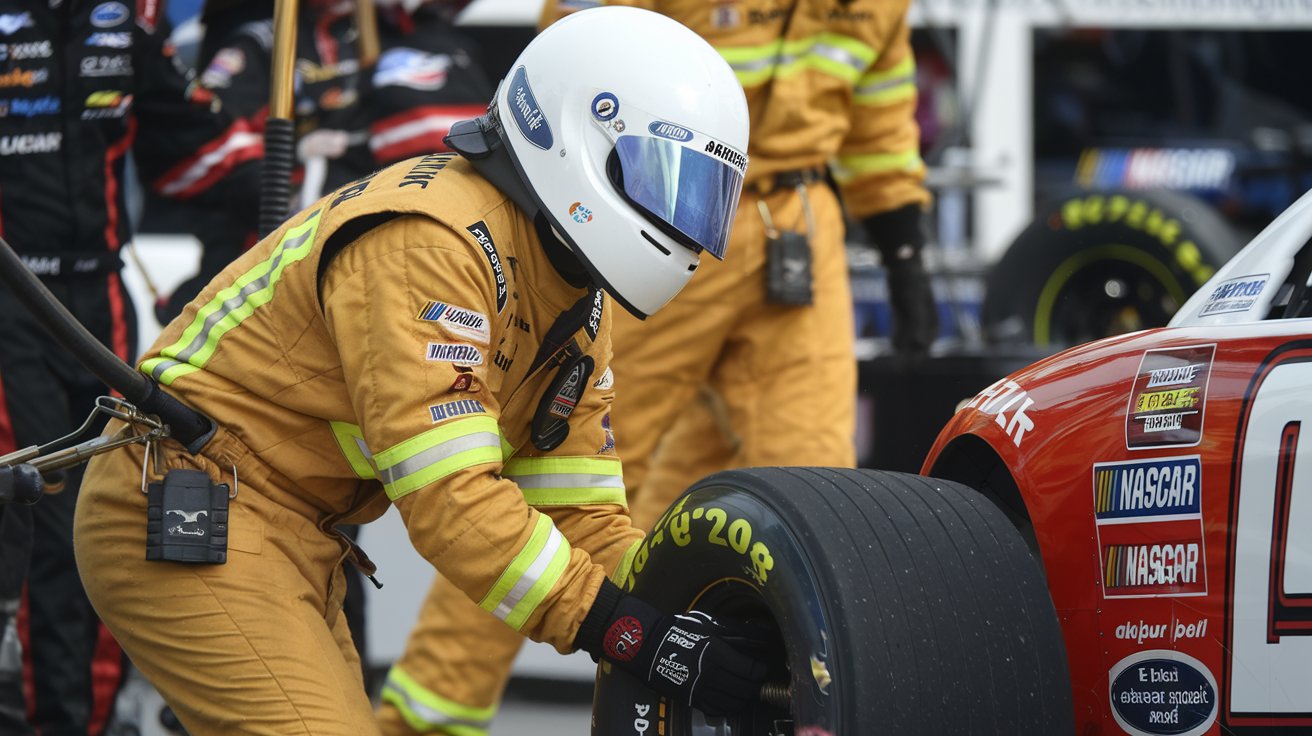
Tire changers represent the highest-paid pit crew position outside of leadership roles, earning between $80,000 and $150,000 annually in 2026. These specialists must remove and replace five lug nuts in under two seconds while maintaining perfect accuracy. Tire carriers, who handle the 70-pound tires during stops, earn slightly less at $65,000 to $120,000 per year. Elite tire changers at championship-contending teams like Hendrick Motorsports and Joe Gibbs Racing command the upper salary ranges due to their proven performance records and consistency under pressure.
Jackman and Fueler Earnings
Jackmen earn between $75,000 and $140,000 annually, reflecting their critical role in controlling pit stop timing and coordination. The jackman signals when the car can leave, making split-second decisions that impact race strategy. Fuelers, who manage the high-pressure fuel delivery system, earn comparable salaries ranging from $70,000 to $135,000. Both positions require extensive training in safety protocols and equipment operation, with experienced professionals at top Cup Series teams receiving premium compensation packages.
Crew Chief and Leadership Salaries
Crew chiefs represent the highest-earning pit crew members, with salaries ranging from $200,000 to over $1 million annually at elite Cup Series teams. These strategic leaders coordinate all pit crew activities, make real-time race decisions, and manage team dynamics. In 2026, top crew chiefs like those working with championship drivers earn $500,000 to $1.2 million when including bonuses and incentive packages. Road crew chiefs and assistant crew chiefs earn between $100,000 and $300,000, depending on team budget and series level.
Base Salary vs Total Compensation Structure
The base salary represents only one component of a NASCAR pit crew member’s total earnings. Most professionals in this field receive a foundational annual salary that provides financial stability between races. However, the complete compensation package includes multiple earning streams that can significantly increase total income throughout the 36-race Cup Series season in 2026.
Understanding this multi-layered approach to pit crew compensation reveals why experienced crew members at winning teams often earn substantially more than their base salaries suggest. Performance-based incentives align crew member interests with team success and driver performance.
Fixed Annual Base Salaries
Base salaries for NASCAR pit crew members typically range from $50,000 to $80,000 for entry-level positions at smaller teams, while experienced crew at top-tier organizations start at $70,000 to $100,000. This guaranteed income covers off-season months and provides stability regardless of race outcomes. In 2026, even developmental series like Xfinity and Truck Series offer base salaries between $35,000 and $60,000 for crew members gaining experience before moving up to Cup Series teams.
Per-Race Fees and Appearance Bonuses
Most pit crew members earn additional per-race fees ranging from $500 to $3,000 per event, depending on their role and team budget. With 36 Cup Series races annually, these fees add $18,000 to $108,000 to total compensation. Top-tier tire changers at championship teams can command $2,500 to $3,000 per race in appearance fees. Some teams structure these payments as weekend bonuses that include practice sessions, qualifying, and race day activities throughout the competitive season.
Performance Bonuses and Winning Incentives
Performance bonuses represent a significant portion of total NASCAR pit crew earnings, often adding 20-40% to annual compensation for members of winning teams. These incentives reward fast pit stops, race victories, playoff appearances, and championship success. In 2026, teams structure bonus programs to motivate exceptional performance during the high-pressure moments that determine race outcomes across venues from Daytona to Phoenix.
The bonus structure varies considerably between teams, with well-funded organizations offering more generous incentive packages. Championship-contending teams typically invest heavily in performance bonuses to maintain crew motivation throughout the grueling 10-month racing season.
Race Win and Top-Five Finish Bonuses
Pit crews typically receive $3,000 to $8,000 per race victory split among team members, with individual shares based on role and seniority. Top-five finishes often trigger smaller bonuses of $500 to $2,000 per crew member. A successful season with multiple wins can add $15,000 to $50,000 in race-specific bonuses to a crew member’s annual earnings. Elite teams competing for championships in 2026 offer the most lucrative win bonuses, creating significant income disparities between top-performing and mid-pack teams.
Championship and Playoff Performance Incentives
Teams reaching the NASCAR Cup Series Championship often distribute substantial bonuses to pit crew members, ranging from $25,000 to $100,000 per person depending on team resources and individual contributions. Playoff advancement bonuses typically range from $5,000 to $15,000 for each round the team advances beyond the initial playoff field. Championship-winning crews in 2026 can expect total bonus packages exceeding $75,000 when combining playoff progression, race wins, and title rewards throughout the season.
How NASCAR Salaries Compare to Other Racing Series
Comparing NASCAR pit crew salaries to other premier racing series provides valuable context for understanding compensation levels across motorsports. Formula 1, IndyCar, and sports car racing all maintain professional pit crews with varying pay structures and earning potential. These comparisons reveal how NASCAR compensation stacks up against international racing standards in 2026.
The differences reflect not only salary levels but also job demands, crew sizes, and the frequency of racing events across different series throughout the calendar year.
Formula 1 Pit Crew Compensation Comparison
Formula 1 pit crew members at top teams like Mercedes and Red Bull Racing earn between $80,000 and $250,000 annually, with specialized roles commanding premium salaries. However, F1 crews are significantly larger, with 20+ members participating in each pit stop compared to NASCAR’s over-the-wall limit of seven. The Mercedes F1 pit crew salary structure includes substantial bonuses for constructor championship points, often adding $50,000 to $150,000 for successful seasons. F1 mechanics who double as pit crew members earn the higher end of this range due to their dual responsibilities.
IndyCar and Sports Car Racing Salaries
IndyCar pit crew members earn between $45,000 and $120,000 annually, slightly lower than NASCAR due to fewer races and smaller team budgets. Top IndyCar teams pay tire changers and refuelers $70,000 to $110,000, while entry-level positions start around $40,000. IMSA sports car racing crews earn $35,000 to $90,000 depending on team prominence and racing class. The shorter race calendars in these series result in lower total compensation despite comparable per-race earning potential for experienced crew members.
Entry-Level Positions and Career Advancement
Breaking into NASCAR pit crew jobs requires dedication, athletic ability, and specialized training that many aspiring professionals underestimate. Entry-level positions typically start at smaller teams or developmental series, where salaries range from $35,000 to $55,000 annually. The path to elite Cup Series teams demands years of experience, consistent performance, and often connections within the racing community across the United States.
Understanding the career progression helps set realistic expectations while identifying the skills and training necessary to advance from developmental roles to premium positions at championship-contending organizations.
NASCAR Pit Crew Training Programs and Requirements
Aspiring pit crew members can attend specialized training programs like the NASCAR Technical Institute or Pit Crew University, where tuition ranges from $15,000 to $35,000 for comprehensive courses. These programs teach proper technique for tire changing, jack operation, and fuel handling while emphasizing the athletic conditioning required for success. Most successful candidates have backgrounds in college athletics or military service, bringing the strength, speed, and teamwork skills essential for pit crew performance in 2026.
Career Path from Xfinity to Cup Series
Most NASCAR pit crew members begin careers in the Xfinity or Truck Series, earning $35,000 to $65,000 while developing skills and building reputations. Exceptional performers typically spend two to four years in developmental series before receiving opportunities with Cup Series teams. The transition often includes a salary increase of 40-70%, with former Xfinity tire changers moving from $55,000 to $95,000+ when joining Cup-level organizations. Top performers can reach elite team positions within five to seven years of entering professional racing.
Additional Benefits and Compensation Factors
Beyond direct salary and bonuses, NASCAR pit crew members receive comprehensive benefits packages that significantly enhance total compensation value. Major team organizations offer health insurance, retirement contributions, travel allowances, and performance equipment that add substantial value to employment packages. In 2026, these benefits can represent an additional 15-25% of total compensation value.
Understanding the complete benefits structure provides a more accurate picture of true earning potential and financial security within professional NASCAR pit crew careers.
Health Insurance and Retirement Benefits
Top-tier NASCAR teams provide comprehensive health insurance coverage valued at $8,000 to $15,000 annually per employee, including dental and vision benefits for crew members and their families. Many organizations offer 401(k) retirement plans with employer matching contributions of 3-6%, adding thousands to long-term financial security. These benefits represent significant value beyond base salary figures, particularly for crew members supporting families across extended racing seasons.
Travel Allowances and Equipment Provisions
Teams cover all travel expenses for the 36-race schedule, including flights, hotels, and meal per diems typically ranging from $75 to $125 daily when away from home base. This arrangement saves crew members $15,000 to $25,000 annually in personal expenses. Teams also provide specialized safety equipment, athletic training facilities, and performance gear valued at $3,000 to $6,000 per year. Some elite organizations offer additional perks including team vehicles, championship rings, and exclusive sponsor access throughout the season.
Lowest and Highest Earning Positions Explained
The salary range within NASCAR pit crews spans from approximately $35,000 for entry-level support positions to over $1 million for elite crew chiefs at championship teams. Understanding this spectrum helps clarify career earning potential and the factors that separate minimum wage positions from premium compensation packages. The disparity reflects experience levels, role responsibility, team budgets, and individual performance records accumulated over racing careers.
Identifying the lowest and highest salary positions reveals the career trajectory possibilities and financial incentives available to dedicated professionals willing to invest in skill development and performance excellence.
Entry-Level and Support Position Salaries
The lowest salary in NASCAR pit crew roles typically belongs to utility crew members and support staff earning $35,000 to $50,000 annually at smaller teams. These positions include equipment handlers, backup crew members, and those training for over-the-wall positions in developmental series. Even at this entry level, positions offer valuable experience and clear advancement pathways. Part-time crew members at regional racing levels may earn $500 to $1,500 per race weekend without guaranteed annual salaries, representing the true bottom of compensation structure.
Premium Positions and Elite Team Compensation
Elite crew chiefs at teams like Hendrick Motorsports represent the highest-paid pit crew positions, earning $500,000 to $1.2 million when including all bonuses and incentives. Championship-winning crew chiefs have secured contracts exceeding $1 million annually. Top tire changers with proven sub-12-second pit stop averages command $140,000 to $180,000 at premier organizations. These positions require years of elite performance, championship experience, and demonstrated ability to perform under maximum pressure during crucial playoff races.
How Much NASCAR Tire Changers Make in 2026
Tire changers represent one of the most critical and highest-paid positions on NASCAR pit crews outside leadership roles. In 2026, experienced tire changers earn between $80,000 and $150,000 annually, with elite performers at top Cup Series teams commanding the upper ranges. The position demands exceptional hand-eye coordination, physical strength to operate impact wrenches under pressure, and the mental fortitude to maintain consistency across 36 races spanning 10 months of competition.
The compensation reflects both the physical demands and the performance impact that tire changers deliver during critical pit stops that often determine race outcomes and championship standings.
Experience-Based Tire Changer Salary Progression
Entry-level tire changers in the Xfinity Series start around $45,000 to $60,000 annually, gaining experience and building speed through repetition and coaching. After two to three years of consistent performance, progression to Cup Series teams brings salaries of $75,000 to $95,000. Veterans with five-plus years of elite Cup Series experience earning reputations for sub-2-second lug nut changes command $120,000 to $150,000 at championship-contending organizations in 2026.
Performance Metrics That Increase Tire Changer Pay
Teams track tire changer performance through detailed metrics including average lug nut removal time, installation consistency, and error rates throughout seasons. Tire changers maintaining sub-12-second four-tire stops consistently qualify for premium salary tiers and performance bonuses. Error-free seasons without loose wheels or penalties can trigger bonuses of $10,000 to $25,000 at top teams. Championship teams in 2026 pay significant premiums for tire changers who have demonstrated playoff reliability and clutch performance during high-pressure elimination races.
NASCAR Mechanics vs Pit Crew Salary Differences
Many people confuse NASCAR mechanics with pit crew members, but these represent distinct roles with different compensation structures. Mechanics work in team shops preparing cars throughout the week, earning $45,000 to $110,000 annually depending on specialization and experience. While some mechanics cross-train as pit crew members, the majority focus exclusively on vehicle preparation, engine building, fabrication, or chassis setup rather than race-day over-the-wall responsibilities.
Understanding the distinction between mechanic and pit crew roles clarifies the different skill sets, work environments, and earning potential between shop-based technical work and race-day athletic performance.
Shop Mechanic Compensation Structure
NASCAR shop mechanics earn $45,000 to $85,000 annually for general mechanical work, while specialized engine builders and chassis engineers command $75,000 to $150,000 at top organizations. These positions typically work standard Monday-Friday schedules in team facilities, avoiding the extensive travel required of pit crew members. Lead mechanics and technical directors earn $100,000 to $200,000, reflecting their expertise in vehicle setup and performance optimization across different track types throughout the 2026 season.
Dual-Role Positions and Compensation
Some NASCAR professionals serve dual roles as both mechanics and pit crew members, particularly at smaller teams with limited budgets. These individuals typically earn combined salaries of $65,000 to $120,000, reflecting both their shop contributions and race-day responsibilities. The dual-role arrangement is less common at elite Cup Series teams, where specialization produces superior performance in both areas. In 2026, most championship-contending organizations maintain separate mechanic and pit crew staffs to maximize expertise and performance in each critical area.
Related video about how much do nascar pit crews make
This video complements the article information with a practical visual demonstration.
Frequently Asked Questions
What is the highest paying pit crew job in NASCAR?
The crew chief position represents the highest paying pit crew job, with elite crew chiefs at top Cup Series teams earning between $500,000 and $1.2 million annually when including base salary, performance bonuses, and championship incentives. Outside leadership roles, tire changers command the highest compensation among over-the-wall crew members, earning $80,000 to $150,000 per year at premier organizations in 2026.
Do NASCAR pit crews get a bonus for winning?
Yes, NASCAR pit crews receive substantial bonuses for race victories, typically ranging from $3,000 to $8,000 per win split among crew members based on role and seniority. Teams also offer bonuses for top-five finishes, playoff advancement, and championship success. A successful season with multiple wins can add $15,000 to $50,000 in performance bonuses to a crew member’s total annual compensation beyond base salary.
How much do NASCAR tire changers make per year?
NASCAR tire changers earn between $80,000 and $150,000 annually in 2026, depending on experience level, team budget, and performance consistency. Entry-level tire changers at developmental series teams start around $45,000 to $60,000, while elite performers at championship-contending Cup Series organizations command the upper salary ranges. Total compensation includes base salary, per-race fees, and performance bonuses tied to pit stop speed and accuracy.
What is the lowest salary in NASCAR for pit crew members?
Entry-level pit crew support positions and utility crew members at smaller teams represent the lowest salary tier, earning approximately $35,000 to $50,000 annually. These roles include equipment handlers, backup crew members, and those training for over-the-wall positions in developmental racing series. Part-time regional crew members may earn only $500 to $1,500 per race weekend without guaranteed annual salaries.
How to become a NASCAR pit crew member in 2026?
Becoming a NASCAR pit crew member requires attending specialized training programs like NASCAR Technical Institute or Pit Crew University, which cost $15,000 to $35,000 and teach proper techniques and athletic conditioning. Most successful candidates have backgrounds in college athletics or military service. The typical career path starts in Xfinity or Truck Series positions earning $35,000 to $65,000, with exceptional performers advancing to Cup Series teams after two to four years of proven performance.
How much do NASCAR mechanics make compared to pit crew?
NASCAR shop mechanics earn $45,000 to $85,000 annually for general mechanical work, while specialized roles like engine builders command $75,000 to $150,000. This differs from over-the-wall pit crew members who earn $50,000 to $200,000 depending on position. Lead mechanics and technical directors earn $100,000 to $200,000, working primarily in team facilities on weekdays rather than traveling to all 36 races like pit crew members do throughout the season.
| Position | Salary Range (2026) | Key Earning Factors |
|---|---|---|
| Crew Chief | $200,000 – $1,200,000 | Team performance, championships, experience |
| Tire Changer | $80,000 – $150,000 | Speed consistency, error-free performance |
| Jackman | $75,000 – $140,000 | Timing precision, coordination skills |
| Fueler | $70,000 – $135,000 | Safety record, fuel delivery speed |
| Tire Carrier | $65,000 – $120,000 | Physical strength, positioning accuracy |
| Entry-Level Support | $35,000 – $55,000 | Training completion, team advancement |