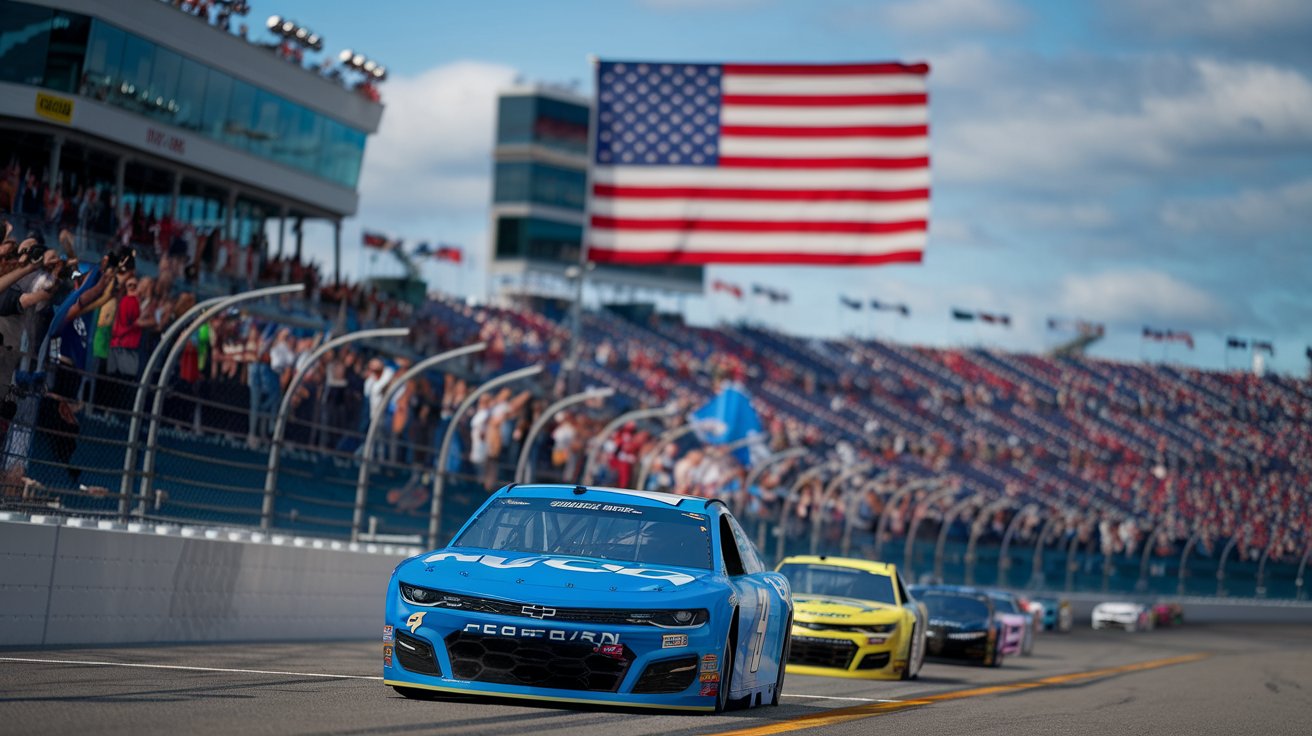
NASCAR drivers earn between $200,000 and $20 million annually in 2026, with the average Cup Series driver making approximately $5.2 million per year. Top-tier drivers like Kyle Busch and Denny Hamlin command salaries exceeding $15 million, while rookie drivers and those in lower series typically earn $200,000 to $1 million. Total compensation includes base salary, race winnings, sponsorship deals, and performance bonuses, creating significant income variation across the sport.
Average NASCAR Driver Salary in 2026
The average NASCAR Cup Series driver salary stands at approximately $5.2 million in 2026, representing a 10% increase from 2024 figures. This average encompasses drivers across all performance levels, from championship contenders to mid-pack competitors. The salary structure has evolved significantly with NASCAR’s new revenue-sharing model implemented in 2025, which allocates a larger portion of television rights and sponsorship revenue directly to teams and drivers. This change has positively impacted compensation across all levels of competition.
Mid-tier NASCAR drivers typically earn between $2 million and $7 million annually, including base salary and performance incentives. These drivers compete regularly but may not consistently finish in top-five positions. Their compensation packages often include bonuses for race wins, playoff appearances, and sponsor activation requirements. The median salary for Cup Series drivers sits at approximately $3.8 million, indicating that a small number of elite drivers significantly raise the average compensation figure.
Top NASCAR Driver Earnings Breakdown
Elite NASCAR drivers represent the highest-paid athletes in American motorsports, with total compensation packages reaching $20 million or more annually. These earnings combine multiple revenue streams that extend far beyond race day winnings. Championship-caliber drivers leverage their marketability and performance to secure lucrative contracts that reflect their value to teams, sponsors, and the sport’s overall appeal.
Kyle Busch Career Earnings
Kyle Busch remains the highest-paid NASCAR driver with estimated 2026 earnings of $18.5 million. His compensation includes a $12 million base salary from Richard Childress Racing, approximately $3 million in race winnings and bonuses, and an additional $3.5 million from personal sponsorship agreements with Mars Wrigley and other brands. Busch’s career earnings exceed $180 million, making him one of the wealthiest drivers in NASCAR history. His contract includes performance escalators that increase compensation based on playoff advancement and championship contention.
Denny Hamlin and Top Earners
Denny Hamlin earns approximately $17.2 million annually as both a driver for Joe Gibbs Racing and co-owner of 23XI Racing. His dual role provides unique income opportunities, including team ownership profits from competition and sponsorship revenue. Other top earners include Chase Elliott at $16.8 million, Martin Truex Jr. at $15.5 million, and Kyle Larson at $14.9 million. These drivers command premium salaries due to consistent championship contention, strong fan bases, and proven marketability that attracts major corporate sponsors willing to invest heavily in NASCAR partnerships.
How Much NASCAR Drivers Make Per Race
NASCAR drivers earn between $30,000 and $500,000 per race depending on finishing position, team contract structure, and individual performance bonuses. The Cup Series purse distribution for 2026 typically allocates $1.2 million to $2.5 million per race, distributed among all competitors based on finishing order, qualifying performance, and stage points. Race winners receive approximately 20-25% of the total purse, translating to $300,000 to $600,000 for first place before team splits.
The per-race earnings structure includes multiple components beyond base prize money. Drivers receive compensation for qualifying performance, stage wins, and laps led. A driver leading the most laps earns an additional bonus, while stage winners collect $10,000 to $20,000 per stage. Last-place finishers still receive minimum payouts of approximately $30,000 to $50,000 per race, ensuring all participants benefit from competing. These earnings are typically split with team owners, with drivers generally retaining 30-50% of race winnings depending on contract negotiations.
Daytona 500 Prize Money and Special Event Earnings
The Daytona 500 winner earns approximately $2.5 million in 2026, making it the highest-paying single race in NASCAR. The total Daytona 500 purse exceeds $16 million, distributed among all 40 competitors based on finishing position and performance metrics. This iconic season-opening race offers substantially higher payouts than regular-season events, with even last-place finishers receiving around $250,000. The winner’s share includes the base prize, performance bonuses, and additional incentives from NASCAR and race sponsors.
Beyond the Daytona 500, special event bonuses significantly increase driver earnings throughout the season. The Coca-Cola 600 at Charlotte Motor Speedway offers a purse exceeding $10 million, while playoff races feature elevated prize money ranging from $1.5 million to $2 million for winners. The Championship Race at Phoenix Raceway provides the title winner with approximately $5 million in bonuses and prizes. These marquee events allow drivers to earn substantially more than their per-race averages, with top performers potentially adding $3 million to $5 million annually through special event success.
NASCAR vs F1 vs IndyCar Driver Salaries Compared
Formula 1 drivers earn significantly more than NASCAR competitors, with an average F1 salary reaching $18.3 million in 2026 compared to NASCAR’s $5.2 million average. Top F1 drivers like Max Verstappen command contracts exceeding $55 million annually, while Lewis Hamilton earns approximately $45 million. The disparity reflects F1’s global reach, larger television audiences, and higher team budgets that exceed $400 million annually for top constructors. F1’s revenue structure and international sponsor base provide substantially larger compensation pools than NASCAR’s primarily North American market.
IndyCar drivers earn considerably less, with series averages around $850,000 annually in 2026. Only top IndyCar competitors like six-time champion Scott Dixon earn $3 million to $4 million per year, while many series regulars compete for $500,000 to $1.5 million annually. The Indianapolis 500 winner receives approximately $3.1 million, representing IndyCar’s highest single-race payout. NASCAR salaries fall between these extremes, offering middle-ground compensation that reflects the sport’s strong domestic popularity, dedicated fan base, and substantial television contracts that generate approximately $900 million annually in media rights revenue distributed to teams and competitors.
Rookie and Entry-Level NASCAR Driver Salaries
Rookie NASCAR Cup Series drivers earn between $200,000 and $1.5 million in their first full-time season, depending on team resources and sponsorship support. Entry-level competitors typically receive lower base salaries but gain opportunities to prove their value and negotiate improved contracts for subsequent seasons. Rookie compensation includes base pay, race winnings, and performance bonuses tied to Rookie of the Year standings. Teams invest in young talent with the expectation that early career development will yield long-term returns as drivers mature and improve competitively.
Drivers competing in Xfinity Series and Truck Series earn substantially less than Cup Series counterparts, with salaries ranging from $100,000 to $500,000 annually. These developmental series serve as proving grounds for aspiring Cup Series drivers, offering exposure and experience but limited compensation. Xfinity Series champions typically earn $400,000 to $750,000, while Truck Series competitors average $150,000 to $400,000. Many lower-series drivers supplement racing income through personal businesses, appearance fees, and merchandise sales while working toward Cup Series opportunities that provide significantly higher earning potential.
Sponsorship Income and Endorsement Deals
Sponsorship and endorsement income often exceeds base salaries for popular NASCAR drivers, adding $2 million to $10 million annually to top earner compensation packages. Drivers with strong fan engagement and social media presence attract personal sponsors separate from team partnerships. These individual deals include product endorsements, appearance fees, and licensing agreements for merchandise and memorabilia. Chase Elliott, NASCAR’s most popular driver, reportedly earns over $5 million annually from personal sponsorships with brands including NAPA, Mountain Dew, and Chevrolet.
The sponsorship landscape evolved significantly with NASCAR’s charter system and increased revenue sharing implemented in recent years. Drivers now participate more actively in sponsor activation, attending corporate events, filming commercials, and engaging on social media platforms to provide value beyond on-track performance. Mid-tier drivers typically earn $500,000 to $2 million from personal sponsorships, while even lower-performing competitors can generate $200,000 to $500,000 through local and regional partnerships. This additional income stream proves crucial for drivers with smaller team salaries, effectively doubling or tripling total compensation beyond race winnings and base pay.
How NASCAR Prize Money Distribution Works
NASCAR distributes prize money through a complex formula that rewards performance across multiple metrics including finishing position, qualifying speed, laps led, and stage results. The total race purse combines television revenue, track contributions, and sponsor investments, typically totaling $1.2 million to $2.5 million per regular-season Cup Series event. This amount increases for playoff races and crown jewel events. The sanctioning body takes approximately 10% for administrative costs, while the remaining 90% distributes to teams and drivers based on performance and charter agreements.
The charter system introduced in 2016 guarantees 36 teams a share of the prize money and starting position in each race, providing financial stability and predictable revenue streams. Charter teams receive larger purse percentages than open entries, creating a two-tier system that rewards long-term investment in the sport. Individual race winnings are split between teams and drivers according to contract terms, with typical arrangements seeing drivers retain 35-50% of prize money. Stage racing, introduced in 2017 and refined through 2026, adds additional earning opportunities with $60,000 to $100,000 distributed per race through stage winner bonuses that supplement traditional finishing position payouts.
Additional Income Sources for NASCAR Drivers
NASCAR drivers generate substantial income beyond salaries and prize money through merchandise sales, appearance fees, and licensing agreements. Popular drivers earn royalties from diecast car sales, apparel, and collectibles sold at tracks and online retailers. Chase Elliott’s merchandise reportedly generates over $3 million annually in royalty payments, while other top drivers earn $500,000 to $2 million from product licensing. These revenue streams provide passive income that continues throughout retirement, as collectors maintain interest in legendary driver memorabilia.
Appearance fees and speaking engagements add another revenue dimension, with top drivers commanding $25,000 to $100,000 per corporate appearance or speaking event. Mid-tier drivers typically charge $10,000 to $30,000 for similar engagements. Many drivers also invest in business ventures including car dealerships, restaurants, and real estate, leveraging their fame and financial resources to build wealth beyond racing careers. Driver development programs, racing schools, and simulator experiences provide additional income, with some retired champions earning $500,000 to $2 million annually through these educational ventures while maintaining connections to the sport.
Path to Becoming a Professional NASCAR Driver
Becoming a NASCAR driver requires significant financial investment and exceptional racing talent developed through years of competitive experience. Most professional drivers begin careers in karting between ages 5-10, progressing through late models, regional touring series, and eventually NASCAR’s developmental circuits. The estimated cost to reach Cup Series competition ranges from $500,000 to $3 million, covering equipment, travel, coaching, and entry fees. Drivers typically need strong sponsor support or family funding to advance through racing ranks before earning substantial professional salaries.
The traditional pathway includes NASCAR Xfinity Series and Truck Series competition where aspiring drivers demonstrate skills worthy of Cup Series investment. Teams scout talent at local tracks and national events, seeking drivers with winning records, sponsorship support, and marketable personalities. The NASCAR Drive for Diversity program provides opportunities for underrepresented groups to access driver development resources and team connections. Modern drivers also benefit from simulator technology and data analysis capabilities that accelerate learning curves compared to previous generations, though on-track experience remains irreplaceable for success at NASCAR’s highest level.
Related video about how much do nascar drivers make
This video complements the article information with a practical visual demonstration.
Everything you need to know about how much do nascar drivers make
How much does a NASCAR driver make per race in 2026?
NASCAR drivers earn between $30,000 and $500,000 per race depending on finishing position, team contract, and performance bonuses. Race winners typically collect $300,000 to $600,000 before team splits, while last-place finishers receive minimum payouts around $30,000 to $50,000. Drivers also earn additional money through stage wins, lap leader bonuses, and qualifying performance incentives. The total race purse ranges from $1.2 million to $2.5 million for regular-season events, distributed among all competitors based on the performance formula and charter status.
Who is the highest paid NASCAR driver ever?
Kyle Busch is considered the highest-paid NASCAR driver with career earnings exceeding $180 million through 2026. His annual compensation reaches approximately $18.5 million, including base salary, race winnings, and sponsorship income. Dale Earnhardt Jr. also ranks among all-time top earners with career income surpassing $400 million when including endorsements, merchandise royalties, and media ventures. Jeff Gordon earned over $150 million during his driving career and continues generating substantial income through broadcasting and business investments, solidifying his position among NASCAR’s wealthiest competitors.
How much do Daytona 500 drivers get paid?
The Daytona 500 winner earns approximately $2.5 million in 2026, making it NASCAR’s highest-paying single event. The total race purse exceeds $16 million, distributed among all 40 competitors. Second place typically receives $1.2 million to $1.5 million, while third through fifth places earn $700,000 to $1 million each. Even last-place finishers collect around $250,000, significantly higher than regular-season race minimums. These figures include base prize money, performance bonuses, and special awards, though actual driver take-home depends on team contract splits.
Who makes more money, F1 or NASCAR drivers?
Formula 1 drivers earn significantly more than NASCAR competitors, with F1 salaries averaging $18.3 million compared to NASCAR’s $5.2 million average in 2026. Top F1 drivers like Max Verstappen earn over $55 million annually, while NASCAR’s highest-paid drivers reach approximately $20 million. The disparity reflects F1’s global television reach, larger team budgets exceeding $400 million annually, and international sponsor base. However, NASCAR provides more competitive earning opportunities across the field, with mid-tier drivers often earning more than F1 backmarkers who may compete with minimal compensation.
Do NASCAR drivers keep all their prize money?
NASCAR drivers typically retain 35-50% of race prize money, splitting winnings with team owners according to contract terms. The exact percentage depends on individual negotiations, team resources, and driver experience level. Elite drivers with leverage may negotiate higher percentages, while rookies and less-established competitors accept smaller shares. Base salaries are separate from prize money splits and represent guaranteed compensation regardless of race performance. Sponsorship income and merchandise royalties generally belong entirely to drivers, providing income streams independent of team partnerships and race results.
What is the lowest paid NASCAR driver salary?
The lowest-paid full-time Cup Series drivers earn approximately $200,000 to $400,000 annually in base salary, often supplemented by performance bonuses and personal sponsorships. Open team competitors without charter guarantees face the most financial uncertainty, sometimes racing for minimal guaranteed compensation. Xfinity Series and Truck Series drivers at entry levels may earn $100,000 to $200,000, with some developmental drivers competing primarily for experience rather than substantial pay. These lower earnings motivate drivers to advance quickly through NASCAR ranks toward Cup Series opportunities where compensation increases significantly with consistent performance and sponsor appeal.
| Driver Category | Annual Salary Range | Key Earning Factors |
|---|---|---|
| Elite Cup Series Drivers | $15M – $20M+ | High base salary, major sponsorships, consistent wins, merchandise royalties |
| Mid-Tier Cup Series Drivers | $2M – $7M | Moderate base salary, team performance bonuses, regional sponsors |
| Rookie Cup Series Drivers | $200K – $1.5M | Lower base pay, development potential, limited endorsements |
| Xfinity Series Drivers | $100K – $750K | Developmental series, smaller purses, limited national sponsors |
| Truck Series Drivers | $100K – $400K | Entry-level series, minimal guarantees, proving ground for advancement |