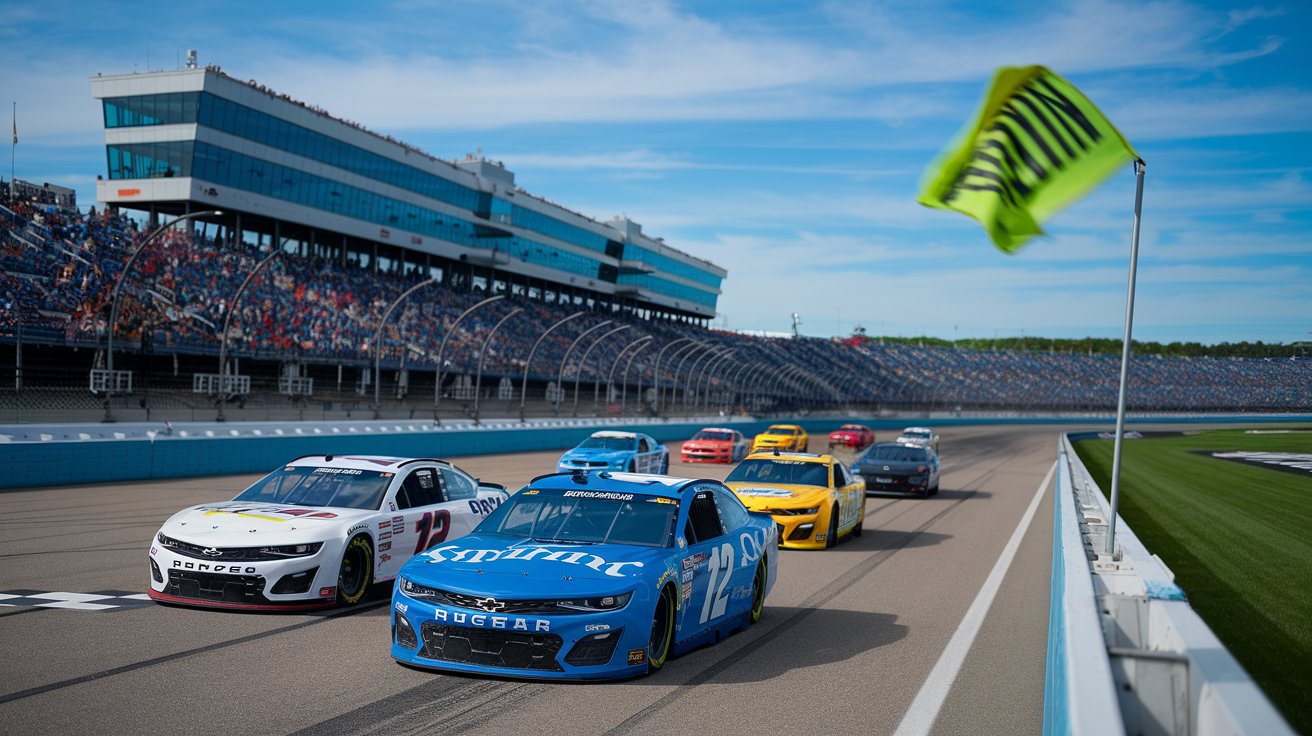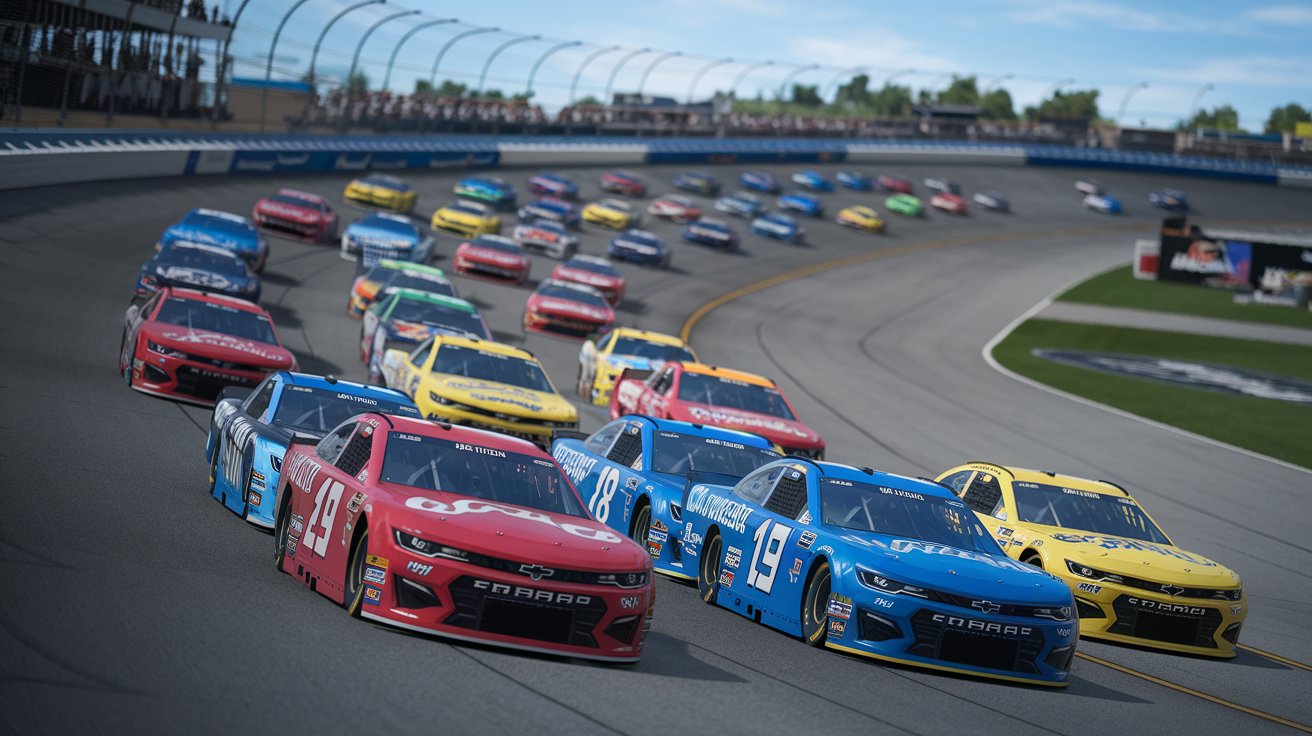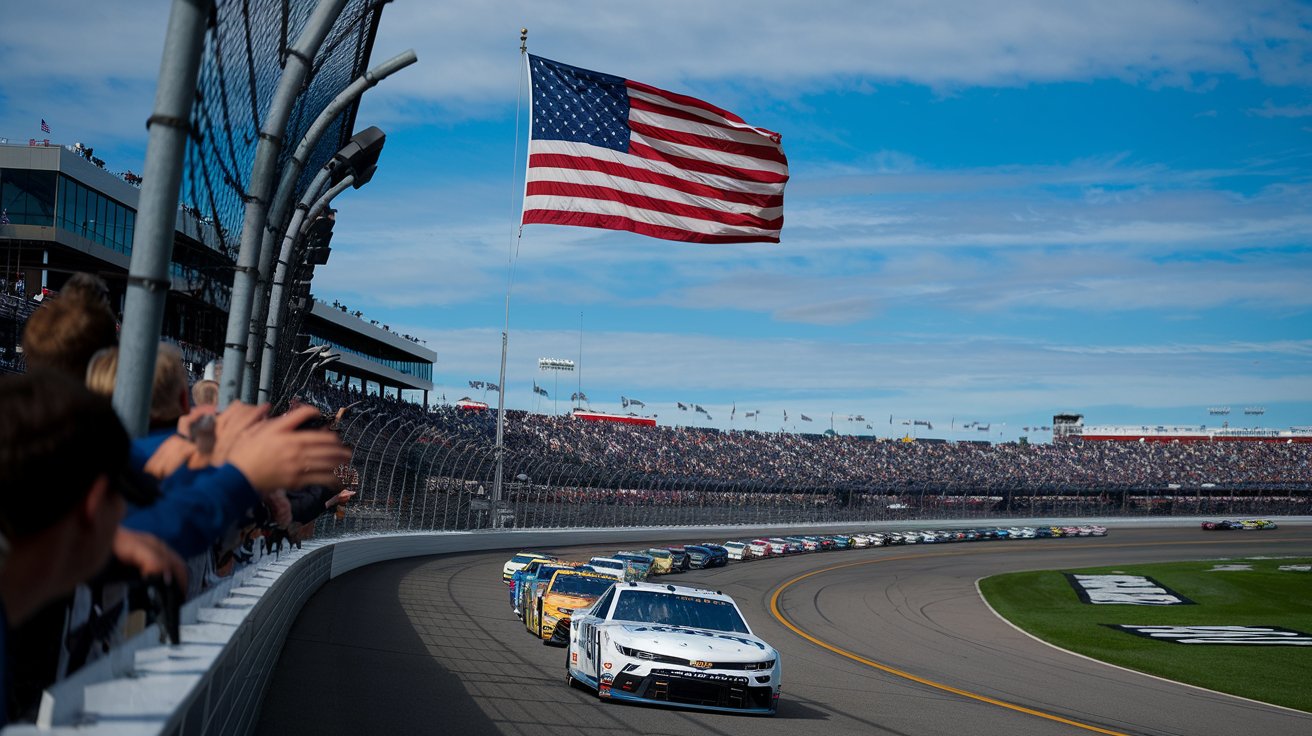
Understanding how long a NASCAR race lasts helps fans plan their race day experience effectively. Most NASCAR Cup Series races run between 2.5 to 4 hours, though several factors can extend or shorten this timeframe. Race duration depends on track length, number of laps, weather conditions, and potential overtime finishes. Whether you’re attending in person or watching on TV, knowing the expected duration ensures you don’t miss the exciting finish.
Average Duration of NASCAR Races in 2026
The typical NASCAR Cup Series race duration ranges from 2 hours and 30 minutes to 4 hours, depending on various track and race-specific factors. Short track races at venues like Bristol Motor Speedway or Martinsville Speedway typically complete in approximately 3 to 3.5 hours. Intermediate tracks such as Charlotte Motor Speedway and Kansas Speedway usually finish within 3 to 4 hours. Superspeedways like Daytona International Speedway and Talladega Superspeedway can extend beyond 3.5 hours due to their longer distances and potential for multiple caution periods.
Road course races at circuits like Sonoma Raceway and Circuit of the Americas present unique timing considerations, generally completing within 3 to 3.5 hours. The 2026 NASCAR schedule features 36 points-paying races across the Cup Series, each with distinct duration characteristics. Television broadcasts typically allocate 3.5 to 4-hour windows to accommodate pre-race coverage, the race itself, and post-race ceremonies. Understanding these timeframes helps fans across the United States plan their viewing schedules appropriately.
How Many Hours Does a NASCAR Race Usually Take
Standard NASCAR races typically consume 3 to 3.5 hours of actual racing time under normal conditions. This calculation includes green flag racing, caution periods, stage breaks, and pit stop sequences. The NASCAR Cup Series implemented stage racing in 2017, which divides races into three segments with brief cautions between stages. These stage breaks add approximately 5-10 minutes to total race duration but provide natural breaks for fans and strategic opportunities for teams.
Race telecasts usually start 30 minutes before the scheduled green flag time, featuring driver introductions, pre-race ceremonies, and command to start engines. The actual green flag waves approximately 15-20 minutes after the broadcast begins. Post-race activities including victory lane celebrations and interviews typically consume another 15-30 minutes of airtime. When planning to watch a NASCAR race in 2026, allocating a 4-hour block ensures you won’t miss critical moments regardless of unexpected delays.
Typical Distance Covered in Miles and Kilometers
NASCAR Cup Series races cover distances ranging from 200 miles to 600 miles, with the majority falling between 300 and 500 miles. Short track events like Bristol typically run 266.5 miles (400 laps around the 0.533-mile oval). Intermediate tracks host races between 400 and 500 miles, such as the Charlotte Motor Speedway’s 400-mile events. The Coca-Cola 600 at Charlotte stands as NASCAR’s longest race at 600 miles (965.6 kilometers), traditionally held on Memorial Day weekend.
Superspeedway races include the iconic Daytona 500, which covers 500 miles (804.6 kilometers) in 200 laps around the 2.5-mile track. Talladega Superspeedway hosts races covering 500 miles over 188 laps on its 2.66-mile layout. Road course races measure between 200 and 400 miles, with specific lap counts varying by circuit length. The distance determines base race duration, with longer races naturally requiring more time to complete under ideal conditions.
What Determines How Long a NASCAR Race Lasts
Multiple interconnected factors influence the total duration of NASCAR races in 2026. The fundamental determinant is scheduled race distance, which NASCAR establishes based on track characteristics and historical precedent. Track type significantly impacts race pace, as short tracks produce slower average speeds while superspeedways enable faster completion times. The number and duration of caution periods dramatically affect total race time, with some races featuring minimal yellows while others experience numerous lengthy cautions.
Stage racing format adds structured breaks to modern NASCAR competition, with two stage breaks per race consuming approximately 5-7 minutes each. Pit stop strategies and the number of green flag pit cycles influence overall duration. Weather plays a crucial role, particularly afternoon summer races susceptible to thunderstorms. Red flag situations halt racing entirely, potentially adding hours to the scheduled duration. The competitive nature of racing also matters, as close racing and frequent position battles can slow overall pace compared to races dominated by a single competitor.
Track Length and Layout Impact on Duration
Track configuration serves as the primary factor determining base race duration expectations. Short tracks measuring less than one mile in length typically feature 400 to 500 laps, with slower speeds producing longer race times despite shorter total distances. Bristol Motor Speedway’s 0.533-mile concrete oval requires 500 laps to complete 266.5 miles, usually taking 3 to 3.5 hours. Martinsville Speedway, NASCAR’s shortest track at 0.526 miles, runs 500 laps covering only 263 miles but consistently exceeds 3 hours of racing time.
Intermediate tracks spanning 1.5 to 2 miles comprise the majority of NASCAR’s schedule. These facilities like Atlanta Motor Speedway, Kansas Speedway, and Texas Motor Speedway host races between 400 and 500 miles, typically completing within 3 to 3.5 hours under normal conditions. Superspeedways Daytona and Talladega feature the highest speeds but also the most unpredictable racing, with pack racing dynamics frequently producing cautions. Road courses introduce elevation changes, varied corner types, and different racing dynamics that typically produce steady 3 to 3.5 hour durations regardless of lap count.
Number of Laps and Race Format Structure
Lap counts vary dramatically across NASCAR venues, ranging from 188 laps at Talladega to 500 laps at short tracks. The three-stage format divides races into segments that award points to top-ten finishers in stages one and two. Stage lengths are predetermined, with stages one and two typically comprising 25-30% of total laps each, while the final stage contains the remaining 40-50%. Stage breaks create brief caution periods where teams can service cars, drivers can regroup, and television broadcasts can air commercials.
The lap structure directly correlates with expected duration. A 267-lap race at a 1.5-mile track covers approximately 400 miles and typically requires 2.5 to 3 hours of green flag racing. Adding stage breaks, routine cautions, and pit stop sequences extends total time to 3 to 3.5 hours. The 2026 NASCAR schedule maintains traditional lap counts for most venues while occasionally adjusting distances for television scheduling requirements. Understanding the relationship between laps, distance, and track type provides accurate expectations for how long NASCAR races will last throughout the season.
Factors That Can Extend NASCAR Race Duration
Numerous variables can significantly extend NASCAR race duration beyond scheduled expectations. Caution flags represent the primary time-adding element, with each yellow flag consuming 3 to 8 minutes depending on cleanup requirements and pace lap counts. Races experiencing 10 or more cautions can extend 30 to 60 minutes beyond typical duration. Major incidents requiring extensive track cleanup or barrier repairs produce longer caution periods, occasionally lasting 15 to 30 minutes. The 2026 NASCAR season has seen enhanced safety protocols that sometimes extend cleanup time but ensure proper track conditions.
Red flag stoppages completely halt racing due to weather, darkness, or major incidents requiring significant repairs. Rain delays particularly affect afternoon races during summer months across the United States, with some delays lasting hours until track drying operations complete. NASCAR’s Air Titan track drying system reduces drying time but still requires approximately 30 minutes for oval tracks and longer for road courses. Overtime rules guarantee races finish under green flag conditions, potentially adding multiple extra laps beyond the scheduled distance when late-race cautions occur.
Weather Delays and Race Suspensions
Weather significantly impacts NASCAR race scheduling and duration across the United States. Lightning within an 8-mile radius triggers automatic race suspensions, with NASCAR requiring 30 minutes without lightning before resuming operations. Rain immediately halts racing on oval tracks, though NASCAR has successfully raced in wet conditions on select road courses since introducing rain tires. Summer afternoon races in the Southeast face the highest postponement risk, with Florida’s Daytona track particularly susceptible to daily thunderstorms.
Track drying operations have improved dramatically with Air Titan technology, reducing drying time from 2-3 hours to approximately 30-90 minutes depending on rainfall amount. Multiple weather cells can extend delays considerably, with some races experiencing cumulative delays exceeding 3 hours. If weather prevents completion on the scheduled day, NASCAR postpones races to the following day when possible. The 2026 schedule considers regional weather patterns, though unpredictable conditions remain an inherent challenge. Night races face fewer weather delays but occasionally encounter fog conditions requiring red flags.
Overtime Finishes and Extended Race Distance
NASCAR’s overtime rules ensure races conclude under competitive green flag conditions, potentially extending race duration considerably. When caution flags wave with fewer than designated laps remaining, NASCAR invokes overtime procedures featuring unlimited green-white-checkered attempts. Each overtime attempt adds a minimum of 2 laps, though cautions during overtime trigger additional attempts. Some races have experienced 5 or more overtime attempts, adding 15-30 minutes to the scheduled duration.
The overtime line, located approximately halfway through the final lap, determines whether racing must continue if caution occurs. Leaders crossing the overtime line on the final lap complete the race regardless of subsequent cautions. Drivers have developed aggressive overtime strategies, understanding these final laps represent their last opportunity for victory. Superspeedway races particularly experience dramatic overtimes due to pack racing dynamics. The 2026 season has witnessed multiple races extending beyond scheduled distance, reinforcing why television broadcasts allocate cushion time for potential overtimes.
How Long Is a NASCAR Race at Specific Major Tracks
Different NASCAR venues feature distinct race duration characteristics based on track configuration and scheduled distance. Understanding track-specific timing helps fans plan attendance or viewing for particular events. The Daytona 500, NASCAR’s premier event, typically lasts 3 to 3.5 hours covering 200 laps and 500 miles, though weather and cautions can extend duration significantly. The 2026 Daytona 500 followed traditional patterns, completing in approximately 3 hours and 25 minutes including stage breaks and routine cautions.
Talladega Superspeedway hosts the sport’s most unpredictable races, with frequent multi-car incidents and pack racing producing numerous cautions. Races at Talladega typically extend beyond 3.5 hours despite covering only 188 laps over 500 miles. The plate racing format creates tight packs and aggressive moves that inevitably produce cautions. Las Vegas Motor Speedway’s 1.5-mile intermediate oval hosts 267-lap races covering approximately 400 miles, usually completing within 3 to 3.25 hours. Michigan International Speedway’s 2-mile oval runs 200-lap races totaling 400 miles, typically finishing in 2.75 to 3.25 hours under normal conditions.
Daytona 500 Race Length and Duration
The Daytona 500 stands as NASCAR’s most prestigious event, covering 500 miles over 200 laps around the 2.5-mile superspeedway. This iconic race typically requires 3 to 3.5 hours to complete, with the 2026 edition finishing in approximately 3 hours and 28 minutes. The race’s three stages divide into segments of 65, 65, and 70 laps, with stage breaks adding roughly 10-12 minutes to total duration. Daytona’s high-speed pack racing frequently produces cautions, with most 500s featuring 8 to 12 yellow flags.
Weather represents a significant wildcard for the February event, with the 2026 race starting under clear skies but facing typical Florida afternoon conditions. The television broadcast typically spans 4 hours, accommodating extensive pre-race ceremonies, driver introductions, and post-race celebrations. Daytona’s unique qualifying format and guaranteed starting positions for chartered teams create storylines that extend broadcast coverage. Historical Daytona 500s have ranged from 2 hours 52 minutes to over 6 hours when accounting for weather delays, making this race one of NASCAR’s most time-variable events.
Talladega Superspeedway Race Duration
Talladega Superspeedway, NASCAR’s longest track at 2.66 miles, hosts races covering 500 miles over 188 laps. These events consistently rank among the longest-duration races despite fewer laps, typically extending 3.5 to 4 hours. The 2026 spring Talladega race lasted 3 hours and 47 minutes, featuring 11 caution periods and two overtime attempts. Plate racing’s pack dynamics create inevitable multi-car incidents, with most Talladega races experiencing at least 8 to 12 cautions.
Talladega’s wide racing surface enables three and four-wide racing throughout the pack, producing spectacular but caution-prone competition. Big crashes often occur in bunches, with one incident triggering chain reactions. NASCAR’s safety improvements have enhanced driver protection but also increased cleanup time for major incidents. The track’s Alabama location faces afternoon thunderstorm risks during spring and fall race dates. Talladega consistently delivers the sport’s most unpredictable finishes, with lead changes on the final lap common, often extending races through multiple overtime attempts.
Las Vegas Motor Speedway Race Time
Las Vegas Motor Speedway’s 1.5-mile oval hosts races covering approximately 400 miles over 267 laps. The Las Vegas race typically completes within 3 to 3.25 hours under normal racing conditions. The 2026 Las Vegas event finished in 3 hours and 18 minutes, featuring seven caution periods and standard stage breaks. This intermediate track produces competitive racing with multiple grooves, allowing for passing opportunities that maintain race flow without excessive cautions.
The desert venue’s spring race date typically offers excellent weather conditions, minimizing delay risks. Las Vegas’s wider corners compared to some intermediates encourage side-by-side racing throughout the field, creating competitive action without the excessive crashes seen at superspeedways. The facility’s location makes it accessible for West Coast fans and those traveling from across the United States. Race duration consistency makes Las Vegas an excellent event for fans planning full-day experiences, including pre-race activities and post-race entertainment on the Las Vegas Strip.
Michigan International Speedway Duration
Michigan International Speedway’s 2-mile D-shaped oval hosts races covering 400 miles over 200 laps. Races at Michigan typically complete within 2.75 to 3.25 hours, benefiting from higher speeds and longer straightaways that enable quick lap times. The 2026 Michigan race finished in approximately 3 hours and 5 minutes, featuring relatively few cautions due to the track’s wide racing surface and multiple competitive grooves.
Michigan’s configuration produces some of NASCAR’s highest sustained speeds outside superspeedways, with cars averaging over 180 mph during green flag runs. The faster pace reduces overall race duration compared to tighter intermediate tracks. Michigan’s August race date faces moderate weather delay risk, though the Irish Hills region generally offers stable summer conditions. The track’s massive frontstretch seating and excellent sightlines make it popular among fans who appreciate the speed and competitive racing that typically conclude within predictable timeframes.
NASCAR Race Duration on Television vs In-Person
Television broadcasts of NASCAR races typically span longer than the actual competition itself. TV coverage usually begins 30-45 minutes before green flag, featuring pre-race analysis, driver interviews, and ceremonial activities. The 2026 broadcast format includes extensive starting grid walks, team radio previews, and strategic predictions. Actual race time comprises the majority of the broadcast, with commercial breaks integrated during caution periods and stage breaks to minimize missed action.
Post-race coverage extends broadcasts another 15-30 minutes, featuring victory lane celebrations, winner interviews, and championship points updates. Total television broadcasts typically span 3.5 to 4.5 hours for standard races, with marquee events like the Daytona 500 receiving extended 5-hour windows. In-person race attendance offers a different experience, with gates opening 3-4 hours before scheduled start times. Fans arriving early enjoy pre-race concerts, driver autograph sessions, and access to the fan zone. The actual racing experience matches television duration, though in-person attendees can explore the facility during cautions rather than watching commercials.
How NASCAR Race Length Compares to Other Motorsports
NASCAR Cup Series races rank among the longest in professional motorsports regarding total duration. Formula 1 races complete within 1.5 to 2 hours, limited to 305 kilometers (190 miles) except Monaco, with strict 2-hour time limits. IndyCar races vary significantly, with road course events lasting 1.75 to 2.25 hours, while the Indianapolis 500 extends to approximately 3 hours covering 500 miles. NASCAR’s longer distances and frequent caution periods produce durations exceeding most international racing series.
Endurance racing represents motorsport’s longest events, with the 24 Hours of Le Mans and Rolex 24 at Daytona spanning full days with driver changes. However, for single-driver sprint racing, NASCAR races consume more time than comparable series. The 2026 NASCAR season maintains traditional distances despite some discussion about shortening races for modern attention spans. MotoGP motorcycle races last approximately 45 minutes, while World Rally Championship stages span hours across multiple days but feature shorter individual stages. NASCAR’s format balances entertainment value with traditional racing distances that test driver endurance and team strategy.
Planning Your NASCAR Race Day Experience in 2026
Successfully attending a NASCAR race requires understanding both race duration and ancillary timing considerations. Arriving 2-3 hours before scheduled green flag time provides adequate parking, security screening, and venue exploration. Most tracks offer pre-race activities including driver autograph sessions, interactive displays, and pit area tours for credentialed fans. The 2026 season features enhanced fan experiences with augmented reality displays and improved cellular connectivity for real-time data access.
Planning departure timing requires building in post-race buffers. Exiting major NASCAR venues can require 30 to 90 minutes depending on parking location, traffic management, and attendance size. Daytona, Talladega, and Charlotte host the largest crowds, necessitating the most patience during exit. Many fans tailgate post-race, allowing traffic to dissipate while celebrating with fellow enthusiasts. For races with unpredictable weather, flexible schedules help accommodate potential delays or postponements. Consider booking accommodations with free cancellation when attending races with high delay probability.
Best Times to Arrive at NASCAR Tracks
Optimal arrival times vary by track and race importance. For standard Cup Series races, arriving 2.5 hours before green flag provides comfortable buffers for parking, entry, and pre-race activities. Marquee events like the Daytona 500, Coca-Cola 600, and playoff races warrant earlier arrival, with serious fans coming 4-5 hours early. Gates typically open 3-4 hours before scheduled race start, with some tracks offering earlier access for specific ticket packages.
Morning races benefit from cooler parking conditions but require earlier wake-up times. The 2026 schedule includes several morning starts to accommodate television scheduling, particularly on holiday weekends. Afternoon races allow leisurely mornings but create hot parking lot conditions in summer. Night races offer the best weather but require planning for evening traffic and later departures. Consider track-specific patterns, with Indianapolis Motor Speedway’s massive facility requiring the earliest arrivals while smaller venues like Martinsville allow closer parking and quicker access.
What to Expect for Total Time Commitment
A complete NASCAR race day experience typically requires 7 to 9 hours of total time commitment when including travel, pre-race activities, the race itself, and departure. Urban tracks like Phoenix Raceway and Richmond Raceway offer easier access but higher traffic volumes. Rural tracks provide more relaxed atmospheres but longer travel times from major cities. The 2026 fan experience emphasizes pre-race entertainment value, with many attendees arriving when gates open to maximize their experience.
Budget additional time for popular races that sell out, creating heavier traffic and longer entry lines. Flexible schedules work best, particularly for races with weather delay potential. Many fans make weekend trips rather than day trips, allowing full immersion in race weekend festivities without departure pressure. Consider Wednesday through Sunday experiences at major events, attending practice sessions, qualifying, and supporting races before the main event. Understanding the full time investment ensures realistic expectations and more enjoyable race attendance throughout the United States.
Related video about how long is a nascar race
This video complements the article information with a practical visual demonstration.
Everything you need to know about how long is a nascar race
How long does the NASCAR race usually last?
Most NASCAR Cup Series races last between 3 to 4 hours under normal conditions. Short track races typically complete in 3 to 3.5 hours, while intermediate tracks finish within 3 to 4 hours. Superspeedway races at Daytona and Talladega often extend to 3.5 to 4 hours due to frequent cautions and pack racing dynamics. Factors like weather delays, number of caution periods, and overtime finishes can extend races beyond these typical durations. The 2026 season maintains traditional race lengths with three-stage formats that add brief caution periods between stages.
How long is 400 laps in NASCAR?
The duration of 400 laps varies significantly based on track length. At Bristol Motor Speedway’s 0.533-mile track, 400 laps cover 213 miles and take approximately 2.5 to 3 hours. At intermediate 1.5-mile tracks, 400 laps equal 600 miles, which would represent an unusually long race lasting 4 to 5 hours. Most NASCAR races feature 200 to 500 laps depending on track configuration. Short tracks run more laps due to shorter circumference, while superspeedways and larger ovals require fewer laps to achieve standard race distances of 400 to 500 miles.
How long does the Daytona 500 last?
The Daytona 500 typically lasts 3 to 3.5 hours for the 500-mile, 200-lap race. The 2026 Daytona 500 completed in approximately 3 hours and 28 minutes including stage breaks and routine cautions. Weather can significantly extend duration, with rain delays potentially adding hours to the schedule. The race features three stages of 65, 65, and 70 laps with brief cautions between stages. Television broadcasts span approximately 4 to 5 hours including extensive pre-race ceremonies and post-race coverage, making the Daytona 500 NASCAR’s longest single-day television event.
How many laps is a typical NASCAR race?
NASCAR race lap counts range from 188 laps at Talladega Superspeedway to 500 laps at short tracks like Bristol and Martinsville. Intermediate tracks typically feature 267 to 400 laps depending on specific track length and scheduled distance. The lap count is determined by dividing the total race distance by track length. For example, a 400-mile race at a 1.5-mile track equals 267 laps. Most NASCAR Cup Series races cover 400 to 500 miles total distance, with lap counts adjusted accordingly for each venue to achieve these standard distances.
How long is a NASCAR race on TV compared to in person?
Television broadcasts of NASCAR races typically span 30 to 60 minutes longer than the in-person experience. TV coverage begins 30-45 minutes before green flag with pre-race shows and extends 15-30 minutes after the checkered flag for victory lane coverage. Total broadcasts usually occupy 3.5 to 4.5 hour television windows. In-person attendees experience the same race duration but can arrive early for fan zone activities and stay afterward without being constrained by broadcast schedules. Commercial breaks during cautions affect only television viewers, while track attendees enjoy continuous track atmosphere and can explore facilities during yellow flags.
What factors can make a NASCAR race longer than expected?
Multiple factors extend NASCAR race duration beyond typical expectations. Weather delays, particularly rain and lightning, can add hours to the schedule with track drying requiring 30 to 90 minutes after precipitation stops. Frequent caution flags for incidents extend races, with each yellow adding 3 to 8 minutes. Major crashes requiring barrier repairs can produce 15 to 30 minute cautions. Overtime rules guarantee green flag finishes, potentially adding multiple extra laps when late-race cautions occur. Some races experience 5 or more overtime attempts, extending duration by 15 to 30 minutes beyond the scheduled distance and adding significant time to the overall race day.
| Track Type | Typical Duration | Distance Range |
|---|---|---|
| Short Tracks | 3 to 3.5 hours | 250-300 miles |
| Intermediate Tracks | 3 to 4 hours | 400-500 miles |
| Superspeedways | 3.5 to 4 hours | 500 miles |
| Road Courses | 3 to 3.5 hours | 200-400 miles |
| Daytona 500 | 3 to 3.5 hours | 500 miles |
| Coca-Cola 600 | 4 to 4.5 hours | 600 miles |