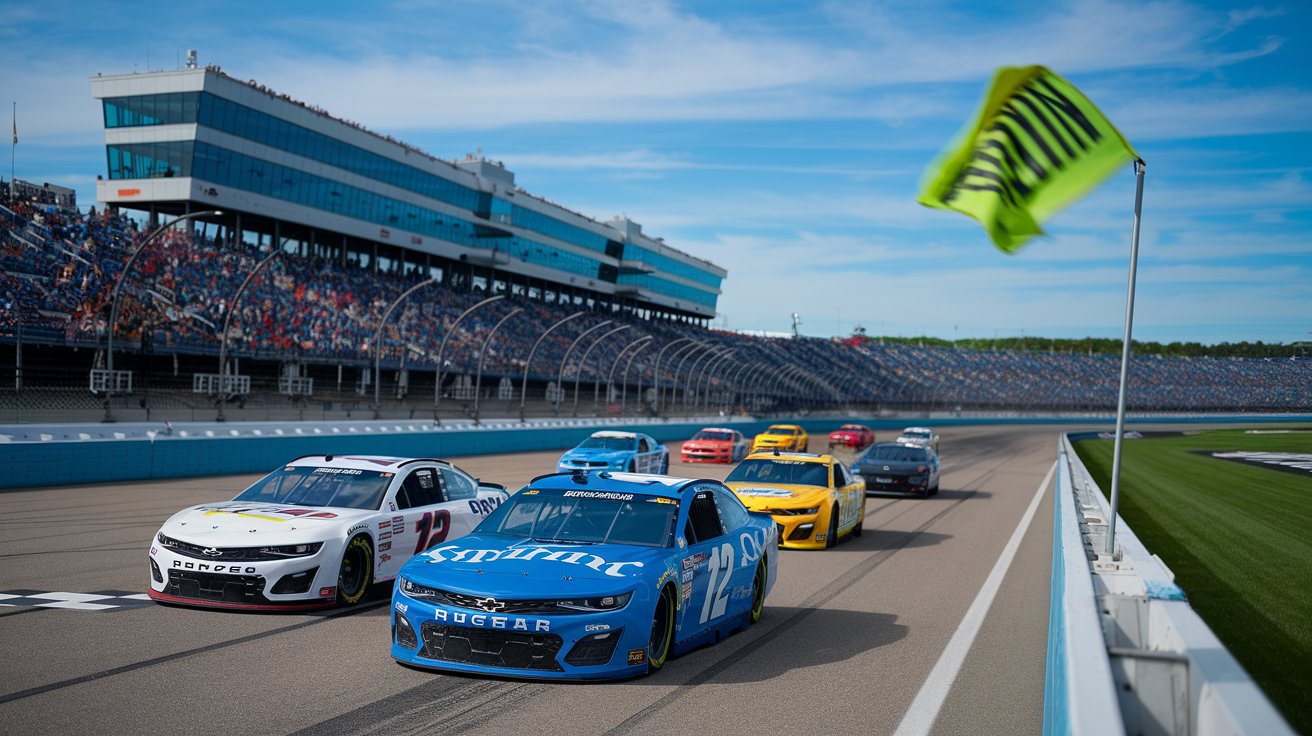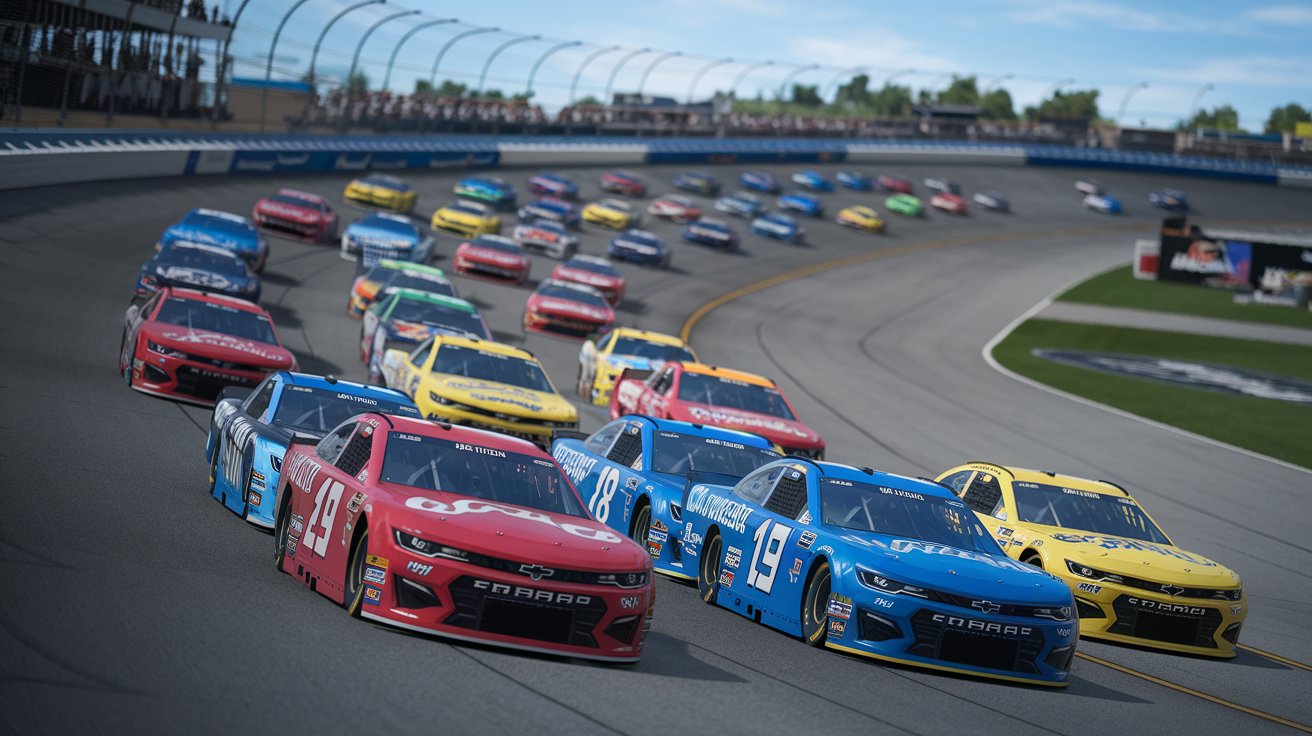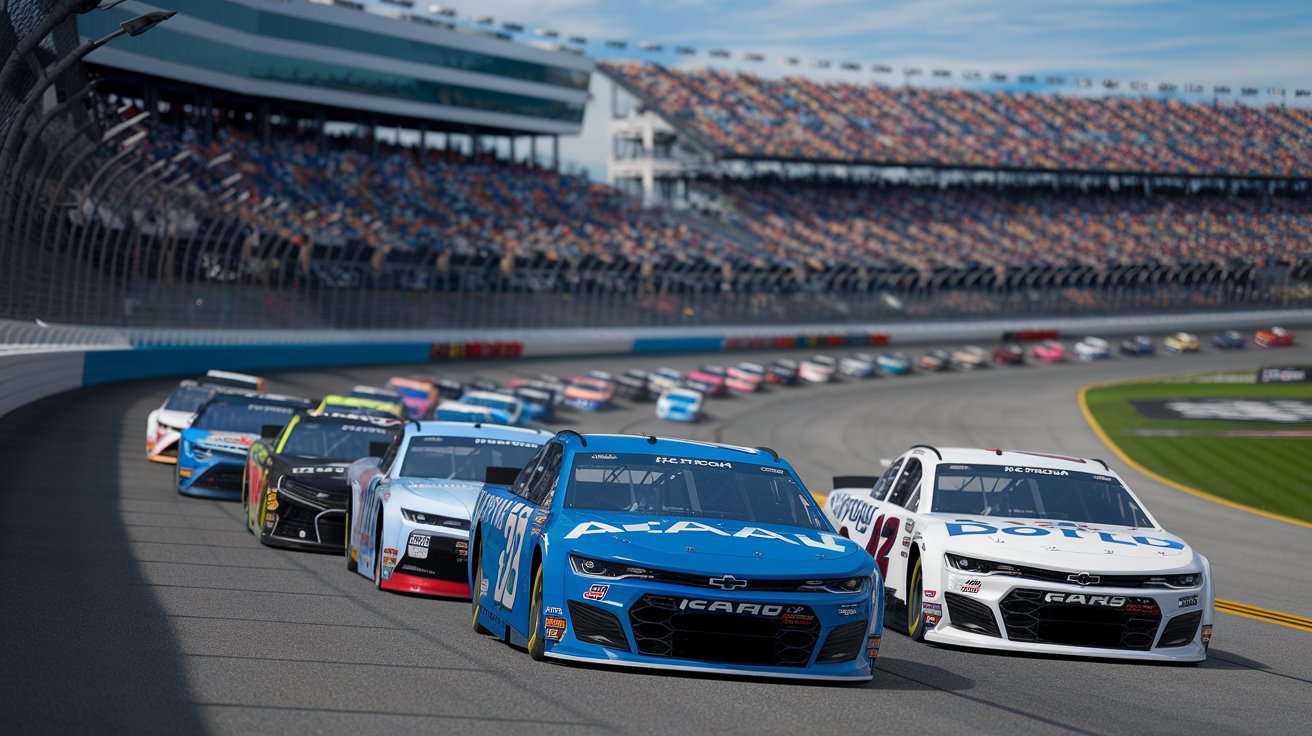
Understanding how many laps in NASCAR races is essential for fans planning their race day experience. The number of laps varies dramatically depending on the track, ranging from 188 laps at Talladega Superspeedway to 400 laps at Martinsville. In 2026, NASCAR Cup Series races are scheduled based on achieving specific total distances, typically between 260 to 600 miles, with lap counts adjusted according to each track’s unique length. This comprehensive guide breaks down lap counts for every major NASCAR venue and explains the factors that determine race distances.
NASCAR Lap Counts by Track Type and Length
The number of laps in a NASCAR race depends primarily on the track’s length and the scheduled race distance. NASCAR venues range from short tracks under one mile to superspeedways exceeding 2.5 miles. Each track hosts races designed to reach specific total distances, which directly determines the lap count. For example, a 500-mile race at a 1.5-mile track requires approximately 334 laps, while the same distance at a 2.5-mile superspeedway needs only 200 laps.
In 2026, the NASCAR Cup Series schedule features races ranging from 267 miles to 600 miles. The shortest races typically occur at road courses and certain intermediate tracks, while the longest is the legendary Coca-Cola 600 at Charlotte Motor Speedway. Track configuration significantly impacts racing strategy, with shorter tracks producing more laps and longer tracks featuring fewer but faster laps. Understanding these variations helps fans appreciate the unique challenges drivers face at different venues throughout the season.
Superspeedway Lap Counts: Daytona and Talladega
The Daytona 500 remains NASCAR’s most prestigious race with exactly 200 laps covering 500 miles on the 2.5-mile Daytona International Speedway. This iconic race typically lasts between three to four hours including cautions and stage breaks. Talladega Superspeedway, at 2.66 miles, hosts races with 188 laps for its 500-mile events, making it the venue with the fewest laps in the NASCAR Cup Series schedule. These superspeedways feature the highest speeds in NASCAR, with cars reaching over 200 mph in pack racing situations.
Both superspeedway races utilize NASCAR’s stage racing format, dividing the total laps into three segments. At Daytona, stages typically run 65-65-70 laps, while Talladega features similar proportional divisions. The 2026 season continues this format, with plate racing creating the signature pack racing that makes these venues unique. Weather delays are particularly impactful at superspeedways, as afternoon thunderstorms in the Southeast can extend race duration significantly beyond the typical three-and-a-half-hour window.
Intermediate Track Lap Requirements
Intermediate tracks measuring 1.5 to 2 miles dominate the NASCAR schedule and typically feature between 267 to 400 laps depending on the scheduled race distance. Las Vegas Motor Speedway hosts a 400-mile race requiring 267 laps on its 1.5-mile oval. Kansas Speedway and Texas Motor Speedway run similar distances with comparable lap counts. These intermediate venues provide balanced racing with opportunities for multiple racing lanes and strategic variations throughout the event.
The Charlotte Motor Speedway hosts the unique Coca-Cola 600, NASCAR’s longest race at 600 miles and 400 laps on the 1.5-mile track. This Memorial Day weekend tradition starts in daylight and finishes under the lights, testing driver endurance and crew strategy over nearly four hours of racing. Other intermediate tracks like Atlanta Motor Speedway, recently reconfigured to 1.54 miles, hosts races with approximately 325 laps for 500-mile events. The 2026 intermediate track schedule emphasizes these diverse racing experiences across the season.
Short Track and Road Course Lap Totals
Short tracks under one mile deliver the highest lap counts in NASCAR, with some races exceeding 400 laps. Martinsville Speedway, at 0.526 miles, requires 400 laps to complete its 500-lap race format, recently adjusted but still featuring extensive lap counts. Bristol Motor Speedway at 0.533 miles hosts 500-lap events covering approximately 266 miles. These tight, flat or banked ovals produce intense side-by-side racing with frequent cautions and significant tire wear throughout the distance.
Phoenix Raceway, at one mile exactly, hosts the NASCAR Championship race with 312 laps covering 312 miles. This unique track combines a short-track feel with dog-leg turns and varying banking, creating strategic challenges for teams. Richmond Raceway, at 0.75 miles, typically runs 400 laps for 300-mile events. The 2026 short track package emphasizes close racing and driver skill, with these venues consistently producing the most lead changes and on-track battles throughout the season.
Road Course Configurations and Distances
Road courses feature significantly different lap calculations due to their longer, winding layouts. Watkins Glen International runs 90 laps on its 2.45-mile road course for a 220-mile race. Sonoma Raceway hosts approximately 110 laps on its 1.99-mile configuration. The Charlotte Motor Speedway Roval combines oval and inroad sections for 109 laps at 2.32 miles per lap, totaling 253 miles. These technical courses demand different driving skills compared to traditional ovals.
Circuit of the Americas (COTA) in Austin, Texas, features 68 laps on its 3.41-mile Formula 1-grade facility, one of NASCAR’s longest lap distances. Road America in Wisconsin runs approximately 62 laps on its massive 4.048-mile course. The 2026 NASCAR road course schedule includes six to seven road course events, each with unique lap counts tailored to achieve race distances between 220 to 270 miles. These races typically last two and a half to three hours, with strategy playing a crucial role in fuel and tire management.
Unique Track Configurations: Indianapolis and Pocono
Indianapolis Motor Speedway’s road course configuration hosts NASCAR with approximately 82 laps covering 207 miles on the 2.439-mile layout. This historic venue shifted from the 2.5-mile oval to the infield road course in recent years, changing the lap count dramatically from the previous 160-lap oval races. The road course features 14 turns combining the famous oval’s front stretch with technical infield sections, creating a unique racing challenge.
Pocono Raceway, known as the “Tricky Triangle,” features a 2.5-mile triangular layout with three distinct turns of varying banking. Pocono races typically run 160 laps for 400-mile events, with each lap presenting different challenges. The 2026 schedule maintains Pocono’s unique position as NASCAR’s only triangular superspeedway, where teams must balance setups for three completely different corner types. These unique configurations require specialized preparation and offer racing characteristics unlike any other NASCAR venue.
What Determines NASCAR Race Distance and Lap Count
NASCAR determines race distances based on historical significance, track characteristics, and broadcast scheduling considerations. The sanctioning body assigns specific distances to each event, typically in miles, which then determines the exact lap count when divided by track length. Traditional races like the Daytona 500 and Coca-Cola 600 maintain their historic distances, while newer events receive distances appropriate for their venue type and competitive balance.
Television broadcasting windows significantly influence NASCAR race lengths in 2026. Most Cup Series races are designed to fit within three to four-hour broadcast slots, accounting for stages, cautions, and potential weather delays. The scheduled distance aims to provide competitive racing while respecting viewer attention spans and network programming schedules. Shorter tracks receive adjusted distances to prevent excessively long events, while superspeedways maintain traditional 500-mile formats that can be completed within reasonable timeframes given their higher average speeds.
Stage Racing Impact on Total Laps
NASCAR’s stage racing format, introduced in 2017 and continuing through 2026, divides races into three segments without reducing total lap counts. Each stage concludes with a caution period, allowing for points awards and strategic pit stops. The stage lengths are predetermined, typically dividing the race into roughly 25-30%, 25-30%, and 40-50% proportions, though specific lap divisions vary by track and total race distance.
At intermediate tracks, a 267-lap race might feature stages of 80-80-107 laps, while the Daytona 500 traditionally runs 65-65-70 lap stages. Stage breaks add approximately 10 to 15 minutes to overall race duration through caution laps and pit stop sequences. The 2026 stage format continues to create multiple strategic windows and guaranteed competition for stage points, which contribute to playoff qualification. This system ensures action throughout the entire race distance rather than teams conserving equipment for a single final push.
Overtime Rules and Extended Racing
NASCAR’s overtime procedures can extend races beyond their scheduled lap counts when cautions occur in the closing laps. The current rule attempts unlimited green-white-checkered finishes, though practical considerations and safety protocols may limit extensions. If a caution occurs during the final two laps or in overtime, NASCAR adds a minimum of two laps to ensure a green-flag finish, with the race ending when the leader takes the white flag under green conditions.
In 2026, overtime situations add between two to ten additional laps depending on how many attempts are needed to achieve a clean final restart. Superspeedways frequently see multiple overtime attempts due to the aggressive pack racing and likelihood of last-lap incidents. The Daytona 500 has been extended by as many as eight laps beyond its scheduled 200-lap distance in previous years. Short tracks and road courses also commonly experience overtime, while intermediate tracks see it less frequently. These extensions can add 15 to 30 minutes to race duration.
Comparing NASCAR Lap Counts to Other Racing Series
Understanding how many laps in NASCAR compares to other racing series provides perspective on the sport’s unique demands. Formula 1 races typically feature between 50 to 78 laps depending on circuit length, with the Monaco Grand Prix running 78 laps on its 2.07-mile street circuit, while Spa-Francorchamps in Belgium completes only 44 laps on its 4.35-mile layout. All F1 races target approximately 190 miles (305 kilometers) total distance, significantly shorter than most NASCAR events.
IndyCar races vary widely, with road courses running 60 to 110 laps, while oval races can exceed 200 laps. The Indianapolis 500 famously requires 200 laps on the 2.5-mile oval, identical to the Daytona 500’s lap count but on a different track configuration. IndyCar’s shorter overall race distances compared to NASCAR’s typical 400 to 600-mile events reflect different racing philosophies and vehicle capabilities. The 2026 NASCAR schedule maintains its tradition of longer endurance-style races that test equipment durability and driver stamina beyond the two-hour format common in international motorsports.
How Long NASCAR Races Take to Complete
The duration of a NASCAR race extends beyond simple lap count calculations due to cautions, stage breaks, and pit stop sequences. Most Cup Series races last between two and a half to four hours from green flag to checkered flag. Superspeedway races at Daytona and Talladega typically complete in three to four hours despite having fewer laps, as pack racing often produces multiple cautions and extended stage breaks.
Short track races with high lap counts often extend to three and a half to four hours because frequent cautions interrupt the racing rhythm. The Coca-Cola 600 at Charlotte typically runs four to four and a half hours as NASCAR’s longest race by both distance and time. Road course events usually complete in two and a half to three and a half hours, with fewer total laps but technical racing that produces strategic cautions. The 2026 average race duration across all venues is approximately three hours and fifteen minutes, though significant variation exists based on track type, weather conditions, and racing incidents.
Weather Delays and Race Extensions
Weather significantly impacts NASCAR race duration, particularly during summer months at Southern venues where afternoon thunderstorms are common. Rain delays can extend total event time by hours or even postpone races to the following day. Daytona and Talladega, both in Florida and Alabama respectively, frequently experience weather interruptions that can add two to four hours to the scheduled programming. Modern track drying equipment can return racing surfaces to green-flag conditions within 60 to 90 minutes under favorable conditions.
The 2026 season continues NASCAR’s commitment to completing races whenever possible, with extended weather delays sometimes pushing events past midnight local time. Road courses present particular challenges as drying the entire circuit takes longer than oval configurations. Lightning protocols require at least 30 minutes of clear conditions before personnel can return to exposed areas, further extending delays. Fans planning to attend races should prepare for potential weather extensions, particularly at outdoor facilities during spring and summer months when afternoon convective activity is most likely.
Factors That Speed Up or Slow Down Race Completion
The number of caution periods dramatically affects race completion time, with each yellow flag adding approximately five to eight minutes depending on circumstances. Races with minimal cautions can finish at the shorter end of expected durations, while incident-filled events extend significantly. Clean racing at superspeedways with only the two stage cautions might complete in three hours, whereas multiple crash sequences can extend the same race to four and a half hours or more.
Pit stop strategies also influence overall race time. Green-flag pit stop cycles spread across multiple laps slow the race pace as leaders pit while others remain on track. The 2026 NextGen car’s standardized pit stop procedures create relatively consistent service times of 12 to 14 seconds for four tires and fuel. Damaged vehicles requiring extended repairs under caution add time, as NASCAR typically allows reasonable repair periods before eliminating cars from competition. Track position battles and side-by-side racing generally produce cleaner events with fewer stoppages, while single-file racing at certain tracks can lead to aggressive moves that trigger incidents and additional caution periods.
Planning Your NASCAR Race Day Experience
Understanding how many laps and the expected duration helps fans plan their race day logistics effectively. Arriving at the track two to three hours before the scheduled green flag allows time for parking, security screening, and finding seats. Pre-race ceremonies, driver introductions, and the national anthem typically begin 20 to 30 minutes before the start command. The 2026 NASCAR schedule provides detailed timing information for each event, though flexibility is essential given potential weather delays.
For races with high lap counts like Martinsville’s 400 laps or Charlotte’s 400-lap Coca-Cola 600, fans should prepare for extended stays at the facility. Most tracks offer re-entry privileges allowing spectators to visit concession areas or merchandise haulers without losing their seats. Bringing sunscreen, hearing protection, and portable cushions enhances comfort during three to four-hour events. Many venues now offer enhanced amenities including air-conditioned concourses and premium seating areas that provide respite from summer heat during longer races.
Best Races for First-Time NASCAR Fans
First-time NASCAR attendees might consider races with moderate lap counts and durations that provide the full experience without overwhelming length. The spring Phoenix race at 312 laps offers excellent sightlines and manageable duration around three hours. Richmond Raceway’s night races provide spectacular short-track action with 400 laps of intense racing in a compact facility where fans can see the entire track from most seats.
Road course events like Watkins Glen with 90 laps offer a different NASCAR experience with technical racing and natural terrain amphitheater viewing. The 2026 schedule includes strategically placed road course races during summer months when three-hour durations feel more manageable than four-hour superspeedway events. Avoiding the Coca-Cola 600 for a first experience might be wise unless prepared for the marathon four-plus hour commitment. Intermediate tracks like Las Vegas or Kansas provide solid introductions with 267 laps offering sufficient racing action without excessive duration.
Technology and Apps for Tracking Race Progress
The official NASCAR Mobile app provides real-time lap counts, leaderboards, and driver statistics throughout races in 2026. Fans at the track can monitor remaining laps, stage breakdowns, and pit stop cycles through the app’s live timing and scoring features. In-car cameras and team radio communications add immersive elements that enhance understanding of race strategy as laps wind down. Push notifications alert users to significant moments like stage conclusions and race restarts.
Track-provided timing and scoring displays on video boards show current lap counts and remaining distance, helping spectators gauge race progress. Many facilities offer dedicated apps with track maps, scanner frequencies, and facility information. Fantasy NASCAR platforms track real-time statistics that correlate with lap completion and stage results. Social media integration allows fans to share experiences and receive updates during longer races. The 2026 technological ecosystem surrounding NASCAR provides unprecedented access to race data, making it easier than ever to follow the action whether understanding that 50 laps remain at Phoenix or 100 laps remain at Talladega.
NASCAR Lap Count Records and Historical Context
The highest lap count in modern NASCAR history occurred at short tracks during the sport’s earlier decades when races occasionally exceeded 500 laps. North Wilkesboro Speedway, returning to the 2026 schedule as a special event, historically hosted races of 400 laps on its 0.625-mile layout. Martinsville continues to hold events near 400 laps, maintaining the tradition of marathon short-track endurance racing that tests both driver concentration and equipment durability over extended distances.
The evolution of NASCAR race distances reflects changing priorities around fan engagement and competitive balance. The 1960s and 1970s featured some races exceeding 600 miles, with the World 600 at Charlotte establishing the maximum distance that persists today. Superspeedways settled into the 500-mile standard that creates the iconic 200-lap Daytona 500 format. The 2026 schedule represents decades of refinement, balancing traditional long-distance racing heritage with modern entertainment considerations. Lap counts have remained relatively stable since the 2000s, providing consistency that allows meaningful year-over-year comparisons of race statistics and driver achievements.
Related video about how many laps in nascar
This video complements the article information with a practical visual demonstration.
Questions & Answers
How many total laps is the Daytona 500?
The Daytona 500 consists of exactly 200 laps around the 2.5-mile Daytona International Speedway, totaling 500 miles. The race is divided into three stages with typical lap distributions of 65-65-70, though exact stage lengths may vary. This iconic NASCAR race has maintained its 200-lap format since the superspeedway opened in 1959, making it one of the most consistent race distances in motorsports history. The 2026 Daytona 500 continues this tradition as NASCAR’s most prestigious event.
How long is a NASCAR race today?
NASCAR race duration varies by track but typically lasts between two and a half to four hours from green flag to checkered flag. Short track races with 400 laps often take three and a half to four hours due to frequent cautions. Superspeedway events at Daytona and Talladega usually complete in three to four hours despite having only 188-200 laps. Road course races generally finish in two and a half to three and a half hours. The 2026 schedule provides specific timing for each event, though weather delays can extend any race significantly.
Is the Coca-Cola 600 really 600 miles?
Yes, the Coca-Cola 600 at Charlotte Motor Speedway is genuinely 600 miles, making it NASCAR’s longest race by distance. The 1.5-mile track requires exactly 400 laps to complete the full 600-mile distance. This Memorial Day weekend tradition typically takes four to four and a half hours to complete, starting in daylight and finishing under the lights. The race has maintained its 600-mile distance since 1960, testing driver endurance and team strategy more than any other event on the 2026 NASCAR Cup Series schedule.
How many laps in NASCAR at Phoenix Raceway?
Phoenix Raceway hosts 312 laps for its NASCAR Cup Series races, covering exactly 312 miles on the one-mile track. This unique Arizona venue features a flat, asymmetric layout with a distinctive dog-leg turn and varying banking that creates multiple racing lanes. Phoenix serves as the NASCAR Championship race venue, where the final four playoff drivers compete for the season title over those 312 laps. The 2026 championship race maintains this format, with the race typically completing in approximately three hours under normal racing conditions.
How many laps does NASCAR run at Las Vegas?
Las Vegas Motor Speedway hosts NASCAR Cup Series races with 267 laps on its 1.5-mile tri-oval configuration, totaling 400 miles. The race typically features three stages dividing the laps into segments of approximately 80-80-107 laps, though exact stage lengths may vary. Las Vegas races usually complete in three to three and a half hours, with the desert location providing excellent weather reliability and minimal rain delay risk. The 2026 schedule includes Las Vegas events in both the early season and playoff rounds.
How do NASCAR lap counts compare to Formula 1?
NASCAR races feature significantly more laps than Formula 1, with NASCAR events ranging from 62 laps at Road America to 400 laps at Martinsville, while F1 races typically include 50 to 78 laps regardless of circuit. NASCAR’s longer total distances (usually 260-600 miles) compared to F1’s standard 190-mile format create this difference. For example, the Daytona 500 runs 200 laps covering 500 miles, while an F1 race at a similar-length circuit would feature approximately 70 laps. The 2026 NASCAR schedule emphasizes endurance racing, whereas F1 prioritizes sprint-style events with mandatory pit stops for tire changes.
| Track Type | Typical Lap Count | Total Distance | Average Duration |
|---|---|---|---|
| Superspeedways (Daytona, Talladega) | 188-200 laps | 500 miles | 3-4 hours |
| Intermediate Tracks (1.5-2 miles) | 267-400 laps | 400-600 miles | 3-4.5 hours |
| Short Tracks (under 1 mile) | 312-400 laps | 266-312 miles | 3-4 hours |
| Road Courses | 62-110 laps | 207-270 miles | 2.5-3.5 hours |
| Charlotte (Coca-Cola 600) | 400 laps | 600 miles | 4-4.5 hours |