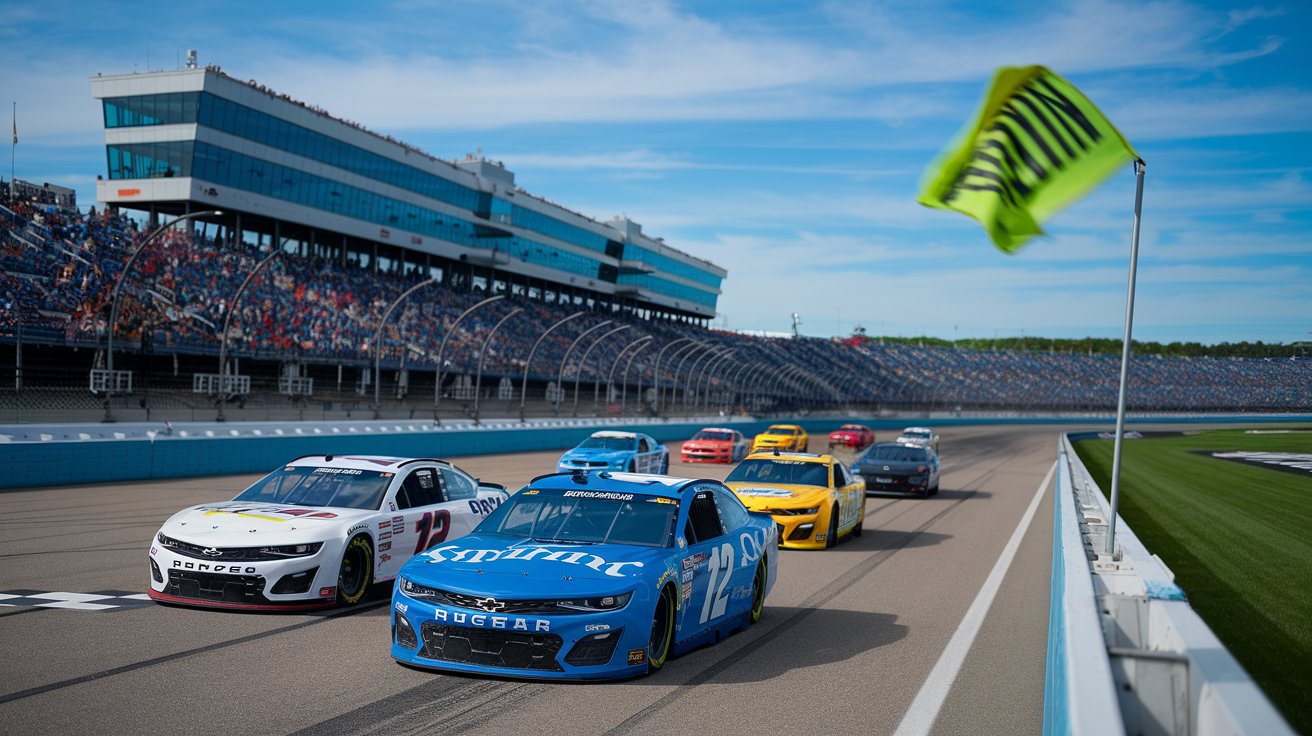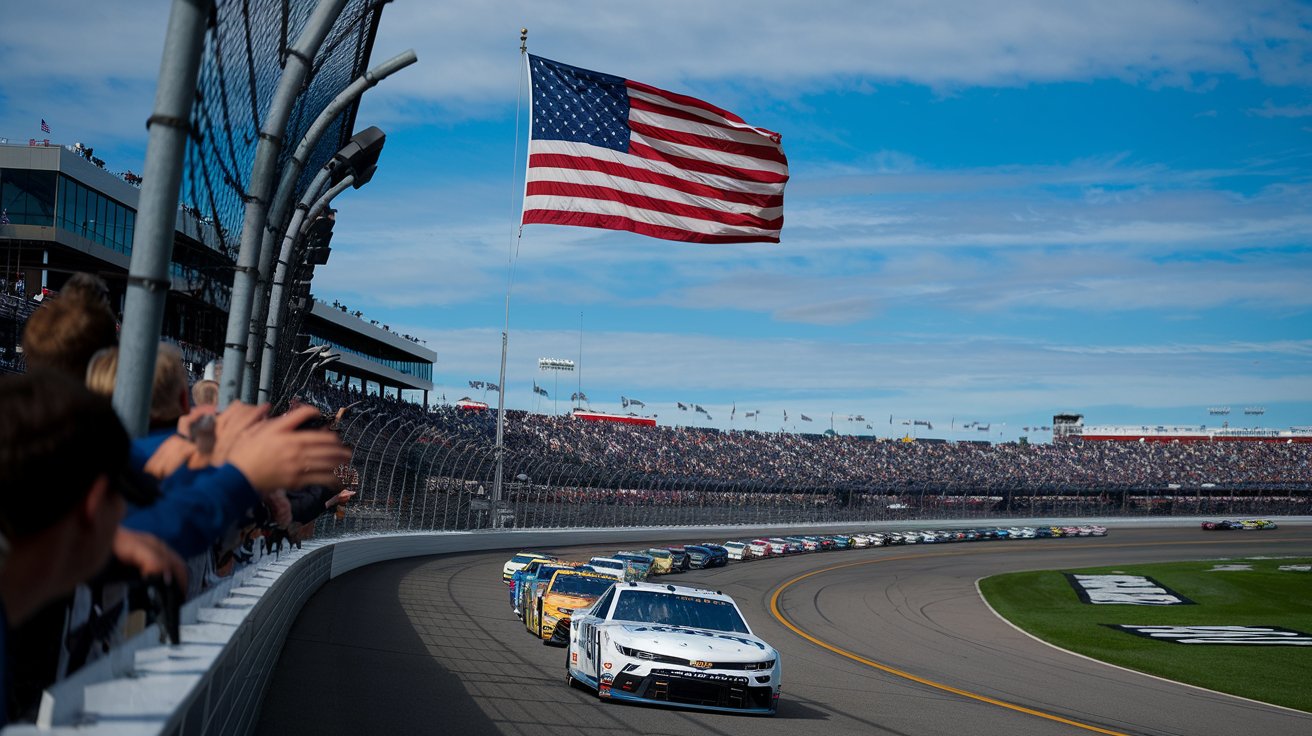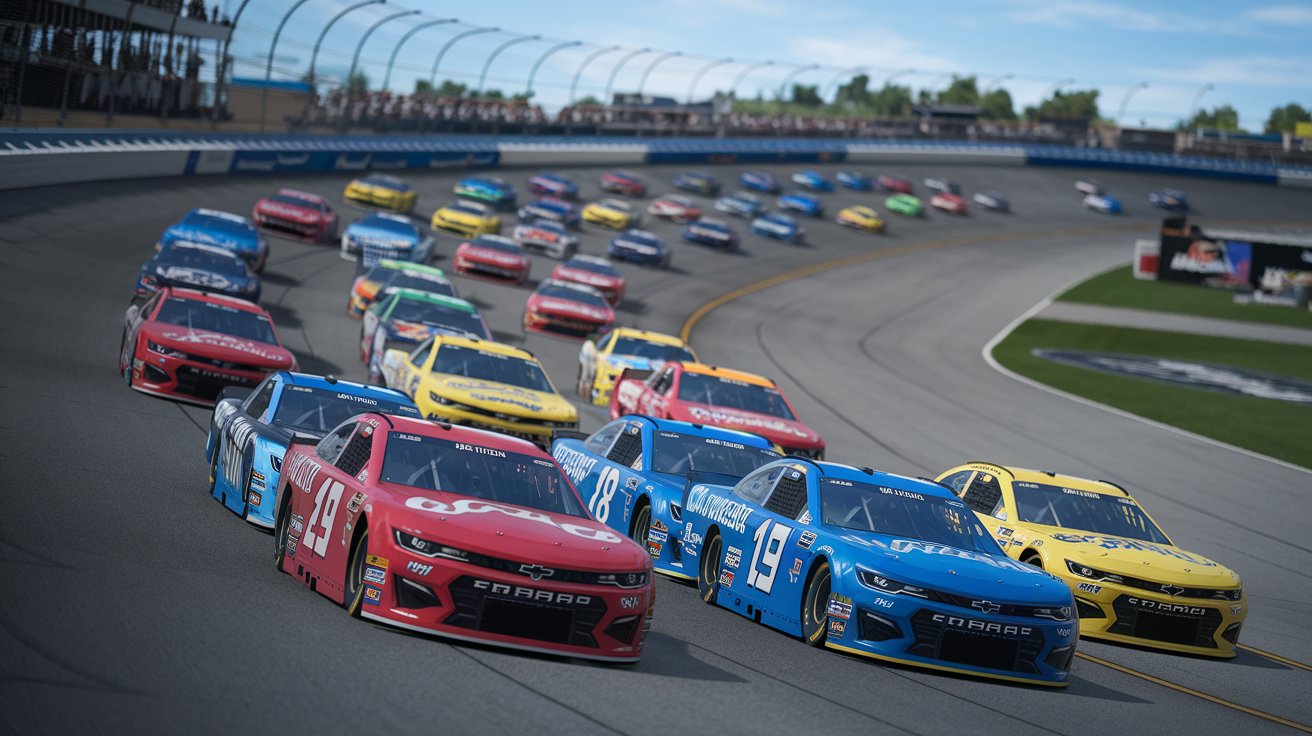
NASCAR stands for the National Association for Stock Car Auto Racing, the governing body that oversees America’s most popular form of motorsports. Founded in 1948 by Bill France Sr. in Daytona Beach, Florida, NASCAR has grown from regional stock car races into a billion-dollar industry with millions of fans across the United States. This acronym represents not just an organization but an entire culture of high-speed racing, dedicated teams, and passionate enthusiasts who follow the sport religiously every season.
The Full Meaning of NASCAR Explained
The acronym NASCAR breaks down into National Association for Stock Car Auto Racing, representing the sanctioning body that establishes rules, organizes races, and crowns champions across multiple racing series. The term stock car originally referred to standard production automobiles that were minimally modified for racing, though modern NASCAR vehicles are purpose-built race cars designed to resemble consumer models. As of 2026, NASCAR operates three national series: the Cup Series (premier division), Xfinity Series (second tier), and Craftsman Truck Series, along with numerous regional racing divisions throughout the United States.
Understanding what NASCAR stands for provides insight into the organization’s mission to regulate and promote stock car racing as a professional sport. The association maintains technical specifications for vehicles, enforces safety standards, manages competition rules, and coordinates the racing calendar across dozens of tracks. With headquarters in Daytona Beach, Florida, and a second major office in Charlotte, North Carolina, NASCAR employs over 1,500 people who work year-round to ensure fair competition and spectacular entertainment for racing fans nationwide.
Historical Origins: How NASCAR Was Founded in 1948
William Henry Getty France, known as Bill France Sr., established NASCAR on February 21, 1948, during a meeting at the Streamline Hotel in Daytona Beach, Florida. Before this formalization, stock car racing existed as loosely organized events with inconsistent rules and questionable legitimacy. France recognized the need for a unified governing body that could standardize regulations, ensure fair competition, and create a legitimate championship series. The first officially sanctioned NASCAR race occurred on Daytona Beach’s beach-road course on February 15, 1948, just days before the official incorporation, with Red Byron winning in a modified Ford.
The founding of NASCAR addressed critical issues plaguing early stock car racing, including track promoters who disappeared with gate receipts and inconsistent vehicle specifications that led to disputes. France’s vision included guaranteed purses for drivers, standardized rules across all events, and a points system to determine annual champions. By establishing the National Association for Stock Car Auto Racing, France created credibility and structure that attracted sponsors, talented drivers, and growing audiences throughout the American South during the late 1940s and early 1950s.
NASCAR’s Evolution Through Seven Decades
From its humble beginnings with races on dirt tracks and beach courses, NASCAR expanded dramatically throughout the 1950s and 1960s as television coverage brought the sport into American living rooms. The construction of purpose-built superspeedways like Darlington Raceway (1950) and Daytona International Speedway (1959) transformed stock car racing from regional entertainment into national spectacle. Major automotive manufacturers including Ford, Chevrolet, Chrysler, and Dodge invested heavily in NASCAR competition during this period, recognizing the marketing value of the famous phrase “win on Sunday, sell on Monday” that connected racing success to showroom sales.
The modern era of NASCAR saw exponential growth from the 1990s through 2010s, with billion-dollar television contracts, international expansion efforts, and corporate sponsorships transforming the sport into mainstream entertainment. The introduction of the playoff system (now called the NASCAR Cup Series Playoffs) in 2004 revolutionized championship competition, creating dramatic season finales that increased fan engagement. As of 2026, NASCAR continues evolving with electric vehicle development programs, enhanced safety technologies following continuous research, and diversity initiatives designed to broaden participation and viewership across demographic groups previously underrepresented in motorsports.
The Three Major NASCAR Racing Series
The NASCAR Cup Series represents the pinnacle of American stock car racing, featuring the sport’s most accomplished drivers competing for the championship across 36 points-paying races annually. Cup Series races occur at legendary venues including Daytona International Speedway, Indianapolis Motor Speedway, Bristol Motor Speedway, and numerous other tracks ranging from half-mile short tracks to 2.66-mile superspeedways. Prize money for Cup Series competition exceeds $200 million annually as of 2026, with race purses for premier events like the Daytona 500 reaching $25 million including bonuses and contingency awards distributed among all competitors.
The Xfinity Series serves as NASCAR’s developmental league where younger drivers and veterans gain experience before advancing to Cup Series competition. With 33 races scheduled in 2026, Xfinity provides crucial track time for emerging talent while also featuring Cup Series drivers competing in select events. The Craftsman Truck Series, featuring pickup truck-style race vehicles, completes NASCAR’s national touring divisions with approximately 23 races annually on a mix of ovals, road courses, and dirt tracks. Together, these three series showcase over 90 nationally televised racing events each year, maintaining NASCAR’s position as America’s most-watched motorsports organization.
Understanding NASCAR’s Regional and Local Series
Beyond the three national series, NASCAR sanctions numerous regional and local racing divisions that serve as grassroots development pipelines for aspiring drivers throughout the United States. These regional series include the ARCA Menards Series East and West (advanced stock cars), NASCAR Whelen Modified Tour (modified open-wheel stock cars), and various weekly racing series at local tracks across the country. The regional divisions allow drivers to compete closer to home with lower budgets while still racing under NASCAR sanctioning that provides legitimacy, safety standards, and potential pathways to national competition.
The NASCAR Weekly Series operates at approximately 60 tracks nationwide as of 2026, crowning track champions and awarding national championships based on accumulated points throughout each racing season. This grassroots level represents the foundation of NASCAR’s competitive pyramid, where many Cup Series champions including Jimmie Johnson, Kyle Busch, and Joey Logano began their racing careers. Local NASCAR divisions maintain the sport’s accessibility and community connections while generating new generations of drivers, crew members, and passionate fans who eventually support the sport at higher levels.
NASCAR Vehicle Specifications and Technology
Modern NASCAR Cup Series vehicles bear only superficial resemblance to their production counterparts, consisting of purpose-built tube-frame race cars with composite bodies shaped to represent Chevrolet Camaro, Ford Mustang, and Toyota Camry models. The Next Gen car introduced in 2022 and continuously refined through 2026 features independent rear suspension, sequential transmission, larger wheels with low-profile tires, and standardized components designed to reduce costs while maintaining competitive parity. Engine specifications limit displacement to 358 cubic inches (5.86 liters) producing approximately 670 horsepower on most tracks, with restrictor plates reducing power to around 510 horsepower at superspeedways including Daytona and Talladega.
Safety technology in NASCAR vehicles has advanced dramatically following decades of research and tragic accidents that prompted mandatory improvements. Current safety features include the SAFER barrier system at track walls, head-and-neck restraint devices (HANS), six-point harnesses, roof escape hatches, fire suppression systems, and energy-absorbing crash structures throughout the chassis. The vehicle specifications mandated by NASCAR ensure competitive racing while prioritizing driver protection, resulting in zero driver fatalities in Cup Series competition since 2001 despite numerous high-speed crashes occurring during races each season.
NASCAR’s Economic Impact in the United States
The economic footprint of NASCAR extends far beyond prize money and television contracts, generating an estimated $8.4 billion in annual economic impact across the United States as of 2026. This economic contribution includes direct spending at racetracks, hotels, restaurants, and transportation services by approximately 3.2 million fans who attend races in person each year, plus billions more in television advertising, merchandise sales, and sponsor activation programs. Major racing markets like Charlotte, North Carolina (home to numerous team headquarters), Daytona Beach, Florida, and Indianapolis, Indiana experience particularly significant economic benefits from NASCAR operations and race week activities.
Employment related to NASCAR encompasses thousands of positions beyond drivers and pit crew members, including engineers, fabricators, marketers, broadcasters, track employees, and support personnel at race teams and sanctioning body offices. The sport supports approximately 45,000 direct jobs in the United States, with indirect employment (suppliers, service providers, tourism industry workers) adding tens of thousands more positions dependent on NASCAR operations. Corporate sponsorship investment in NASCAR reaches approximately $1.7 billion annually, with companies ranging from automotive brands to consumer products leveraging the sport’s passionate fan base for marketing purposes.
NASCAR’s Fan Base and Cultural Significance
The NASCAR fan base represents one of America’s most loyal and engaged sports audiences, with demographic studies showing strong support across multiple age groups, geographic regions, and socioeconomic categories. Traditional strongholds in the southeastern United States continue generating passionate followings, while expansion markets in California, Nevada, and the Pacific Northwest have developed significant fan communities. As of 2026, approximately 63 million Americans identify as NASCAR fans according to industry research, though attendance and television ratings have fluctuated in recent years as the sport competes for attention in an increasingly crowded entertainment landscape.
The cultural impact of NASCAR extends into American popular culture through movies, video games, merchandise, and the celebrity status of top drivers who appear in commercials and media beyond racing coverage. The sport’s working-class roots and accessibility create connections with fans who appreciate the mechanical skills, physical courage, and strategic thinking required for success in stock car racing. NASCAR events function as multi-day festivals where fans camp at tracks, meet drivers during pre-race activities, and participate in entertainment experiences that extend far beyond the three-hour race broadcasts, creating memories and traditions passed between generations of racing enthusiasts.
NASCAR Safety Innovations and Driver Protection
Safety improvements represent NASCAR’s most significant advancement over seven decades of racing, transforming a dangerous sport with frequent fatalities into competition where drivers survive crashes that would have been unsurvivable in earlier eras. The death of Dale Earnhardt Sr. during the 2001 Daytona 500 catalyzed dramatic safety enhancements including mandatory HANS devices, softer wall barriers, improved seat designs, and comprehensive research programs studying crash dynamics. The NASCAR Research and Development Center in Concord, North Carolina continuously tests safety innovations, conducts crash simulations, and develops technologies that protect drivers while maintaining competitive racing.
Recent safety additions in NASCAR competition through 2026 include enhanced roll cage designs with additional impact-absorbing structures, fire-resistant suits with improved heat protection, and communication systems allowing drivers to immediately report medical concerns during races. Track safety improvements extend beyond vehicle technology, with enhanced medical response capabilities including airborne trauma helicopters, on-site medical centers with surgical capabilities, and rapid-response safety teams trained to extract injured drivers within seconds of crashes occurring. These comprehensive safety systems reflect NASCAR’s commitment to driver welfare while preserving the exciting, competitive racing that attracts millions of fans to the sport.
The Business Structure Behind NASCAR
The NASCAR organization operates as a privately held company owned by the France family, descendants of founder Bill France Sr., with Jim France serving as chairman as of 2026. Unlike many professional sports leagues with franchise ownership models, NASCAR maintains direct control over sanctioning, rules, and championship structures while race tracks operate as independent businesses that purchase rights to host sanctioned events. This unique structure gives NASCAR centralized authority over competition standards while tracks retain responsibility for facility operations, ticket sales, and local event management.
Revenue streams for NASCAR include television broadcast rights (worth approximately $820 million annually through 2026), track sanctioning fees, licensing agreements for merchandise and video games, and title sponsorships for series and individual races. The organization distributes portions of television revenue to race teams through a purse and points fund system, though teams generate most income through individual sponsor relationships with corporations seeking marketing exposure. This business model has evolved considerably since NASCAR’s founding, reflecting the sport’s growth from regional entertainment into a sophisticated professional sports business with complex financial relationships among sanctioning body, tracks, teams, sponsors, and broadcast partners.
NASCAR’s Environmental and Sustainability Initiatives
Recognizing environmental concerns and changing public expectations, NASCAR launched comprehensive sustainability programs addressing fuel efficiency, waste reduction, and carbon footprint minimization across racing operations. The switch to unleaded fuel in 2007 eliminated toxic lead emissions, while the introduction of Sunoco Green E15 (15% ethanol blend) in 2011 reduced greenhouse gas emissions and supported renewable fuel development. As of 2026, NASCAR continues researching alternative propulsion technologies including hybrid and electric powertrains that could supplement or eventually replace traditional internal combustion engines while maintaining the competitive excitement fans expect.
Track facilities hosting NASCAR events have implemented extensive recycling programs, solar panel installations, and water conservation systems reducing environmental impact during race operations. The sanctioning body’s NASCAR Green initiative partners with environmental organizations to offset carbon emissions, promote conservation awareness among fans, and research sustainable practices applicable to motorsports. These efforts address criticism that auto racing contradicts environmental responsibility while positioning NASCAR as an organization committed to balancing sporting entertainment with ecological stewardship in an era of increasing climate consciousness among younger demographics the sport hopes to attract.
How NASCAR Compares to Other Racing Organizations
While NASCAR dominates American stock car racing, several other sanctioning bodies govern different motorsports disciplines including IndyCar (open-wheel racing), NHRA (drag racing), IMSA (sports car racing), and various regional organizations. Each racing type offers distinct competitive formats, vehicle specifications, and fan experiences that appeal to different audience segments. NASCAR’s oval track racing with full-contact competition differs dramatically from Formula 1’s precision engineering focus or IndyCar’s mix of oval and road course competition, creating unique entertainment value that resonates particularly strongly with American audiences.
The popularity metrics comparing NASCAR to other racing organizations show stock car racing maintains the largest fan base within the United States, though Formula 1 has gained American viewership in recent years through Netflix documentaries and increased race promotions. NASCAR television ratings average 2.5 to 4.5 million viewers for regular season Cup Series races as of 2026, with marquee events like the Daytona 500 reaching 8 to 10 million viewers. This viewership substantially exceeds IndyCar’s typical audience though trails major stick-and-ball sports like NFL football and NBA basketball in overall popularity rankings among American sports fans.
Related video about what does nascar stand for
This video complements the article information with a practical visual demonstration.
FAQ – Common Questions
What does NASCAR stand for and when was it founded?
NASCAR stands for National Association for Stock Car Auto Racing, an organization founded by Bill France Sr. on February 21, 1948, in Daytona Beach, Florida. The sanctioning body was established to create standardized rules, ensure fair competition, and organize championship racing series for stock car competition throughout the United States. The first officially sanctioned race occurred just days before the formal incorporation, marking the beginning of organized stock car racing that would eventually grow into America’s premier motorsports organization with millions of fans and billions of dollars in economic impact.
How many NASCAR racing series exist in 2026?
NASCAR operates three national touring series as of 2026: the Cup Series (premier division with 36 races), Xfinity Series (developmental series with 33 races), and Craftsman Truck Series (pickup truck racing with approximately 23 races). Beyond these national championships, NASCAR sanctions numerous regional competitions including ARCA Menards Series East and West, NASCAR Whelen Modified Tour, and weekly racing series at approximately 60 local tracks across the United States. This multi-tier structure provides competitive opportunities at various skill levels while creating a development pipeline that produces future national championship drivers.
What is the difference between stock cars and regular production vehicles?
Despite the term stock car in NASCAR’s full name, modern race vehicles are purpose-built competition machines that only cosmetically resemble production automobiles. While early NASCAR racing actually used minimally modified street-legal vehicles, contemporary Cup Series cars feature tube-frame chassis, 670-horsepower racing engines, racing transmissions, and composite bodies shaped to represent Chevrolet, Ford, and Toyota models sold to consumers. The vehicles share virtually no components with dealership cars aside from basic visual appearance, though NASCAR maintains this connection to production models as part of the sport’s identity and manufacturer marketing strategies.
How much do NASCAR drivers earn annually?
Compensation for NASCAR drivers varies dramatically based on success, experience, and sponsorship appeal, with top Cup Series competitors earning $10 million to $20 million annually through combined salaries, prize money, and personal endorsement deals as of 2026. Elite drivers with championship credentials and strong fan followings command the highest compensation, while developmental drivers in Xfinity or Truck Series may earn $200,000 to $500,000 annually. Many drivers at regional and local NASCAR levels compete part-time while maintaining other employment, earning modest prize money supplemented by personal sponsorships and team support that covers racing expenses.
What safety improvements has NASCAR implemented after major accidents?
Following Dale Earnhardt Sr.’s fatal crash in 2001, NASCAR mandated numerous safety enhancements including head-and-neck restraint devices (HANS), softer wall barriers (SAFER barriers) at all major tracks, improved seat and restraint systems, and comprehensive research programs studying crash dynamics and injury prevention. Additional safety technologies through 2026 include enhanced roll cage designs with energy-absorbing structures, fire-resistant driver suits, roof escape hatches, on-board camera systems allowing officials to assess driver condition immediately after accidents, and medical response protocols featuring rapid extraction procedures and on-site trauma care capabilities. These innovations have resulted in zero Cup Series driver fatalities since 2001 despite numerous high-speed crashes.
Can anyone attend a NASCAR race and what is the typical cost?
NASCAR races are public events where fans can purchase tickets ranging from approximately $40 for general admission at smaller tracks to $400 or more for premium seating at major events like the Daytona 500 in 2026. Most tracks offer various seating options including grandstand seats, infield access, suites, and hospitality packages with pricing reflecting location quality and amenities included. Many facilities allow fans to bring coolers with food and beverages, creating affordable family entertainment compared to other professional sports. Weekend race events typically include practice sessions, qualifying races, and support series competitions providing multiple days of racing action included with ticket purchases at numerous venues.
| Key NASCAR Aspect | Important Details | Significance |
|---|---|---|
| Full Name Meaning | National Association for Stock Car Auto Racing | Established legitimacy and standardized rules for racing |
| Founded Date | February 21, 1948 by Bill France Sr. | Created organized structure for American stock car racing |
| National Series Count | 3 major series (Cup, Xfinity, Truck) in 2026 | Provides multi-level competition and driver development |
| Annual Economic Impact | $8.4 billion across United States | Supports 45,000+ direct jobs and tourism industries |
| Fan Base Size | 63 million Americans identify as NASCAR fans | Maintains position as America’s premier motorsports organization |
| Safety Record | Zero Cup Series fatalities since 2001 | Demonstrates effectiveness of comprehensive safety programs |