
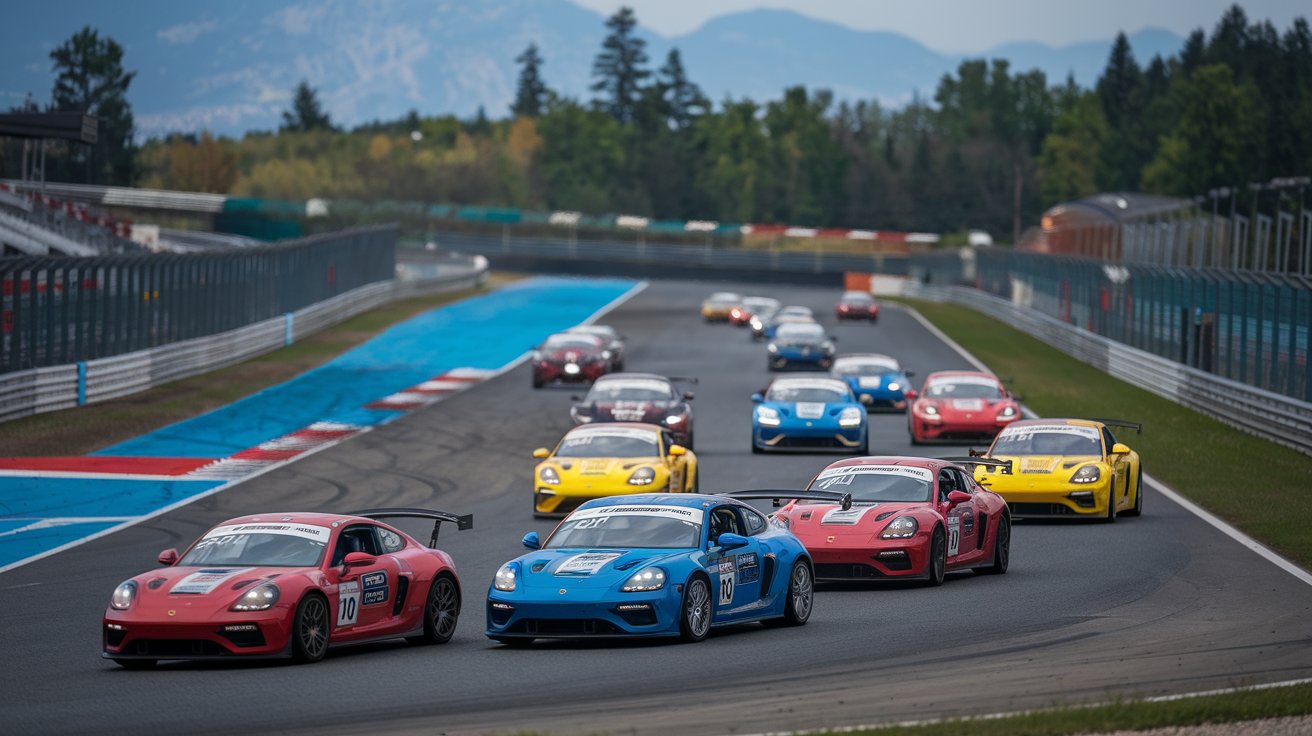
Drafting in racing is an aerodynamic technique where a driver follows closely behind another vehicle to reduce air resistance and increase speed. This strategy, also called slipstreaming, allows the trailing car to conserve fuel while potentially gaining enough momentum to execute a passing maneuver. Understanding how drafting works is essential for appreciating modern motorsports strategy, particularly in NASCAR, IndyCar, and Formula 1 racing throughout the United States in 2026.
How Does Drafting Work in a Race
The physics behind drafting in racing centers on aerodynamic drag reduction. When a lead vehicle travels at high speed, it pushes air molecules aside, creating a low-pressure pocket directly behind it. A trailing car positioned in this zone experiences significantly less air resistance, allowing its engine to propel the vehicle faster while consuming less fuel. At speeds exceeding 180 mph on oval tracks like Daytona International Speedway, the aerodynamic advantage can reduce drag by approximately 25-40 percent for the following vehicle.
The lead car also benefits from this arrangement through reduced turbulence at the rear. The following car’s front bumper essentially pushes air into the low-pressure zone, creating a slight forward push on the lead vehicle. This symbiotic relationship explains why drivers often work together in drafting pairs or larger packs during superspeedway races. In 2026, advanced computational fluid dynamics have helped teams optimize the ideal following distance, typically between 6-18 inches depending on the racing series and track configuration.
Drafting Techniques Across Different Racing Series
Different motorsports disciplines utilize drafting strategies in unique ways based on their regulations, vehicle designs, and track layouts. The application of this aerodynamic principle varies significantly between stock car racing, open-wheel competitions, and sports car endurance events across American racing venues in 2026.
Is Drafting Allowed in NASCAR
Yes, drafting is not only allowed in NASCAR but actively encouraged as a fundamental racing strategy. NASCAR competition on superspeedways like Talladega and Daytona heavily relies on drafting, with drivers forming organized lines or packs that can circulate the track significantly faster than individual cars. The Next Gen car introduced in 2022 and refined through 2026 features specific aerodynamic elements that enhance drafting effectiveness while attempting to prevent dangerous single-file racing. NASCAR officials monitor bump drafting closely, penalizing overly aggressive contact that could cause dangerous accidents, but standard nose-to-tail drafting remains legal and strategically essential.
During the 2026 NASCAR Cup Series season, drafting strategies have evolved with improved telemetry systems that allow spotters to communicate optimal positioning. Drivers frequently execute the slingshot maneuver, where the trailing car pulls out of the draft, uses accumulated momentum to accelerate past the leader, then immediately moves back in line to avoid excessive drag. Multi-car tandem drafting, where two or more vehicles work together, can produce lap speeds 8-12 mph faster than solo efforts on restrictor plate tracks.
Does F1 Use Drafting and Slipstreaming
Formula 1 actively utilizes drafting techniques, though the sport refers to the practice as slipstreaming due to the open-wheel configuration of F1 cars. Unlike NASCAR’s sustained nose-to-tail drafting, F1 slipstreaming typically occurs on long straights where following drivers can gain 10-20 kph advantage when positioned within one second of the leading car. The 2026 F1 technical regulations have further refined aerodynamic components to enhance overtaking opportunities through more effective slipstreaming zones at circuits like Circuit of the Americas in Austin, Texas, and the Las Vegas Street Circuit.
The Drag Reduction System (DRS) introduced in F1 complements natural slipstreaming by allowing trailing drivers to open a rear wing flap in designated zones, further reducing drag. However, F1 cars lose significant front downforce when following closely through corners, limiting sustained drafting primarily to straightaways. In 2026, teams strategically position drivers during qualifying sessions to provide tows, with the slipstreaming effect potentially worth 0.2-0.4 seconds per lap on power-sensitive circuits, making it crucial for securing optimal grid positions.
What Is Bump Drafting in Racing
Bump drafting represents an aggressive variation where the trailing car makes deliberate contact with the lead car’s rear bumper to push both vehicles faster. This technique originated in NASCAR competition and remains most prevalent on superspeedway ovals where sustained high speeds make the additional push valuable. The trailing driver carefully times contact during straightaways, applying forward pressure that propels the lead car while simultaneously reducing air resistance for both vehicles. When executed properly, bump drafting can increase speeds by 3-5 mph compared to standard nose-to-tail drafting.
The practice requires exceptional skill and mutual trust between drivers, as improper contact angle or timing can destabilize either vehicle, potentially triggering multi-car accidents. NASCAR’s 2026 competition guidelines permit controlled bump drafting but penalize aggressive or reckless bumping that endangers competitors. Drivers typically establish bump drafting partnerships during races, with radio communication coordinating when and where contact will occur. The technique proves especially valuable during final lap scenarios where every fractional advantage determines race outcomes.
The Risks and Rewards of Bump Drafting
The primary reward of bump drafting involves superior acceleration and sustained speed that individual cars cannot achieve alone. Teams analyzing telemetry data from the 2026 NASCAR season show that coordinated bump drafting pairs maintain average speeds 6-9 mph higher than solo competitors on restrictor plate tracks. This speed advantage translates directly to track position gains, with successful bump drafting partnerships frequently advancing through the field during green flag runs. Additionally, the technique provides fuel economy benefits, as both vehicles experience reduced drag and can extend time between pit stops.
However, bump drafting risks include catastrophic accidents when contact occurs improperly. If the trailing car’s bumper hits off-center or the lead driver makes sudden movements during contact, either vehicle can spin violently, often collecting multiple nearby cars. The 2026 NASCAR safety protocols include enhanced bumper designs and rear impact zones that better absorb and distribute contact forces, reducing but not eliminating accident risks. Drivers must also consider potential penalties for overly aggressive bumping, mechanical damage to front-end components, and the possibility that bump drafting partners may abandon cooperation for individual advancement as the race concludes.
Why Doesn’t Bump Drafting Work in Formula 1
Bump drafting proves ineffective in Formula 1 due to fundamental differences in vehicle construction, aerodynamic design, and racing regulations. F1 cars feature exposed wheels and delicate aerodynamic components that would sustain immediate damage from rear-end contact. The open-wheel design means any bumper-to-bumper contact would more likely strike suspension components, wings, or bodywork rather than designated impact zones. Even minor contact can puncture tires, damage critical aerodynamic surfaces, or break suspension links, forcing immediate retirement from the race.
Furthermore, F1’s technical regulations explicitly prohibit deliberate contact between cars, with race stewards issuing penalties ranging from time additions to disqualifications for causing collisions. The precision-engineered nature of F1 vehicles means they rely entirely on aerodynamic efficiency rather than physical pushing for speed advantages. In 2026, F1 telemetry systems immediately flag unusual g-force patterns that would indicate bumping attempts, allowing officials to review and penalize such behavior. The sport’s emphasis on clean racing and driver skill fundamentally conflicts with the contact-dependent nature of bump drafting practiced in stock car racing.
The Role of Slipstreaming in Formula 1 Strategy
While F1 avoids bump drafting, slipstreaming remains strategically vital for overtaking and race management. Teams coordinate slipstream positioning during qualifying sessions, with drivers providing tows to teammates to maximize straight-line speed when crossing timing lines. A properly executed slipstream can deliver 15-25 kph velocity gains on power circuits, potentially moving drivers up several grid positions. During races, attacking drivers position themselves within one second of leading cars entering DRS zones, combining natural slipstream effects with artificial drag reduction to create overtaking opportunities.
The 2026 F1 season features refined aerodynamic regulations designed to preserve slipstream benefits while reducing the negative effects of turbulent air through corners. Ground effect technology introduced in 2022 and evolved through 2026 allows following cars to maintain closer proximity without losing excessive downforce. Race engineers analyze real-time telemetry to advise drivers on optimal slipstream positioning, balancing the speed advantage against tire temperature management and fuel consumption. At circuits like the Indianapolis Motor Speedway road course and Miami International Autodrome, slipstreaming strategy often determines podium positions during the final laps.
Beyond NASCAR: Bump Drafting in Other Racing Series
Bump drafting applications extend beyond NASCAR into several other American racing disciplines, though with varying acceptance levels and technique modifications. IndyCar racing on oval circuits occasionally sees controlled bumping, particularly at superspeedways like Indianapolis Motor Speedway and Texas Motor Speedway. However, IndyCar’s lighter chassis construction and more fragile aerodynamic components make the practice riskier than in NASCAR’s heavier stock cars. The 2026 IndyCar Series regulations permit incidental contact but discourage sustained bump drafting, with race control monitoring telemetry for excessive aggression.
Late model stock car racing at regional tracks throughout the United States frequently incorporates bump drafting techniques borrowed from NASCAR competition. ARCA Menards Series races, serving as NASCAR’s developmental league, feature extensive bump drafting instruction as drivers learn superspeedway racing skills. Sports car endurance racing, including IMSA WeatherTech SportsCar Championship events, generally prohibits deliberate bumping due to prototype cars’ delicate construction. However, GT-class vehicles with more robust designs occasionally engage in light drafting contact during extended straightaways at venues like Daytona International Speedway and Sebring International Raceway, though officials monitor such activities closely to prevent dangerous escalation.
What Is Drafting in Running and Non-Automotive Applications
Drafting in running applies the same aerodynamic principles used in motorsports to human-powered athletics. Distance runners position themselves directly behind pace-setters to reduce wind resistance, conserving energy throughout races. Research conducted at United States Olympic Training Centers in 2026 demonstrates that runners in drafting positions expend approximately 7-8 percent less energy at marathon pace compared to leading runners facing full wind resistance. This advantage becomes particularly significant during championship events where strategic positioning can determine medal outcomes.
Professional marathon runners and track athletes employ sophisticated drafting strategies during competitions, with designated pacers often leading groups through predetermined splits before dropping out. The 2026 Boston Marathon and New York City Marathon saw winning times influenced by effective pack running and drafting arrangements, with athletes rotating lead positions to share the workload. Cycling sports utilize drafting even more extensively, with professional pelotons demonstrating drag reductions up to 40 percent for riders positioned within the pack. Triathletes in the cycling portion of Ironman events throughout the United States must navigate drafting regulations that vary by competition level, with some events prohibiting drafting to ensure individual performance measurement while others permit pack riding similar to professional cycling.
Why the Right Cars Matter for Effective Drafting
Vehicle design fundamentally determines drafting effectiveness across racing disciplines. NASCAR’s Next Gen cars feature specifically engineered rear diffusers and deck lid angles that create optimal low-pressure zones for following vehicles. The 2026 aerodynamic package balances drafting efficiency with individual car performance, preventing the single-file racing that plagued earlier configurations. Computer simulations conducted by teams demonstrate that subtle body angle changes of just 2-3 degrees can alter drafting effectiveness by 15-20 percent, making precise setup adjustments critical for superspeedway competition.
IndyCar’s 2026 superspeedway aero kits incorporate rear bumper extensions and modified engine covers designed to enhance drafting while maintaining safety standards. The lower weight and higher power-to-weight ratios of open-wheel cars create more dramatic drafting speed gains compared to stock cars, with properly positioned IndyCars achieving 12-15 mph advantages on long straights. Formula 1’s ground effect aerodynamics, refined through 2026 regulations, attempt to preserve drafting benefits while reducing the turbulent air problems that historically prevented close racing. Teams invest millions of dollars in wind tunnel testing and computational fluid dynamics to optimize rear wing configurations, floor designs, and bodywork shapes that maximize both individual speed and drafting partnership effectiveness throughout the racing season.
Fuel Economy and Strategic Advantages of Drafting
Drafting provides significant fuel economy benefits that influence race strategy across all motorsports disciplines. NASCAR teams analyzing 2026 telemetry data report that cars maintaining proper drafting position consume 8-15 percent less fuel per lap on superspeedways compared to running alone. This efficiency advantage allows teams to extend green flag run lengths, potentially eliminating one pit stop during 500-mile races. The strategic implications mean crews calculate fuel window strategies assuming drivers will maintain drafting partnerships, with backup plans if those partnerships dissolve during competition.
IndyCar racing on oval circuits demonstrates even more dramatic fuel conservation through drafting, with some drivers extending fuel loads an additional 15-20 laps beyond solo running capabilities. The 2026 Indianapolis 500 featured multiple fuel strategy variations based on drafting assumptions, with winning teams successfully gambling on extended runs while competitors pitted earlier. F1 teams utilize slipstreaming to manage fuel consumption during races, though the effect proves less pronounced than oval track stock car racing. Engineers program energy recovery systems to maximize charging when slipstreaming reduces overall power requirements, creating compound efficiency gains. Endurance racing events like the Rolex 24 at Daytona incorporate drafting into fuel strategy calculations, with prototype teams coordinating driver lineups and stint lengths around expected drafting opportunities during night-time running when traffic patterns stabilize.
Related video about what is drafting in racing
This video complements the article information with a practical visual demonstration.
Questions & Answers
How does drafting work in a race?
Drafting works by positioning a race car directly behind another vehicle to enter the low-pressure air pocket created by the lead car. This reduces aerodynamic drag on the following car by 25-40 percent, allowing it to travel faster while using less fuel. The lead car also benefits slightly from reduced rear turbulence. At racing speeds above 180 mph on oval tracks, drafting can produce speed gains of 8-12 mph compared to running alone, making it essential for competitive racing in NASCAR, IndyCar, and other high-speed motorsports series throughout 2026.
Is drafting allowed in NASCAR?
Yes, drafting is completely legal and actively encouraged in NASCAR racing. The sport’s competition on superspeedways like Daytona and Talladega fundamentally relies on drafting strategies, with drivers forming organized packs that circulate significantly faster than individual cars. NASCAR officials monitor aggressive bump drafting to prevent dangerous contact, but standard nose-to-tail drafting remains a core racing technique. The 2026 Next Gen car features aerodynamic designs specifically optimized to enhance drafting effectiveness while promoting competitive racing and multiple groove racing lines.
What is drafting in running?
Drafting in running involves positioning directly behind another runner to reduce wind resistance and conserve energy during races. Research shows that runners in drafting positions expend approximately 7-8 percent less energy compared to leading runners facing full wind resistance. Professional marathon and track athletes strategically use drafting by following pacers or competitors, rotating lead positions to share the workload. This technique proves particularly valuable during championship events where energy conservation throughout the race can determine final results and medal positions in major competitions across the United States in 2026.
Does F1 use drafting?
Formula 1 uses drafting, though the sport typically calls it slipstreaming. F1 drivers gain 10-20 kph speed advantage when positioned within one second of a leading car on straights. The 2026 F1 regulations enhance slipstreaming effectiveness to promote overtaking, with the Drag Reduction System (DRS) providing additional drag reduction in designated zones. Unlike NASCAR’s sustained close-following, F1 slipstreaming primarily occurs on long straights because following cars lose significant downforce through corners. Teams strategically coordinate slipstreaming during qualifying sessions to provide speed boosts that can improve grid positions by several places.
What are the risks of bump drafting?
Bump drafting risks include catastrophic multi-car accidents when contact occurs improperly or off-center, potentially spinning vehicles violently at speeds exceeding 180 mph. Drivers face penalties for overly aggressive bumping under NASCAR’s 2026 safety protocols. Mechanical risks include damage to front-end components, radiators, and aerodynamic surfaces from repeated contact. The technique requires exceptional skill and mutual trust between drivers, as sudden movements during contact can destabilize either vehicle. Despite enhanced safety features in modern race cars, bump drafting remains one of the most dangerous legal racing maneuvers in motorsports competition.
How much faster is drafting in racing?
Drafting can make race cars 8-12 mph faster on NASCAR superspeedways compared to running alone, with properly coordinated bump drafting pairs achieving even greater speeds. IndyCar drafting on oval tracks produces 12-15 mph advantages on long straights due to lighter chassis and higher power-to-weight ratios. Formula 1 slipstreaming delivers 10-20 kph gains on straightaways, potentially worth 0.2-0.4 seconds per lap on power circuits. The exact speed advantage depends on vehicle type, track configuration, following distance, and atmospheric conditions, with 2026 aerodynamic packages specifically designed to optimize drafting effectiveness while maintaining competitive racing.
| Racing Series | Drafting Type | Speed Advantage | Primary Benefit |
|---|---|---|---|
| NASCAR | Standard drafting and bump drafting | 8-12 mph gain | Sustained high speed on superspeedways, 8-15% fuel savings |
| Formula 1 | Slipstreaming with DRS | 10-20 kph gain | Overtaking opportunities, 0.2-0.4 second lap time advantage |
| IndyCar | Oval track slipstreaming | 12-15 mph gain | Extended fuel runs by 15-20 laps, pack racing dynamics |
| Distance Running | Pace-line drafting | 7-8% energy savings | Energy conservation for final sprint, strategic positioning |
| Sports Car Racing | Limited contact drafting | 5-8 mph gain | Fuel efficiency in endurance events, strategic partnerships |