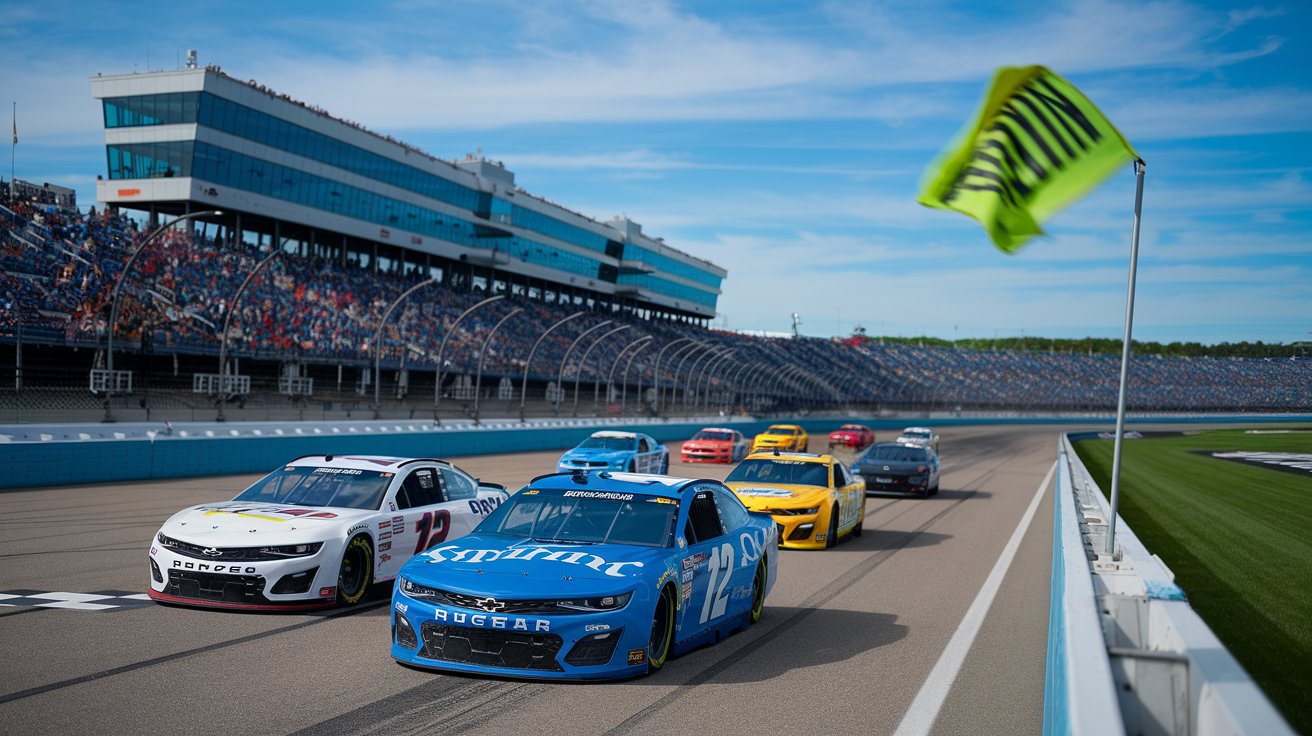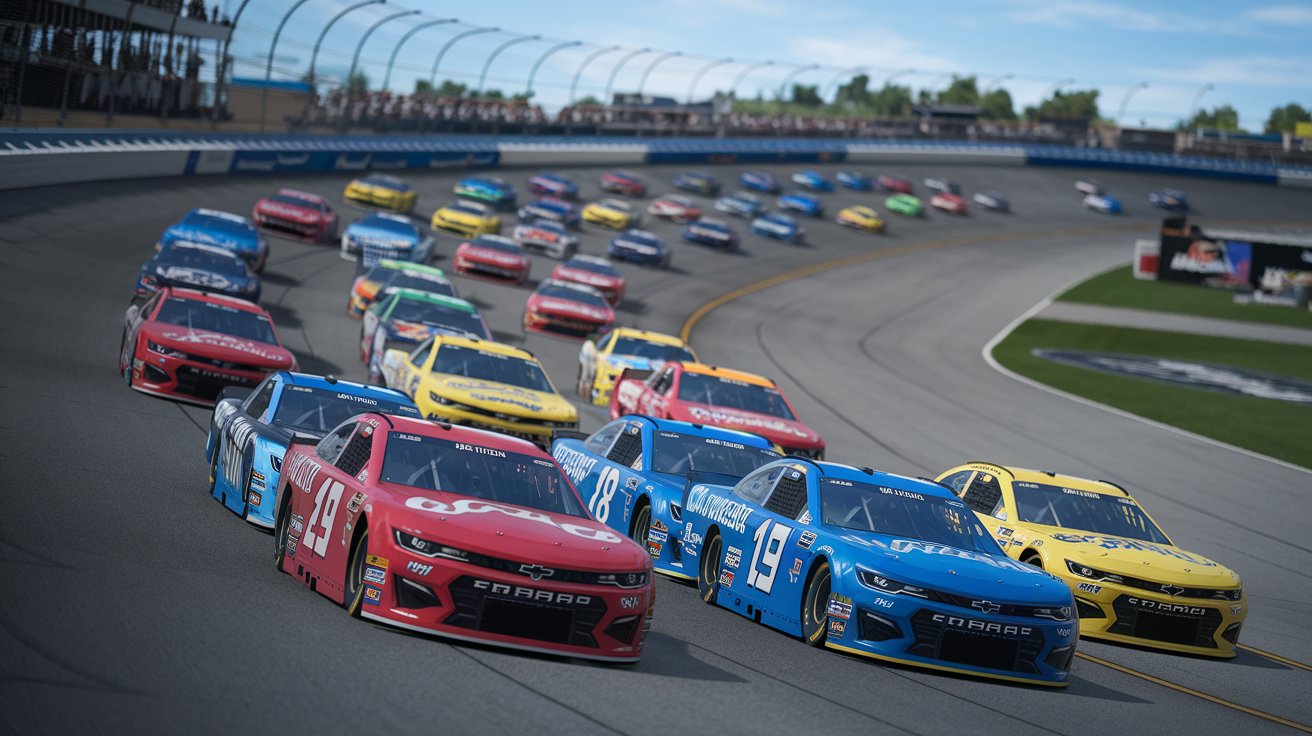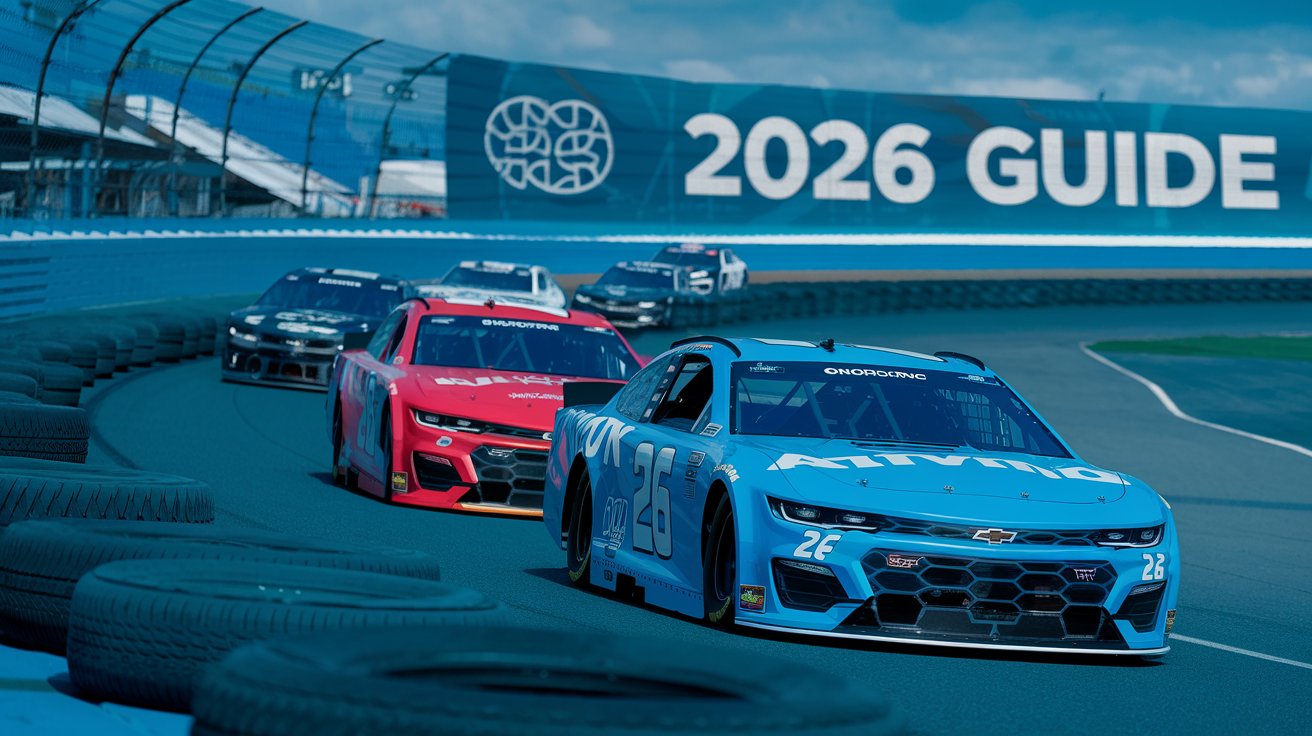
NASCAR race cars currently produce approximately 670 horsepower in their standard configuration using the Next Gen engine package introduced in 2022. This represents a strategic balance between competitive racing, safety considerations, and cost management across the sport. Throughout NASCAR’s history, horsepower levels have varied significantly, ranging from over 900 HP in the unrestricted 1980s to today’s controlled specifications that prioritize close competition and driver safety while maintaining the thrilling speeds fans expect.
Current NASCAR Horsepower in 2026
As of 2026, NASCAR Cup Series cars generate approximately 670 horsepower at most tracks using the standard engine package. This power output comes from a naturally aspirated 5.86-liter V8 engine that represents NASCAR’s commitment to balanced competition. The Next Gen car platform, which debuted in 2022, continues to use this power configuration for the majority of races on the schedule.
The engine specifications include a 358 cubic inch displacement V8 engine with push-rod architecture, electronic fuel injection, and a single four-barrel throttle body. These engines rev to approximately 9,000 RPM and produce their peak power at around 8,500 RPM. NASCAR mandates strict technical specifications to ensure parity among manufacturers, with sealed engines preventing teams from making unauthorized modifications that could create competitive advantages.
Standard Track Configuration
On intermediate tracks and short tracks, NASCAR vehicles utilize the 670 horsepower package without restrictor plates or tapered spacers that significantly limit airflow. This configuration applies to facilities like Atlanta Motor Speedway, Las Vegas Motor Speedway, and Richmond Raceway. The standard engine setup allows drivers to experience maximum acceleration out of corners while maintaining speeds between 160-190 mph depending on track configuration and banking angles.
Superspeedway Restrictor Plate Racing
At superspeedway tracks like Daytona International Speedway and Talladega Superspeedway, NASCAR implements tapered spacers that reduce engine output to approximately 510-550 horsepower. This restriction prevents cars from achieving dangerously high speeds that could compromise safety. Despite the reduced power, vehicles still reach speeds exceeding 200 mph through aerodynamic drafting techniques. The restrictor plate concept has evolved over decades to balance competitive racing with crash safety considerations.
NASCAR Horsepower Through Different Eras
Understanding NASCAR horsepower by year reveals how the sport has evolved its technical regulations to address safety, competition, and entertainment factors. The progression from unrestricted engines producing over 900 HP to today’s controlled specifications reflects NASCAR’s response to changing priorities and technological capabilities within motorsports.
NASCAR Horsepower 1970s Era
During the 1970s NASCAR horsepower era, engines commonly produced between 600-700 horsepower depending on track type and specific regulations. The 1970 season saw some of the most powerful engines in NASCAR history before the 1971 mandate reduced engine displacement from 429-430 cubic inches to 358 cubic inches. Cars like Richard Petty’s Plymouth Superbird and Bobby Isaac’s Dodge Daytona pushed boundaries with aerodynamic designs and powerful engines that achieved record speeds. The oil crisis and subsequent regulations gradually reduced power outputs as NASCAR emphasized fuel efficiency alongside performance.
NASCAR Horsepower 1980s and 1990s
The 1980s represented the peak horsepower era for NASCAR, with unrestricted engines producing 850-900+ horsepower. Bill Elliott’s qualifying run at Talladega in 1987 reached 212.809 mph, prompting NASCAR to implement restrictor plates for safety. The NASCAR horsepower 1990 specifications saw continued high output on non-restricted tracks, with engines producing 750-850 HP. Teams employed advanced metallurgy, computer-aided design, and dyno testing to extract maximum power. By the late 1990s, typical race engines delivered approximately 750 horsepower on intermediate tracks, though superspeedways remained restricted.
NASCAR Horsepower 2000-2010 Period
During the NASCAR horsepower 2000 to 2010 timeframe, engines produced approximately 750-850 horsepower on unrestricted tracks. The introduction of the Car of Tomorrow in 2007 maintained similar power levels while improving safety through enhanced roll cage designs and energy-absorbing materials. NASCAR horsepower 2010 specifications remained consistent with this approach, delivering around 850 HP on standard configurations. Engine builders refined combustion chamber designs, camshaft profiles, and exhaust systems to maximize power within NASCAR’s increasingly stringent technical specifications and inspection protocols.
When Did NASCAR Have 900 Horsepower?
NASCAR engines achieved 900+ horsepower primarily during the mid-to-late 1980s before restrictor plates became mandatory at superspeedways. The unrestricted era allowed engine builders to push technological boundaries without significant airflow limitations. Teams utilized advanced cylinder head designs, high-compression ratios, aggressive camshaft timing, and specialized fuel mixtures to extract maximum power from the 358 cubic inch V8 platform.
Bill Elliott’s legendary 1987 qualifying run at Talladega, where he became the first driver to exceed 210 mph, epitomized this high-horsepower period. Engineers estimate his Ford Thunderbird produced between 900-920 horsepower during that historic run. The subsequent implementation of restrictor plates reduced power to approximately 450-500 HP at superspeedways, fundamentally changing racing dynamics. Some teams continued producing near-900 HP on unrestricted tracks through the early 1990s before gradual regulation tightening reduced outputs.
Did NASCAR Ever Have 1000 Horsepower?
While NASCAR never officially documented production race engines exceeding 1,000 horsepower during sanctioned competition, some experimental and qualifying engines may have approached this threshold during the unrestricted 1980s. The practical limit for naturally aspirated 358 cubic inch V8 engines with period-appropriate technology topped out around 920-950 horsepower before reliability concerns and diminishing returns made further gains impractical.
Modern NASCAR engines with current regulations and the 670 horsepower standard package remain substantially below the 1,000 HP mark. However, if NASCAR removed all restrictions and allowed teams unlimited development budgets with modern materials, computer simulation, and advanced fuel systems, contemporary engine builders could theoretically achieve 1,000+ horsepower. The sanctioning body intentionally prevents such development to maintain cost controls and competitive parity among teams while preserving the fundamental character of stock car racing.
How Fast Can a NASCAR Go From 0 to 60?
A NASCAR Cup Series car accelerates from 0 to 60 mph in approximately 3.4 to 3.8 seconds depending on track conditions, tire compound, and setup configurations. This acceleration rate surpasses most production sports cars despite NASCAR’s considerable weight of approximately 3,400 pounds with driver. The combination of 670 horsepower, rear-wheel drive, and racing slicks provides exceptional grip and launch capability.
The four-speed manual transmission in NASCAR vehicles requires precise clutch engagement and quick shifting to optimize acceleration. Drivers typically launch at around 5,000-6,000 RPM to balance wheel spin with forward momentum. Track temperature significantly affects 0-60 times, as warmer asphalt provides better tire adhesion. While NASCAR vehicles excel in acceleration, their true performance advantage emerges in sustained high-speed cornering and top-speed capabilities, where aerodynamic efficiency and horsepower enable consistent 180+ mph speeds on superspeedways.
NASCAR Engine Specifications and Technology
The Next Gen NASCAR engine represents sophisticated naturally aspirated V8 technology optimized for endurance, reliability, and controlled performance. These engines feature cast-iron cylinder blocks, aluminum cylinder heads, and push-rod valve actuation rather than overhead camshafts. The single four-barrel throttle body replaced traditional carburetors in 2012, providing better fuel efficiency and more precise air-fuel mixture control through electronic fuel injection.
Each engine undergoes rigorous inspection and sealing procedures to prevent unauthorized modifications. NASCAR assigns engines to teams through a lottery system managed by the sanctioning body, ensuring no team gains unfair advantages through preferential engine allocation. The 5.86-liter displacement remains optimal for balancing power output with mechanical durability required for 500-mile races. Compression ratios typically range from 12:1 to 13:1, significantly higher than production vehicles but necessary for extracting maximum naturally aspirated power.
Engine Building and Maintenance
Professional NASCAR engine builders spend approximately 80-100 hours assembling each competition engine with tolerances measured in thousandths of an inch. Teams employ dedicated engine shops with dyno testing facilities to validate power output and reliability before track installation. Each engine costs approximately $60,000-$100,000 to build, with teams maintaining inventories of 20-30 engines for a full season of competition.
Engines typically undergo complete rebuilds after 800-1,200 miles of competition use, depending on track severity and racing conditions. Superspeedway engines with restrictor plates experience less internal stress and often achieve longer service intervals than unrestricted engines used on intermediate tracks. Teams meticulously track each engine’s performance history, rotating units strategically between practice, qualifying, and race sessions to optimize both performance and longevity throughout the season.
Manufacturer Differences
NASCAR currently features engines from Chevrolet, Ford, and Toyota, with each manufacturer developing power plants within NASCAR’s strict technical specifications. While external dimensions and visual characteristics differ to maintain brand identity, internal specifications remain tightly controlled to ensure parity. All three manufacturers produce approximately 670 horsepower within a narrow tolerance band, typically varying by less than 5 HP.
The parity rules prevent any single manufacturer from dominating through superior engine performance, shifting competitive advantages to chassis setup, aerodynamics, and driver skill. Each manufacturer operates multiple engine-building partnerships with race teams, including Hendrick Motorsports and Richard Childress Racing for Chevrolet, Roush Yates Engines for Ford, and Toyota Racing Development for Toyota entries. These partnerships invest millions annually in research and development to find legal performance advantages within NASCAR’s restrictive framework.
NASCAR Horsepower Compared to Other Racing Series
Compared to other premier motorsports series, NASCAR’s 670 horsepower positions it in the mid-range of professional racing power outputs. Formula 1 hybrid power units produce approximately 1,000+ horsepower combining internal combustion engines with electric motors. IndyCar engines generate around 700-750 horsepower from 2.2-liter twin-turbocharged V6 engines, slightly exceeding NASCAR’s naturally aspirated output despite significantly smaller displacement.
The key distinction involves power-to-weight ratios where NASCAR vehicles weigh approximately 3,400 pounds compared to Formula 1 cars at 1,760 pounds and IndyCars at 1,645 pounds. This weight difference fundamentally changes acceleration, braking, and cornering dynamics. NASCAR’s heavier vehicles with naturally aspirated engines create a unique racing style emphasizing drafting, physical driving demands, and sustained high-speed oval racing that differentiates it from road-racing-focused series.
The Impact of Horsepower on NASCAR Racing Strategy
Engine horsepower directly influences race strategy decisions regarding fuel consumption, drafting techniques, and track position management. Teams with optimal engine performance can maintain higher speeds on straightaways, exit corners faster, and defend positions more effectively. The 670 horsepower specification creates scenarios where aerodynamic efficiency becomes equally important as raw power, forcing teams to balance mechanical grip, downforce, and engine performance.
Crew chiefs develop race strategies accounting for horsepower delivery across RPM ranges, selecting gear ratios that keep engines in optimal power bands during corner exit acceleration. The restrictor plate racing at superspeedways creates entirely different strategic considerations, where drafting partnerships and aerodynamic positioning override raw horsepower advantages. Teams must adapt approaches between unrestricted and restricted tracks, demonstrating versatility in both engine management and tactical decision-making throughout the 36-race Cup Series schedule.
NASCAR Engine for Sale: Cost and Availability
Used NASCAR engines for sale occasionally appear on the secondary market, typically ranging from $15,000-$45,000 depending on condition, rebuild status, and provenance. These engines come from teams selling surplus inventory, outdated specifications, or units approaching rebuild intervals. Buyers include racing enthusiasts, vintage NASCAR competitors, and collectors seeking authentic Cup Series components for display or alternative racing applications.
Complete race-ready NASCAR engines from current specifications remain largely unavailable to general consumers due to NASCAR’s controlled distribution system and manufacturer partnerships with professional teams. The engines require specialized knowledge for operation and maintenance, including proper break-in procedures, specific fuel requirements, and compatible engine management systems. Prospective buyers should verify legality for intended use, as some engines may have restrictions preventing competition in certain racing series or require modifications for street-legal operation.
Future of NASCAR Horsepower Regulations
NASCAR’s future horsepower specifications may evolve as the sport explores sustainable technologies and maintains relevance with automotive industry trends. The sanctioning body has discussed potential hybrid power integration, which could supplement naturally aspirated V8 engines with electric motors for additional power and improved efficiency. Such systems might increase total power output to 800-900+ horsepower while demonstrating environmental responsibility.
The Next Gen platform provides flexibility for technological evolution without requiring complete vehicle redesigns. NASCAR monitors fan preferences, team costs, and competitive balance when considering regulation changes. Any significant horsepower modifications would likely phase in gradually, potentially beginning with exhibition events before full integration into points-paying races. The organization remains committed to maintaining the distinctive sound and character of naturally aspirated V8 engines that define NASCAR’s identity while embracing innovations that enhance competition and sustainability for future generations.
Related video about how much horsepower does a nascar have
This video complements the article information with a practical visual demonstration.
What you should know
How much horsepower does a NASCAR have in 2026?
NASCAR Cup Series cars produce approximately 670 horsepower in 2026 using the standard Next Gen engine package at most tracks. This power comes from a naturally aspirated 5.86-liter (358 cubic inch) V8 engine with electronic fuel injection. At superspeedway tracks like Daytona and Talladega, restrictor plates reduce output to approximately 510-550 horsepower for safety reasons. The current specifications balance competitive racing, cost management, and driver safety while maintaining the thrilling speeds and close competition that NASCAR fans expect throughout the season.
What was the highest horsepower NASCAR ever produced?
NASCAR engines reached their peak horsepower levels during the mid-to-late 1980s, producing approximately 900-920 horsepower in unrestricted configurations. Bill Elliott’s record-setting 212.809 mph qualifying run at Talladega in 1987 exemplified this high-power era. Following this run, NASCAR implemented mandatory restrictor plates at superspeedways to reduce speeds for safety considerations. Throughout the 1980s and early 1990s, engines on non-restricted tracks commonly produced 850-900 horsepower before gradual regulation changes reduced outputs to current levels prioritizing competition parity and cost controls.
How does NASCAR horsepower compare to street cars?
NASCAR’s 670 horsepower significantly exceeds most production vehicles, including performance cars. High-performance street cars like the Chevrolet Corvette Z06 produce around 670 HP, matching NASCAR output, while the Ford Mustang Shelby GT500 generates approximately 760 HP. However, NASCAR engines differ fundamentally through naturally aspirated design, racing-specific durability requirements, and optimization for sustained high-RPM operation over 500-mile races. Production vehicles prioritize streetability, emissions compliance, and reliability over 100,000+ miles, while NASCAR engines focus exclusively on maximum performance and durability within controlled competition specifications.
Why did NASCAR reduce horsepower from 900 to 670?
NASCAR reduced horsepower from peak 900+ HP levels to the current 670 HP specification for multiple strategic reasons. Primary factors include enhanced safety through lower speeds and reduced crash severity, improved competitive balance by limiting engineering advantages between well-funded and smaller teams, and significant cost reduction as teams no longer pursue expensive horsepower development. The lower output also creates closer racing with more passing opportunities, as cars spend less time at maximum speeds and more time in transitional acceleration zones where driver skill becomes more influential than pure power advantages.
How often do NASCAR teams rebuild their engines?
NASCAR teams typically rebuild engines after approximately 800-1,200 competition miles depending on track type and racing conditions. Superspeedway engines with restrictor plates experience less internal stress and often achieve longer service intervals than unrestricted engines used on intermediate tracks. Each complete rebuild requires 80-100 hours of labor and costs approximately $60,000-$100,000. Teams maintain inventories of 20-30 engines per season, strategically rotating units between practice, qualifying, and race sessions. This rotation optimizes both performance and longevity while ensuring backup engines are available for unexpected failures or crash damage.
Can you buy a NASCAR engine for personal use?
Used NASCAR engines occasionally become available on the secondary market, typically priced between $15,000-$45,000 depending on condition and rebuild status. These engines come from teams selling surplus inventory or outdated specifications. However, current race-ready engines remain largely unavailable to general consumers due to NASCAR’s controlled distribution system. Prospective buyers should understand these engines require specialized knowledge for operation, specific high-octane racing fuel, compatible engine management systems, and regular professional maintenance. Additionally, these engines may have restrictions preventing competition in certain racing series and typically require significant modifications for any street-legal applications.
| Era/Configuration | Horsepower Range | Key Characteristics |
|---|---|---|
| Current 2026 Standard | 670 HP | Next Gen engine, balanced competition, cost controlled |
| 2026 Superspeedway | 510-550 HP | Restrictor plates for safety, drafting emphasis |
| 1980s Peak Era | 900+ HP | Unrestricted engines, record speeds, pre-safety regulations |
| 1990s-2010s | 750-850 HP | Gradual regulation tightening, improved safety standards |
| 1970s Era | 600-700 HP | Post-displacement reduction, aerodynamic innovations |