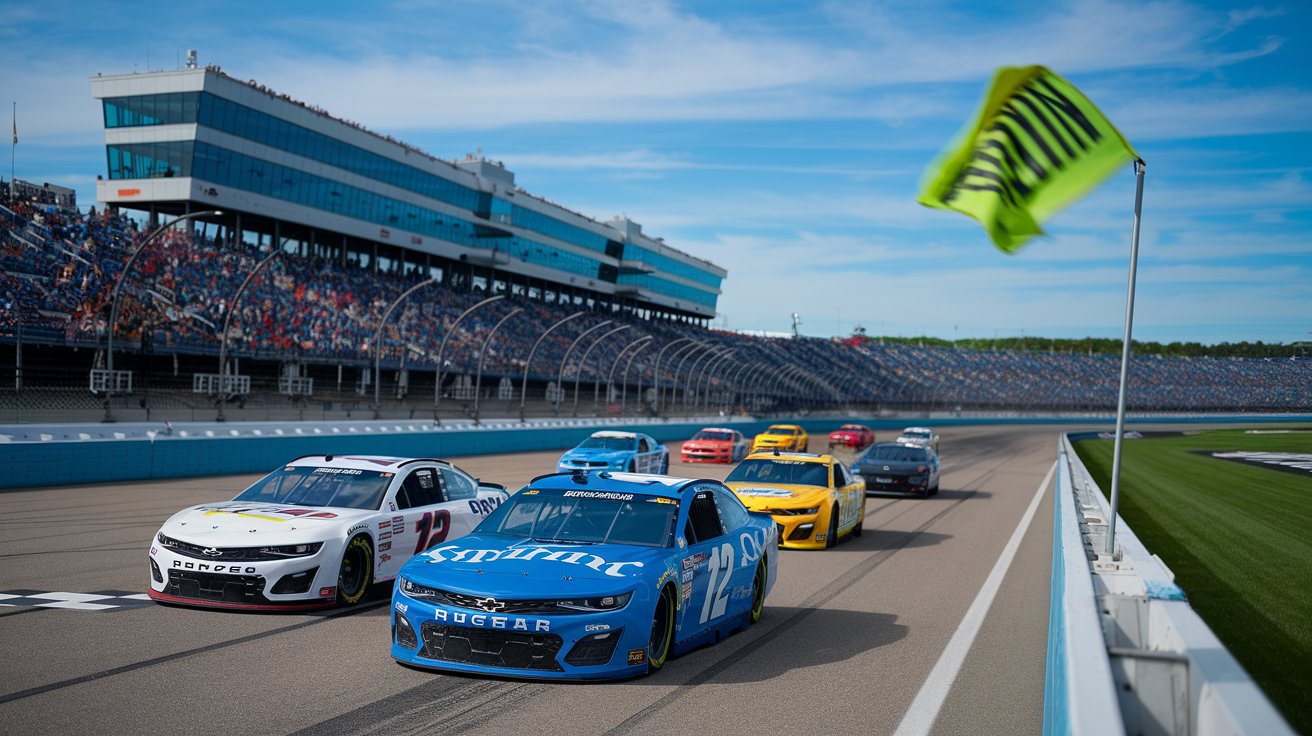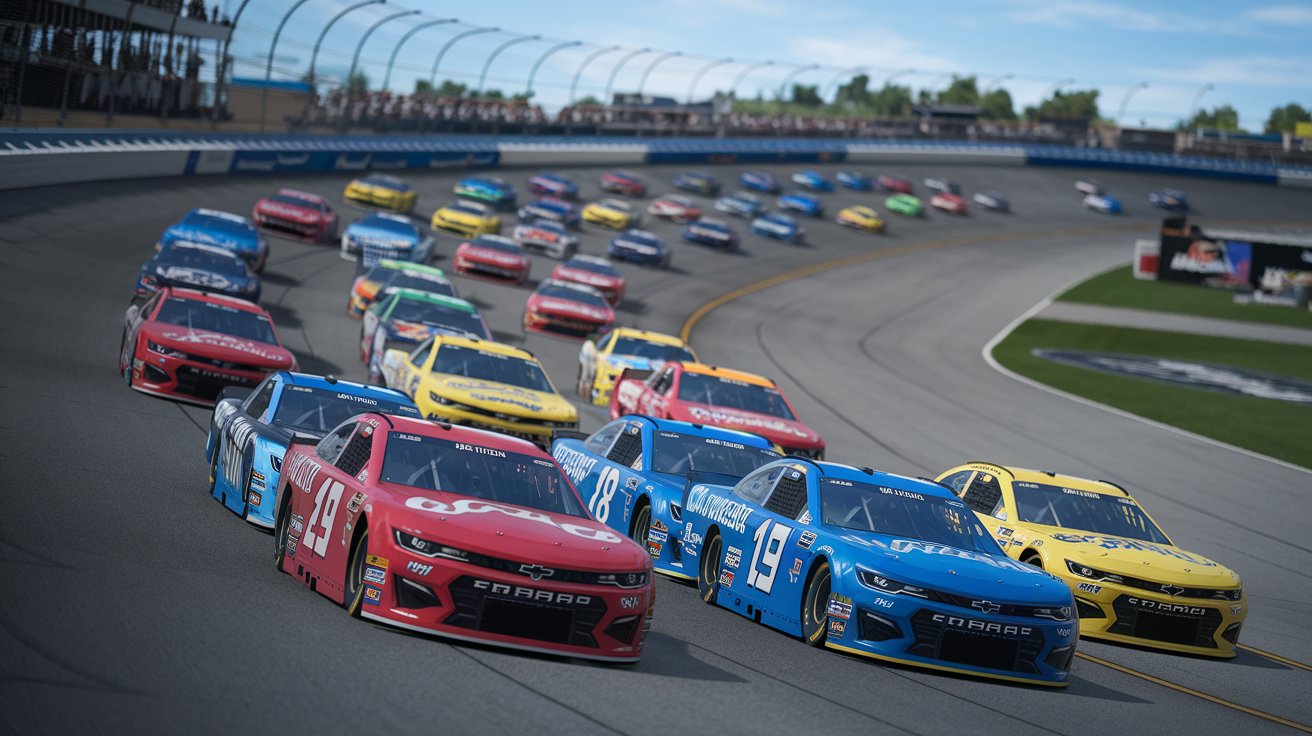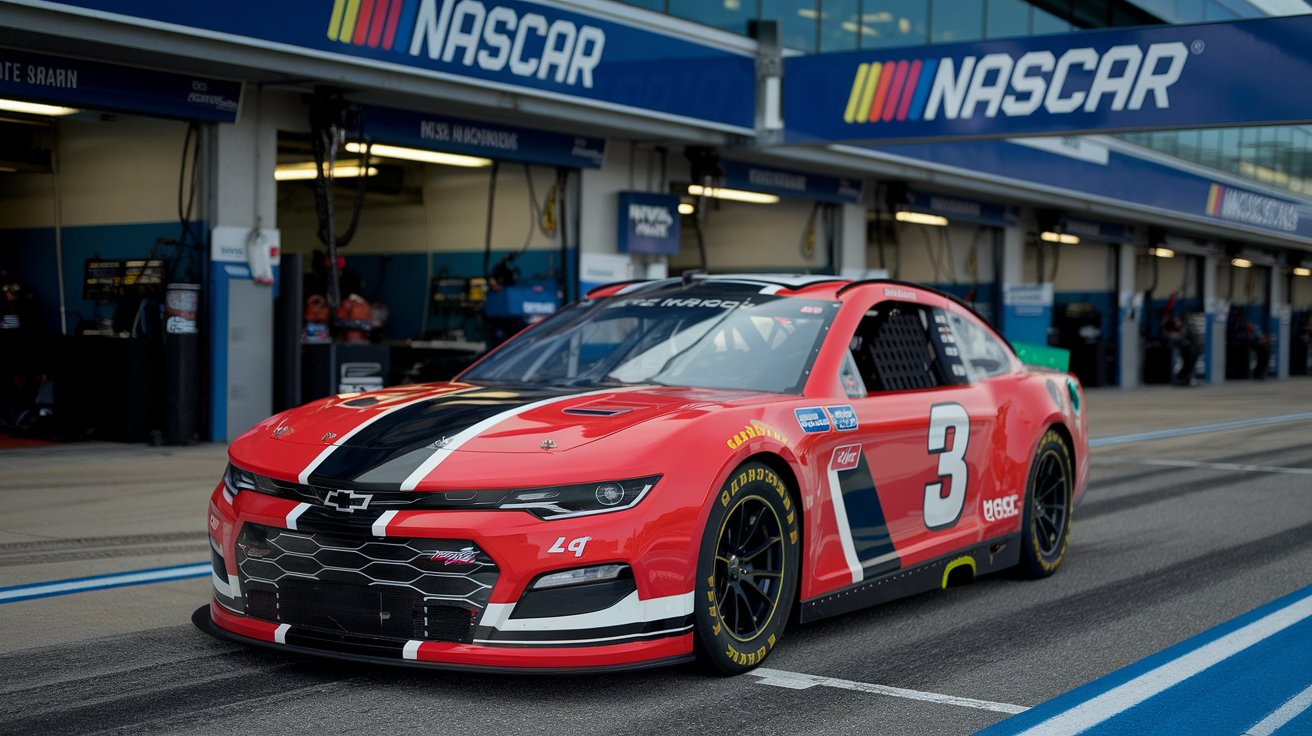
A NASCAR Cup Series race car costs between $400,000 and $600,000 to build in 2026, excluding the engine. When factoring in the engine, which runs an additional $100,000 to $150,000, total costs reach $500,000 to $750,000 per vehicle. Top NASCAR teams maintain fleets of 15-20 cars, with annual racing budgets exceeding $20 million just for vehicle construction and maintenance. Understanding these costs reveals the massive financial commitment required to compete at NASCAR’s highest level.
Complete NASCAR Car Cost Breakdown for 2026
The total cost of a NASCAR race car varies significantly based on series level and team resources. Cup Series cars represent the pinnacle of NASCAR technology with Next Gen specifications that became mandatory in 2022 and continue through 2026. These standardized components were designed to reduce costs while maintaining competitive racing, though building a race-ready car still requires substantial investment. The chassis alone accounts for the largest single expense, followed by engine costs that teams must carefully manage throughout the season.
Manufacturing a NASCAR Cup Series chassis costs between $250,000 and $350,000 in 2026, depending on the approved supplier. The body panels, constructed from composite materials for improved safety and reduced weight, add another $70,000 to $100,000. Suspension components, specifically designed for oval track racing with adjustable camber and toe settings, contribute approximately $50,000 to the total. Teams typically order multiple chassis annually, as damage from crashes and wear from competition necessitate regular replacements throughout the 36-race season.
NASCAR Engine Costs and Specifications
A single NASCAR Cup Series engine costs between $100,000 and $150,000 in 2026, representing one of the most expensive consumable components in racing. These naturally aspirated V8 engines produce approximately 670 horsepower on most tracks and 510 horsepower on superspeedways with restrictor plates. NASCAR teams cannot use the same engine for multiple races due to the extreme stress of sustained high-RPM operation, meaning successful teams invest millions annually in engine programs. Top organizations maintain their own engine shops with specialized technicians, while smaller teams lease engines from certified suppliers to reduce costs.
Engine Rebuild and Maintenance Expenses
Between races, NASCAR engine rebuilds cost $30,000 to $50,000 depending on the extent of wear and component replacement needed. Teams perform comprehensive inspections after each race, measuring tolerances on pistons, crankshafts, and valvetrain components to determine which parts require replacement. A Cup Series team running the full schedule spends $2 million to $4 million annually on engine program costs, including new builds, rebuilds, dyno testing, and specialized personnel. This represents approximately 10-15% of a top team’s total annual racing budget, making engine management a critical financial consideration for competitive operations.
Engine Supplier Partnerships in 2026
Many NASCAR teams purchase engines from established racing engine manufacturers rather than building in-house. Companies like Hendrick Motorsports Engine Shop, Roush Yates Engines, and TRD (Toyota Racing Development) supply engines to multiple teams under lease agreements. These partnerships typically cost $3 million to $5 million per season for a full engine program, including race engines, backup engines, practice engines, and technical support. The lease model allows smaller teams to compete with manufacturer-backed quality while avoiding the massive capital investment required to establish an in-house engine shop with dynometers, CNC machining centers, and specialized engineering staff.
NASCAR Next Gen Car Components and Pricing
The Next Gen NASCAR platform introduced standardized components that changed the cost structure of Cup Series racing in 2022. Independent rear suspension, replacing the traditional solid rear axle, costs approximately $25,000 per car and requires specialized setup knowledge. The 18-inch aluminum wheels with single center-lock nuts, supplied exclusively by BBS, cost $4,000 per set, with teams using multiple sets per race weekend. The sequential six-speed transaxle, manufactured by Xtrac, represents a $50,000 investment per unit and significantly differs from the four-speed transmissions used in previous NASCAR generations.
Additional Next Gen standardized parts include the carbon fiber undertray for improved aerodynamics at $15,000, the symmetrical body shape that reduces side-force advantages at $20,000 for complete body panels, and the composite rear bumper designed for reduced repair costs at $8,000. Safety components like the larger roll cage structure add $30,000 to chassis costs but provide enhanced driver protection. Teams must purchase these spec parts from NASCAR-approved suppliers, eliminating previous competitive advantages but ensuring cost predictability across the field.
How Much Does a NASCAR Truck Cost
NASCAR Craftsman Truck Series vehicles cost significantly less than Cup Series cars, ranging from $200,000 to $300,000 for a complete race-ready truck in 2026. These trucks use similar V8 engines producing approximately 650 horsepower, with engine costs between $70,000 and $100,000. The chassis construction uses simpler specifications compared to Cup cars, and body panels utilize more traditional sheet metal rather than composite materials. Truck Series teams typically operate with smaller budgets, making this series more accessible for developing drivers and smaller racing organizations.
The Truck Series represents NASCAR’s most cost-effective national touring series, with complete season budgets ranging from $2 million to $8 million depending on team goals. While significantly less expensive than Cup Series operations, successful Truck teams still require multiple vehicles, dedicated haulers, professional crew members, and extensive spare parts inventory. Many teams compete part-time to reduce costs, focusing resources on specific tracks where they have competitive advantages. This strategic approach allows smaller organizations to maintain competitive equipment while managing financial constraints.
Annual Team Budget Requirements
Operating a competitive NASCAR Cup Series team requires annual budgets between $15 million and $30 million per car in 2026. Top multi-car organizations like Hendrick Motorsports, Joe Gibbs Racing, and Team Penske operate with total annual budgets exceeding $100 million when running four full-time entries. These budgets cover not just vehicle construction but also personnel salaries, transportation costs, facility expenses, research and development, and spare parts inventory. The largest line item after personnel is typically vehicle construction and maintenance, consuming 25-35% of total team budgets at competitive organizations.
Personnel and Operational Costs
Beyond vehicle costs, NASCAR team personnel expenses represent the largest budget component at competitive organizations. A single Cup Series team employs 25-40 full-time staff including crew members, engineers, mechanics, fabricators, and support personnel. Combined salaries for a competitive team range from $4 million to $8 million annually, with elite crew chiefs earning $500,000 to $1 million per season. Transportation costs for hauling cars, equipment, and personnel to 36 races add $1 million to $2 million yearly, while facility expenses including shop leases, utilities, and equipment maintenance contribute another $1 million to $3 million to annual budgets.
Spare Parts and Inventory Investment
Competitive NASCAR teams maintain extensive spare parts inventories valued between $3 million and $6 million to ensure rapid repairs and continuous development. Teams stock multiple complete suspension setups for different track types, dozens of gear ratios for the transaxle, backup body panels for all manufacturers, and complete brake systems ready for immediate installation. Crash damage represents unpredictable expenses, with significant incidents costing $150,000 to $400,000 in parts and labor to rebuild a car. Teams budget approximately $2 million annually for crash-related expenses and component replacement beyond normal wear items.
NASCAR Car Weight and Technical Specifications
The minimum weight for NASCAR Cup Series cars in 2026 is 3,400 pounds with the driver, fuel, and all fluids included. This standardized weight applies to all manufacturers and teams, eliminating previous advantages from lighter chassis construction. The weight distribution must fall within NASCAR’s specified parameters, with 53-56% on the left side and specific front-to-rear ratios depending on track type. Teams use ballast placement to achieve optimal weight distribution while meeting minimum requirements, with strategic positioning affecting handling characteristics on different track configurations.
NASCAR strictly enforces weight requirements through pre-race and post-race inspections using certified scales. Cars found underweight face severe penalties including disqualification, points deductions, and crew chief suspensions. The standardized weight combined with Next Gen symmetrical body shapes has reduced the engineering advantage of large-budget teams, creating closer competition throughout the field. Teams still optimize weight distribution through ballast placement, suspension setup, and component selection within NASCAR’s technical specifications to maximize performance advantages.
How Much Does a Daytona 500 NASCAR Cost
Cars competing in the Daytona 500 cost no more than standard Cup Series vehicles, maintaining the $400,000 to $600,000 chassis price range in 2026. However, teams invest additional resources in superspeedway-specific components including restrictor plate engines tuned for 510 horsepower, specialized aerodynamic packages optimized for drafting, and superspeedway suspension setups designed for high-speed stability. The total investment for a Daytona 500 entry reaches $700,000 to $900,000 including the car, engine, and specialized components, representing teams’ most significant single-race investment of the season.
Teams typically dedicate specific chassis exclusively for superspeedway racing at Daytona and Talladega, as these tracks require unique setup characteristics compared to intermediate and short tracks. The aerodynamic optimization includes adjustments to the rear spoiler angle, front splitter height, and overall ride height to maximize drafting efficiency while maintaining stability at speeds exceeding 200 mph. Backup cars for the Daytona 500 represent additional investments of $700,000 or more, as teams cannot risk missing NASCAR’s most prestigious race due to practice or qualifying crashes.
Daytona 500 Winner Prize Money
The Daytona 500 winner receives approximately $2 million to $2.5 million in prize money for the 2026 race, representing NASCAR’s largest single-race payout. Total Daytona 500 purse distribution exceeds $15 million spread across all competing teams, with positions paying based on finishing order, laps completed, and special performance bonuses. Additional earnings come from NASCAR’s season-long television and sponsorship revenue sharing, championship points fund distributions, and manufacturer contingency programs that reward performance with approved parts and components.
Additional Revenue Streams for NASCAR Teams
Beyond prize money, NASCAR teams generate revenue through primary sponsorships worth $15 million to $25 million annually for top Cup Series cars, associate sponsorships adding $500,000 to $5 million each, and merchandise licensing agreements. Television rights distributions from NASCAR provide teams with $2 million to $10 million annually based on charter ownership, performance metrics, and team stability. Manufacturer support from Chevrolet, Ford, and Toyota contributes technical resources, parts subsidies, and direct financial support worth $5 million to $15 million for premier teams, creating essential funding streams beyond prize money to sustain competitive operations.
Charter Value and Ownership Economics
NASCAR Cup Series charters guarantee entry into all 36 points-paying races and provide revenue sharing from television contracts, making them valuable assets worth $30 million to $50 million in 2026. Teams purchase charters from existing owners or through NASCAR-facilitated transactions, creating significant capital requirements for new entries. Charter ownership ensures financial stability through guaranteed starting positions and revenue distributions, while non-chartered teams compete for four open starting positions each race without television revenue shares. The charter system introduced in 2016 fundamentally changed team economics, providing predictable revenue and asset value appreciation.
NASCAR Driver Salaries and Compensation
Top NASCAR Cup Series drivers earn $10 million to $20 million annually in base salary, with elite champions like Kyle Larson, Denny Hamlin, and Chase Elliott commanding higher compensation packages. Mid-tier competitive drivers earn $3 million to $8 million per season, while development drivers and those at smaller teams receive $500,000 to $2 million. Additional earnings from prize money distributions, personal sponsorships, merchandise royalties, and appearance fees can double these base salaries for popular drivers. The highest-compensated drivers in 2026 earn total packages exceeding $30 million when including all revenue streams.
Driver compensation represents approximately 15-25% of competitive team budgets, making it a significant expense alongside vehicle construction costs. Teams structure contracts with base salary guarantees plus performance incentives tied to race wins, championship points, and sponsor activation requirements. The investment in elite driver talent pays returns through improved race results, increased sponsorship value, and enhanced team reputation. Development programs invest $1 million to $3 million annually in young drivers through Xfinity Series and Truck Series opportunities, creating pipelines for future Cup Series talent.
Comparing NASCAR Series Costs
The three national NASCAR series have dramatically different cost structures, affecting team participation and competitive dynamics. Cup Series operations require $15 million to $30 million per car annually, Xfinity Series teams operate on $3 million to $12 million per car budgets, while Truck Series teams function with $2 million to $8 million per vehicle. These cost differences create development pathways for drivers and team personnel, allowing gradual progression through racing’s ranks while managing financial exposure. Many organizations compete across multiple series, leveraging shared resources, personnel, and technical knowledge to reduce per-series costs.
Vehicle construction costs follow similar proportional differences, with Xfinity Series cars costing $250,000 to $400,000 complete and Truck Series vehicles at $200,000 to $300,000. All three series use similar V8 engine architectures, though horsepower outputs and specific technical specifications differ by series. The NASCAR Xfinity Series serves as the primary development series, featuring a mix of young drivers seeking Cup Series opportunities and veteran drivers maintaining careers. Some teams operate profitably in lower series through sponsor relationships and careful budget management, while Cup Series participation almost universally requires external funding beyond team-generated revenue.
Related video about how much does a nascar car cost
This video complements the article information with a practical visual demonstration.
Your questions answered
How much does a NASCAR race car cost in 2026?
A NASCAR Cup Series race car costs between $400,000 and $600,000 for the chassis and components in 2026, excluding the engine. When including the engine, which costs an additional $100,000 to $150,000, the total price reaches $500,000 to $750,000 per complete race-ready vehicle. These costs reflect the Next Gen specifications introduced in 2022, which standardized many components across teams while maintaining competitive performance levels.
What is the most expensive part of a NASCAR car?
The chassis represents the most expensive single component at $250,000 to $350,000, followed closely by the engine at $100,000 to $150,000. The chassis includes the roll cage structure, frame rails, suspension mounting points, and all integrated safety systems required by NASCAR regulations. Body panels add another $70,000 to $100,000, while the Next Gen transaxle costs approximately $50,000 per unit, making these three components the primary cost drivers in modern NASCAR construction.
How much does it cost to run a NASCAR team for one season?
Running a competitive NASCAR Cup Series team for one full season costs between $15 million and $30 million per car in 2026. This budget covers vehicle construction and maintenance, engine programs, personnel salaries, transportation, facility costs, and spare parts inventory. Top multi-car teams operating four entries spend over $100 million annually, while smaller single-car operations can compete with budgets starting around $12 million by purchasing technical alliances and limiting development programs.
Do NASCAR teams build multiple cars?
Yes, competitive NASCAR Cup Series teams maintain fleets of 15-20 cars per full-time entry to accommodate different track types and provide backup vehicles. Teams designate specific chassis for superspeedways, intermediate tracks, short tracks, and road courses, with each configuration optimized for its intended use. The investment in multiple cars reaches $6 million to $12 million per team in chassis inventory alone, not including engines, which are rotated based on usage and rebuild schedules throughout the 36-race season.
How much does a NASCAR engine last?
NASCAR Cup Series engines typically last one race plus practice sessions before requiring complete rebuilds, as the extreme stress of sustained high-RPM operation causes measurable wear on internal components. In 2026, engines produce 670 horsepower on most tracks and run at 9,000 RPM for extended periods, creating thermal and mechanical stresses that exceed normal durability limits. Teams perform comprehensive inspections after each race, with most engines receiving $30,000 to $50,000 rebuilds or complete replacement to maintain competitive performance and reliability.
Can you buy a real NASCAR race car?
Yes, teams occasionally sell retired race cars to private collectors and racing enthusiasts, with prices ranging from $75,000 to $200,000 depending on the car’s race history and condition. These vehicles typically come without engines and may have components removed per NASCAR regulations to prevent unauthorized competition use. However, purchasing a retired NASCAR requires significant additional investment for transportation, display, or potential use in vintage racing events, plus these cars cannot be registered for street use under United States road regulations.
| Cost Component | 2026 Price Range | Key Considerations |
|---|---|---|
| Cup Series Chassis | $250,000 – $350,000 | Includes Next Gen specifications and safety systems |
| Racing Engine | $100,000 – $150,000 | 670 HP, requires rebuild after each race |
| Complete Race Car | $500,000 – $750,000 | Full race-ready vehicle with all components |
| Annual Team Budget | $15M – $30M per car | Includes personnel, operations, and development |
| Truck Series Car | $200,000 – $300,000 | Lower-cost entry point to NASCAR racing |
| Engine Lease Program | $3M – $5M per season | Full-season support from manufacturer suppliers |