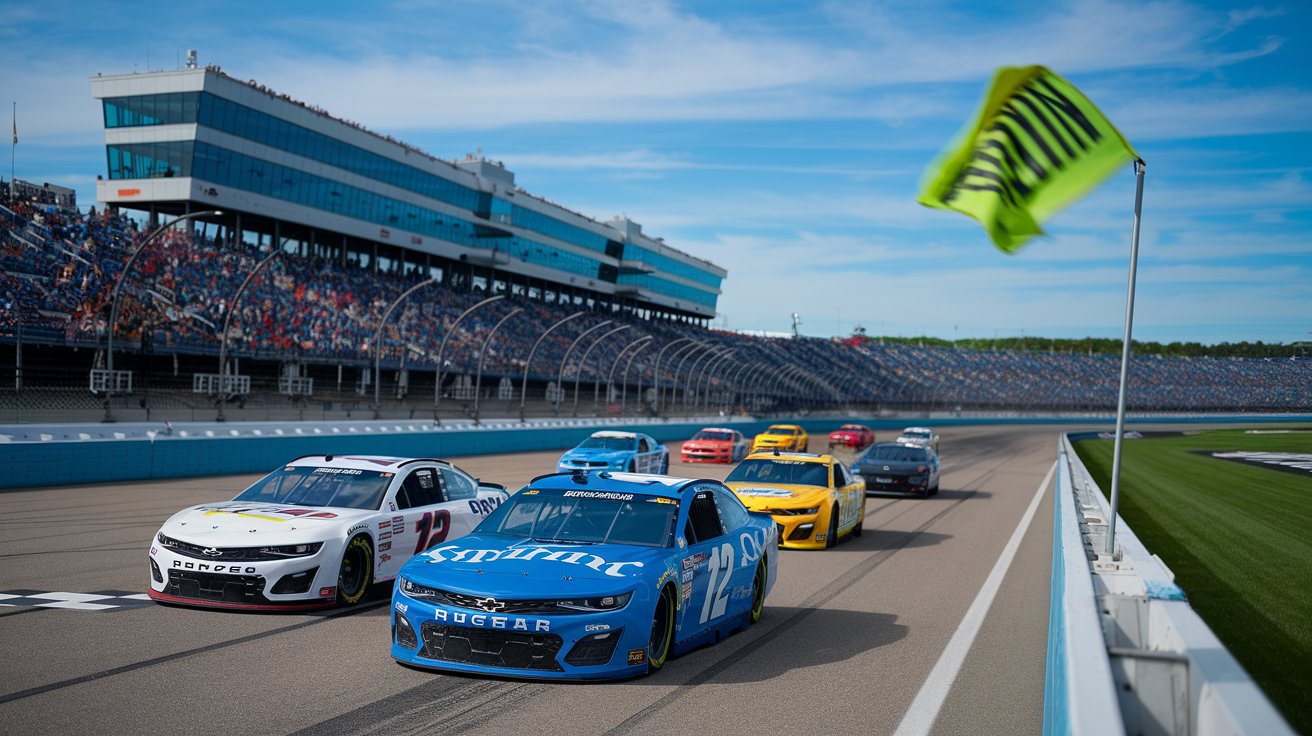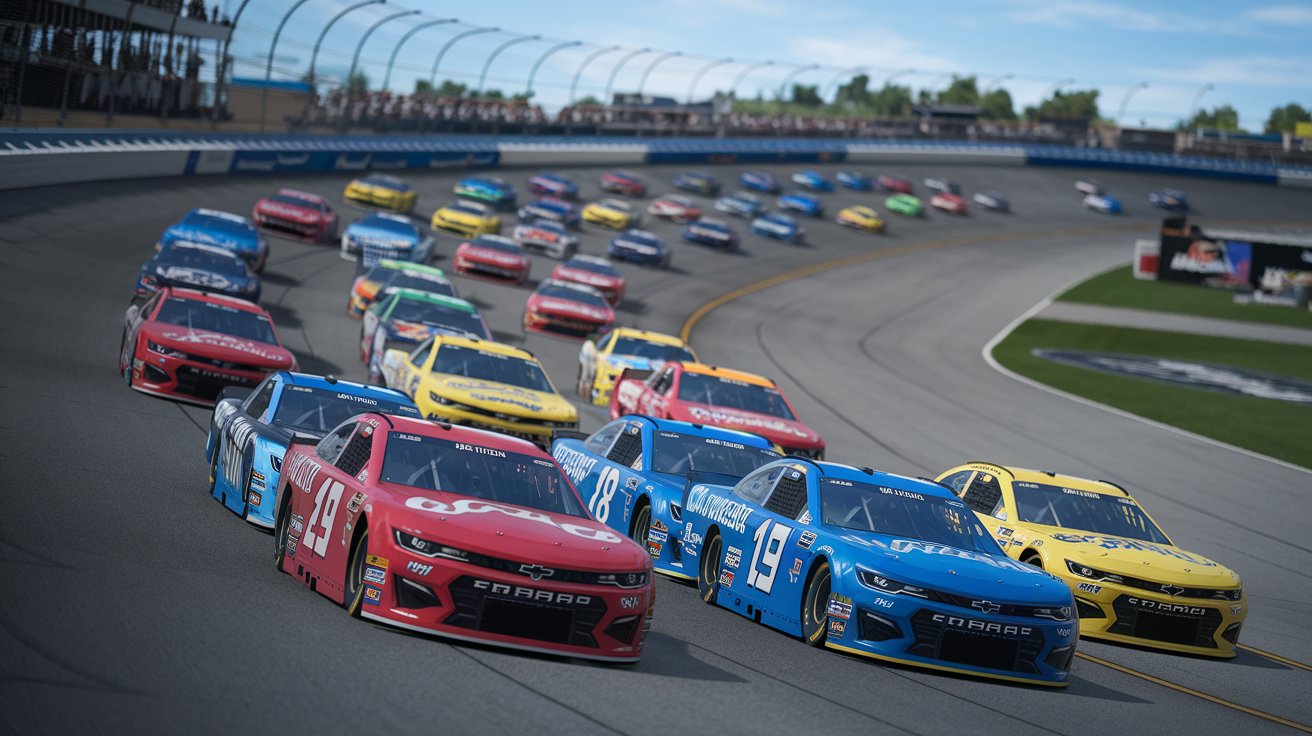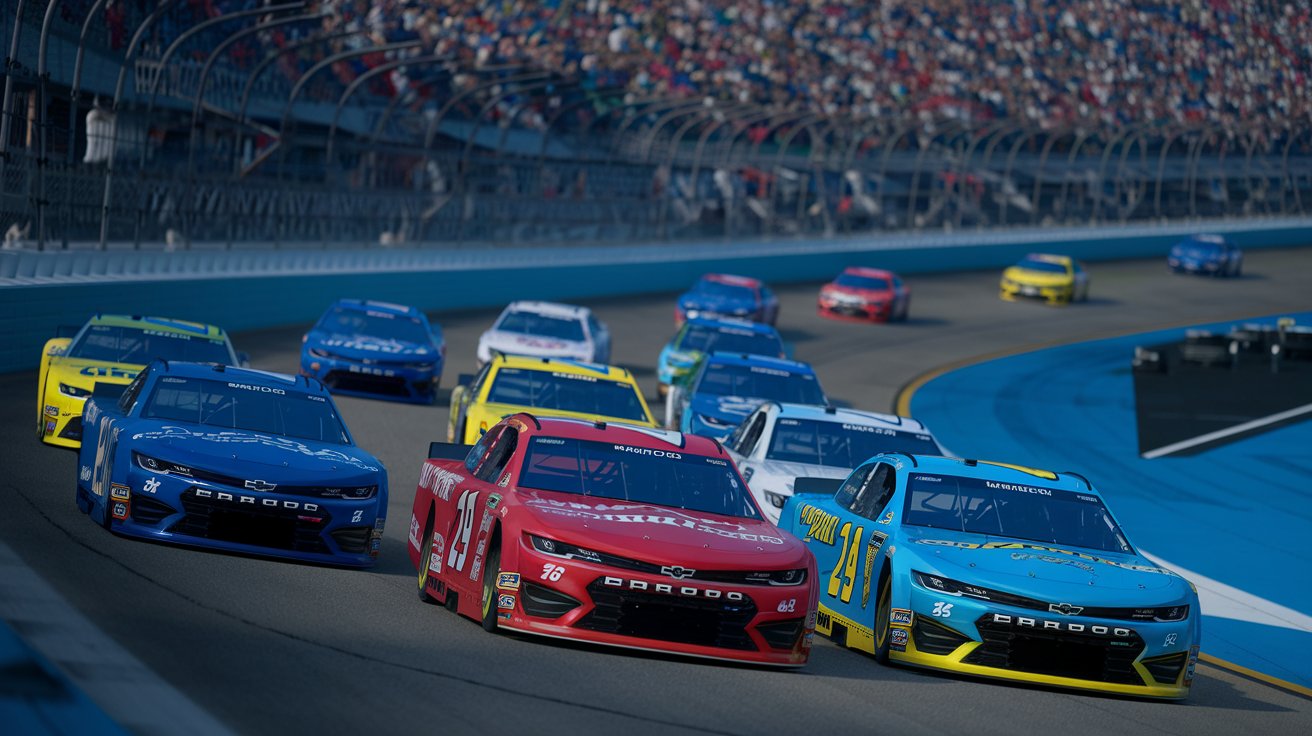
The question of whether all NASCAR cars are the same has a surprisingly complex answer. While NASCAR Cup Series vehicles share identical specifications under the Gen 7 regulations introduced in 2022 and refined through 2026, subtle differences in setup, tuning, and manufacturer-specific aerodynamics create competitive advantages. Every car must meet strict technical requirements for chassis, engine displacement, and safety features, yet teams find legal ways to optimize performance within these boundaries. Understanding what makes NASCAR cars both uniform and unique reveals the fascinating balance between standardization and competition in America’s premier stock car racing series.
NASCAR Gen 7 Standardization: The Foundation of Modern Racing
The NASCAR Gen 7 platform represents the most standardized era in Cup Series history. Introduced in 2022 and continuously refined through 2026, these vehicles feature a single-source chassis manufactured by Technique Inc., ensuring every car starts with identical structural components. The chassis specifications include a 110-inch wheelbase, independent rear suspension, and sequential gearbox that all teams must use without modification. This standardization addresses decades of escalating costs and creates a more competitive racing environment across all NASCAR tracks in the United States.
Each Gen 7 NASCAR car utilizes the same 5.86-liter V8 naturally aspirated engine, producing approximately 670 horsepower on most tracks and 510 horsepower on superspeedways with restrictor plates. The engines are built by approved manufacturers including ECR Engines, Roush Yates Engines, and TRD, but all must conform to identical displacement, bore, stroke, and compression ratio specifications. Teams cannot alter fundamental engine architecture, though NASCAR allows limited tuning within prescribed parameters to optimize performance for specific track conditions and racing strategies.
Manufacturer-Specific Differences in NASCAR Vehicles
While NASCAR cars share mechanical uniformity, the three current manufacturers—Chevrolet, Ford, and Toyota—differentiate their vehicles through body styling and aerodynamic packages. The Chevrolet Camaro ZL1, Ford Mustang Dark Horse, and Toyota Camry XSE each feature unique front fascias, rear spoilers, and hood designs that must pass NASCAR’s aerodynamic equivalency testing. These manufacturer-specific components create brand identity while maintaining competitive balance, ensuring no single manufacturer gains unfair advantage through body design alone.
The question of whether the NASCAR Camry is a real Camry highlights this distinction. The race car shares only superficial styling cues with the production sedan—the headlight decals, grille shape, and general silhouette create brand recognition for fans. Underneath, every Cup Series vehicle rides on the identical Gen 7 chassis with standardized suspension geometry, transmission, and safety cell construction. This approach allows NASCAR to maintain manufacturer diversity for marketing purposes while ensuring mechanical parity that emphasizes driver skill and team strategy over engineering advantages.
What Makes Each NASCAR Race Car Unique
Despite strict NASCAR technical regulations, teams create differentiation through setup adjustments permitted within the rulebook. Engineers modify spring rates, shock absorber settings, track bar positions, and tire pressures to optimize handling characteristics for specific circuits and weather conditions. These adjustments, combined with slight variations in weight distribution and downforce balance, mean that two cars from the same team can behave differently on track. The art of NASCAR car setup has become increasingly sophisticated in 2026, with simulation technology and data analytics helping teams extract maximum performance from standardized components.
Aerodynamic tuning represents another area where teams find competitive advantages within Gen 7 regulations. While body panels are standardized, NASCAR permits adjustments to rear spoiler angle, front splitter height, and side skirt positioning within specified ranges. Teams use wind tunnel testing and computational fluid dynamics to identify optimal configurations for different track types—road courses demand different aerodynamic balance than superspeedways or short tracks. These legal modifications, though measured in millimeters, can translate to significant lap time differences when multiplied across 200 to 400 laps in a NASCAR Cup Series race.
Top Speed Capabilities of Modern NASCAR Vehicles
The top speed of NASCAR race cars varies significantly based on track configuration and regulations. On unrestricted tracks like Michigan International Speedway and Auto Club Speedway, Gen 7 cars reach speeds of 195-200 miles per hour during qualifying runs. However, NASCAR mandates restrictor plates at Daytona International Speedway and Talladega Superspeedway, limiting engine airflow and reducing top speeds to approximately 195 mph for safety reasons. These plates create the signature pack racing that defines superspeedway events while preventing catastrophic accidents at higher velocities.
Road courses and short tracks see substantially lower top speeds due to their technical nature. At NASCAR road courses like Sonoma Raceway and Watkins Glen International, maximum speeds typically reach 120-160 mph depending on specific track sections. Short tracks like Martinsville Speedway and Bristol Motor Speedway rarely exceed 130 mph due to tight corners and banking configurations. The variation in speed across different track types demonstrates how NASCAR vehicles adapt to diverse racing environments while maintaining the same fundamental mechanical specifications throughout the season.
Why NASCAR Enforces Vehicle Uniformity
The philosophy behind standardized NASCAR specifications centers on creating a level playing field where driver talent and team execution determine race outcomes rather than engineering budgets. Before Gen 7 implementation, wealthy organizations could outspend competitors on research and development, creating performance disparities that made competition predictable. By mandating identical chassis, suspension components, and engine specifications, NASCAR ensures smaller teams can compete effectively against established powerhouses, increasing parity and entertainment value for fans across the United States.
Safety considerations also drive NASCAR standardization policies. The Gen 7 chassis incorporates uniform energy-absorbing structures, roll cage specifications, and impact-resistant materials that protect drivers during crashes. Standardizing these safety features ensures every competitor benefits from the latest protective technology regardless of team budget. The sequential gearbox prevents catastrophic transmission failures, while standardized fuel cells and fire suppression systems minimize fire risks. These uniform safety measures have contributed to a remarkable safety record in NASCAR Cup Series racing through 2026, with no driver fatalities in the series since 2001.
NASCAR’s Inspection and Enforcement Process
To maintain vehicle uniformity, NASCAR conducts rigorous technical inspections before and after every race weekend. Pre-race inspection includes laser scanning of body surfaces, chassis measurements, and engine dyno testing to verify compliance with specifications. Cars pass through multiple inspection stations where officials check hundreds of dimensional requirements, ensuring no team gains illegal advantages through modifications. Any vehicle failing inspection must be corrected before qualifying, and repeated violations result in penalty points that affect championship standings and can lead to crew chief suspensions.
Post-race inspections focus on race-winning vehicles and random selections from the field. NASCAR officials disassemble critical components, measuring wear patterns and verifying parts match approved specifications. The sanctioning body maintains a detailed database of approved components, and any non-conforming parts trigger investigations into whether violations were intentional or resulted from component failure. In 2026, NASCAR uses advanced scanning technology and artificial intelligence to detect microscopic deviations that might provide aerodynamic or mechanical advantages, making it increasingly difficult for teams to exploit gray areas in regulations.
Penalties for NASCAR Rule Violations
When teams violate NASCAR technical regulations, penalties range from monetary fines to points deductions and suspensions. Minor infractions might result in a failed inspection and required corrections without further penalty, but intentional modifications or repeated violations trigger escalating consequences. A team caught with illegal engine components faces point deductions typically ranging from 10 to 75 points, significant fines exceeding 100,000 dollars, and potential suspension of the crew chief and other team personnel for multiple races.
The most severe penalties involve disqualification from race results and loss of playoff eligibility. In 2023, a high-profile case saw a race-winning team disqualified after post-race inspection revealed body modifications that improved aerodynamic performance. The team forfeited the victory, playoff points, and prize money while receiving a substantial points penalty that effectively eliminated their championship hopes. These strict enforcement measures demonstrate NASCAR’s commitment to competitive parity and deterring teams from seeking illegal advantages in an era designed for standardized competition.
Historical Context: NASCAR Cars Over the Years
Examining NASCAR cars over the years reveals the evolution toward current standardization. The Gen 4 era (1992-2007) allowed significant manufacturer differences and team-specific engineering, creating wide performance disparities between well-funded and smaller organizations. Gen 5 cars (2007-2012) introduced the Car of Tomorrow platform with standardized templates and increased safety features, though teams still built their own chassis. The Gen 5 NASCAR cars represented an intermediate step toward uniformity while maintaining some team fabrication flexibility that favored organizations with superior engineering resources.
Gen 6 vehicles (2013-2021) furthered standardization while attempting to restore manufacturer identity through more distinctive body shapes. However, teams continued fabricating chassis in-house, leading to significant cost escalation and continued performance gaps. The transition to Gen 7 specifications in 2022 marked the most dramatic shift, with single-source chassis manufacturing, standardized components, and strictly controlled aerodynamics. This evolution reflects NASCAR’s recognition that cost containment and competitive parity serve the sport’s long-term health better than unlimited engineering freedom that primarily benefits wealthy organizations.
Comparison with Other Racing Series
The question are all F1 cars the same reveals stark differences between NASCAR and Formula 1 philosophies. F1 emphasizes engineering competition, with teams designing and manufacturing unique chassis, suspension systems, and aerodynamic packages within broad technical regulations. This approach creates dramatic performance differences between teams, with dominant organizations maintaining advantages for multiple seasons. The engineering freedom makes F1 technology cutting-edge but results in predictable racing where only a handful of teams realistically compete for championships.
NASCAR’s standardization philosophy prioritizes competitive balance and cost control over engineering innovation. While this approach may limit technological advancement compared to F1 or IndyCar racing, it creates closer competition where twenty or more drivers potentially win on any given weekend. The tradeoff between engineering freedom and competitive parity reflects different priorities—F1 celebrates technological excellence, while NASCAR emphasizes driver skill and strategic execution within tightly controlled parameters. American racing fans generally prefer the unpredictability and parity that standardized NASCAR specifications deliver compared to engineering-dominant racing series.
The Dodge and Plymouth Absence from Modern NASCAR
The question why isn’t Dodge allowed in NASCAR stems from misunderstanding rather than prohibition. NASCAR doesn’t ban Dodge—the manufacturer voluntarily withdrew from Cup Series competition after the 2012 season due to business priorities and marketing strategy shifts. Stellantis, which owns the Dodge brand, chose to allocate racing resources to other motorsports programs rather than continuing NASCAR participation. The company could return to NASCAR competition at any time by committing to the required participation agreements and developing Gen 7-compliant body templates.
Historical bans in NASCAR primarily concerned specific engines rather than manufacturers. The question about why the 427 was banned from NASCAR refers to various large-displacement engines from the 1960s that created significant competitive imbalances. The Chrysler 426 Hemi, Ford 427 SOHC, and Chevrolet 427 Mystery Motor were restricted or banned during different periods because their performance capabilities exceeded NASCAR’s competitive balance goals. Modern regulations standardize engine displacement at 358 cubic inches (5.86 liters), preventing the displacement-based advantages that characterized earlier racing eras. These historical restrictions inform current standardization philosophy that emphasizes parity over unlimited engineering development.
Future Evolution of NASCAR Vehicle Regulations
Looking ahead from 2026, NASCAR continues refining Gen 7 specifications based on competition data and manufacturer feedback. The sanctioning body regularly adjusts aerodynamic rules, engine mapping parameters, and setup allowances to maintain competitive balance as teams discover new optimization strategies. Future modifications may include hybrid powertrains or alternative fuel compatibility as automotive technology evolves, though any changes will prioritize maintaining the close competition that characterizes the current NASCAR era.
The commitment to standardization appears permanent, as NASCAR recognizes the cost control and competitive parity benefits outweigh the appeal of engineering freedom. However, the sanctioning body continues exploring areas where limited variation might enhance competition without creating runaway advantages. Potential future developments include adjustable aerodynamic components that drivers could modify during races, advanced tire compound options requiring strategic decisions, or progressive engine regulations that reward efficient power delivery. Any evolution will balance innovation with the fundamental principle that NASCAR racing should emphasize driver talent and team execution within tightly controlled technical parameters.
Related video about are all nascar cars the same
This video complements the article information with a practical visual demonstration.
What you should know
Are NASCAR Cup Series cars completely identical in 2026?
NASCAR Cup Series cars share identical chassis, suspension components, transmissions, and engine specifications under Gen 7 regulations. However, manufacturers differentiate vehicles through unique body styling, and teams create performance variations through setup adjustments including spring rates, shock settings, and aerodynamic configurations within allowed parameters. While fundamentally the same mechanically, subtle differences in tuning and setup create competitive advantages that separate winning teams from the rest of the field.
Why do all NASCAR cars have similar top speeds?
All NASCAR vehicles achieve similar top speeds because they use identical engine specifications with standardized displacement, compression ratios, and airflow restrictions. On most tracks, Gen 7 cars reach 195-200 mph, while restrictor plates at superspeedways limit speeds to approximately 195 mph for safety. The standardized aerodynamic templates and weight requirements further ensure no manufacturer gains significant speed advantages, creating the competitive balance that defines modern NASCAR racing across all teams and organizations.
Can NASCAR teams modify engines to gain performance advantages?
NASCAR permits extremely limited engine tuning within strict parameters, but teams cannot modify fundamental architecture, displacement, or major components. Engineers can adjust fuel mapping, ignition timing, and other calibration settings within NASCAR-approved ranges, but all modifications must comply with technical regulations verified through pre-race and post-race inspections. Any illegal engine modifications result in severe penalties including point deductions, significant fines, suspensions, and potential disqualification from race results and playoff eligibility.
What happened to Dodge in NASCAR and can they return?
Dodge voluntarily withdrew from NASCAR Cup Series competition after the 2012 season due to business decisions by parent company Stellantis, which chose to redirect racing resources to other motorsports programs. NASCAR did not ban Dodge—the manufacturer remains eligible to return by committing to participation agreements and developing Gen 7-compliant body templates. Any return would require significant investment in team partnerships, technical development, and marketing support to compete effectively against the current Chevrolet, Ford, and Toyota programs.
How does NASCAR ensure teams don’t cheat with illegal modifications?
NASCAR conducts comprehensive technical inspections before and after every race using laser scanning, dimensional measurements, and component verification against approved specifications. Pre-race inspection catches most violations before cars compete, while post-race teardowns examine winning vehicles and random field selections in detail. Advanced scanning technology and AI analysis detect microscopic deviations that might provide advantages. Teams caught with illegal modifications face escalating penalties from fines and points deductions to crew chief suspensions and race disqualifications.
Are NASCAR specifications different from Formula 1 and IndyCar?
NASCAR emphasizes standardization with single-source chassis and identical mechanical components, while Formula 1 allows teams to design unique chassis, suspension systems, and aerodynamic packages within broader regulations. IndyCar falls between these approaches with standardized chassis but some setup freedom. NASCAR’s philosophy prioritizes competitive parity and cost control, creating races where twenty-plus drivers can potentially win, while F1’s engineering freedom produces technological innovation but more predictable results with fewer championship contenders across the season.
| Component Category | Standardization Level | Team Flexibility |
|---|---|---|
| Chassis & Suspension | Completely identical single-source | Setup adjustments only |
| Engine Specifications | Identical displacement and architecture | Limited tuning parameters |
| Body & Aerodynamics | Manufacturer-specific within templates | Angle adjustments within ranges |
| Safety Components | Fully standardized across all cars | No modifications permitted |
| Top Speed Range | 195-200 mph (unrestricted tracks) | Track-specific configurations |