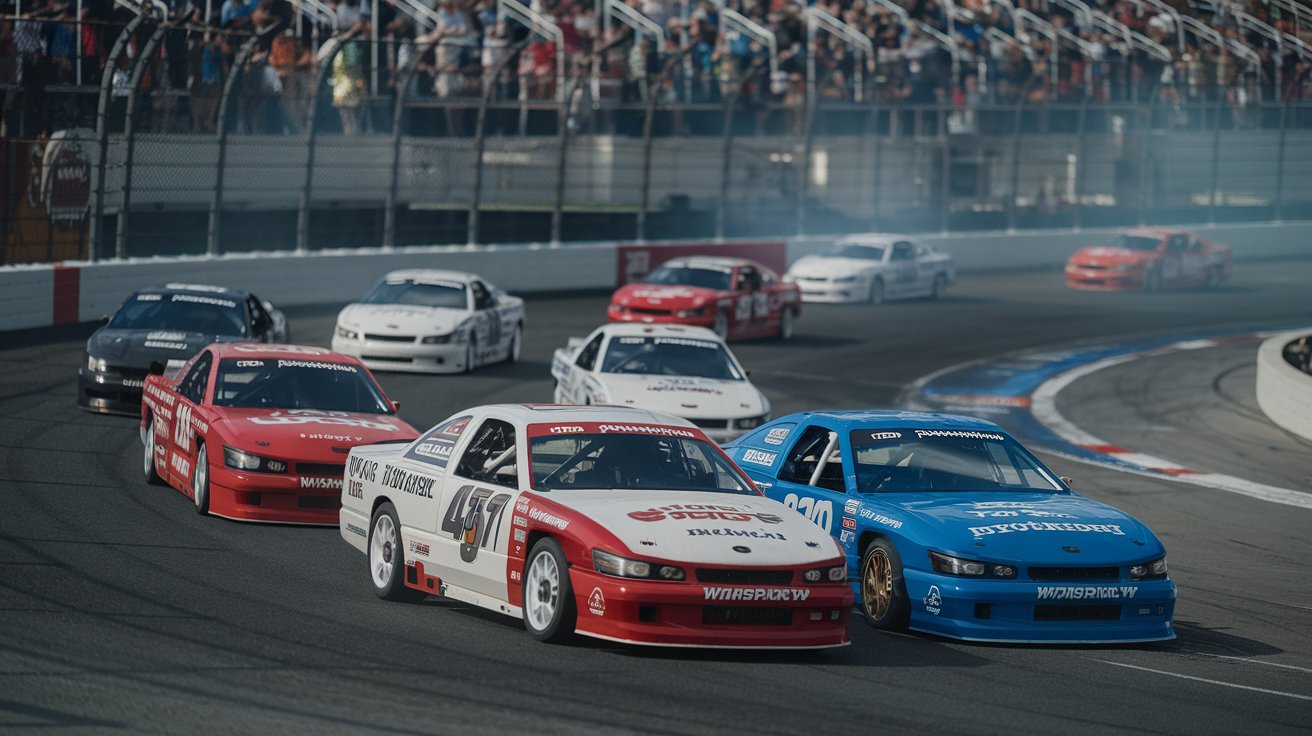
GT racing, short for Grand Touring racing, represents one of the most popular and accessible forms of professional motorsports in the United States. These production-based racing cars combine street-legal vehicle platforms with enhanced performance modifications, creating a competitive environment where manufacturers like Porsche, Ferrari, Mercedes-AMG, and Chevrolet battle for supremacy. Unlike purpose-built Formula 1 cars, GT racing vehicles maintain recognizable body shapes and engineering derived from cars consumers can purchase, making the sport particularly engaging for fans who drive similar vehicles on public roads.
Understanding GT Racing: Definition and Core Principles
GT racing emerged from the concept of Grand Touring automobiles, which originally described high-performance luxury cars designed for long-distance driving at sustained high speeds. In motorsports, GT racing has evolved into a highly competitive discipline where modified production vehicles compete on road courses, combining speed, endurance, and strategic racing. The fundamental principle separating GT racing from open-wheel series like Formula 1 involves maintaining the basic silhouette and core mechanical architecture of production vehicles while allowing performance enhancements within regulated parameters.
The GT racing philosophy emphasizes manufacturer participation and brand competition, creating a direct connection between racing success and consumer vehicle sales. In 2026, major automotive manufacturers invest millions in GT racing programs across the United States because victories translate into enhanced brand prestige and tangible marketing advantages. The sport operates under Balance of Performance regulations that equalize different manufacturers’ vehicles through weight adjustments, restrictor plates, and aerodynamic modifications, ensuring competitive GT racing regardless of the base vehicle platform selected by each team.
GT Racing Classes Explained: GT1, GT2, GT3, and GT4
The GT racing class structure organizes vehicles into distinct categories based on performance capabilities, modification levels, and intended competition environments. This classification system ensures appropriate competition between similarly prepared vehicles while providing pathways for drivers and teams to progress through increasingly competitive levels of GT motorsports.
GT3 Racing: The Most Popular GT Class in 2026
GT3 racing represents the most prominent and widely adopted GT class globally and throughout the United States in 2026. These vehicles produce approximately 500-600 horsepower and feature sophisticated aerodynamics, professional-grade suspension systems, and advanced electronic driver aids including ABS and traction control. GT3 cars cost between 400,000 and 600,000 dollars, making them accessible to professional privateer teams and gentleman drivers with substantial budgets. The class emphasizes Balance of Performance adjustments that keep competition exceptionally close, with lap times typically separated by tenths of seconds rather than full seconds between different manufacturers.
Popular GT3 racing cars in American competition include the Porsche 911 GT3 R, Mercedes-AMG GT3, Ferrari 296 GT3, Lamborghini Huracan GT3 EVO2, and Chevrolet Corvette Z06 GT3.R. These vehicles compete in premier series including IMSA WeatherTech SportsCar Championship GTD classes, SRO America GT World Challenge, and various regional GT racing championships across the United States. The GT3 category has become the global standard for customer racing, with manufacturers designing vehicles specifically for this class and supporting customer teams with technical assistance, parts supply, and engineering support throughout racing seasons.
GT4 Racing: Entry-Level GT Competition
GT4 racing serves as the entry point for aspiring GT racing drivers and teams, featuring less powerful but more affordable race cars derived from production sports cars. These vehicles generate approximately 400-450 horsepower and cost between 150,000 and 250,000 dollars, representing roughly half the investment required for GT3 competition. The GT4 class maintains similar aerodynamic and mechanical philosophies as GT3 but with reduced downforce, simpler suspension systems, and less aggressive performance modifications.
In 2026, GT4 racing thrives in North America through series including Pirelli GT4 America, IMSA Michelin Pilot Challenge, and various club racing organizations that provide competitive environments for amateur racers and professional drivers developing their careers. Popular GT4 vehicles include the Porsche 718 Cayman GT4 Clubsport, BMW M4 GT4, McLaren Artura GT4, Aston Martin Vantage GT4, and Chevrolet Camaro GT4.R. The class has experienced significant growth because it provides genuine racing competition at lower operating costs compared to higher GT categories, making it sustainable for privateer teams and driver development programs.
GT2 and GT1 Racing: High-Performance Heritage Classes
GT1 racing historically represented the pinnacle of GT competition, featuring highly modified production-based vehicles with minimal restrictions on aerodynamic development and engine modifications. During the 1990s and 2000s, GT1 cars like the Porsche 911 GT1, Mercedes CLK-GTR, and Chevrolet Corvette C5-R dominated endurance racing with performance approaching prototype racing cars. However, escalating costs and decreasing manufacturer participation led to the class’s decline, with most GT1 racing programs discontinued by 2012 as series transitioned toward more cost-effective GT3-based competition formats.
GT2 racing occupied the performance space between GT3 and GT1, featuring more powerful and less restricted vehicles than modern GT3 cars. The class evolved into GTE specification, which currently represents the professional manufacturer category in endurance racing like the 24 Hours of Le Mans. In 2026, GTE cars compete in limited series, with IMSA’s GTD PRO class featuring GT3 machinery instead of traditional GT2/GTE vehicles for most events. The consolidation toward GT3 racing as the primary GT platform reflects industry preferences for reduced development costs while maintaining competitive, manufacturer-relevant racing that appeals to fans and marketing departments.
GT Racing vs F1: Key Differences Between Grand Touring and Formula Racing
The distinction between GT racing and Formula 1 encompasses fundamental differences in vehicle design, racing formats, competition philosophy, and spectator experience. Understanding these differences clarifies why both disciplines attract passionate followings despite representing opposite approaches to motorsports competition in 2026.
Vehicle Design and Performance Comparison
Formula 1 cars are purpose-built, open-wheel single-seaters designed exclusively for racing, featuring carbon fiber monocoque chassis, hybrid turbocharged V6 engines producing over 1000 horsepower, and advanced aerodynamics generating massive downforce. These vehicles achieve 0-60 mph in approximately 2.5 seconds and reach top speeds exceeding 230 mph on appropriate circuits. F1 cars utilize sophisticated energy recovery systems, active aerodynamics, and technology representing the absolute pinnacle of automotive engineering without constraints imposed by road car requirements.
In contrast, GT racing cars maintain production vehicle architecture including recognizable body shapes, similar engine placement, and fundamental mechanical layouts derived from street-legal automobiles. A competitive GT3 car produces 500-600 horsepower, achieves 0-60 mph in approximately 3.0-3.5 seconds, and reaches top speeds around 180-200 mph depending on aerodynamic configuration. While significantly slower than Formula 1, GT cars provide intensely competitive racing with multiple manufacturers competing on relatively equal terms through Balance of Performance regulations. The production-based nature of GT racing vehicles creates direct marketing connections between racing success and consumer vehicle sales, a relationship absent in purpose-built F1 competition.
Racing Formats and Competition Structure
Formula 1 racing features sprint-format competitions where drivers complete 50-70 laps over approximately 90-120 minutes, emphasizing qualifying performance, race strategy, and solo driving excellence. Each F1 race weekend includes practice sessions, qualifying, and a single feature race with drivers competing individually for championship points in a season spanning March through December with 23-24 races globally.
GT racing encompasses diverse formats including sprint races (40-90 minutes), endurance races (3-24 hours), and championship structures featuring multiple driver combinations per vehicle. Many GT racing series require driver changes during races, emphasizing team strategy, pit stop execution, and consistent performance across multiple stint rotations. Endurance classics like the Rolex 24 at Daytona and Petit Le Mans feature continuous racing through day and night conditions, testing vehicle reliability and team endurance in ways Formula 1 never encounters. The multi-class racing common in GT competition adds strategic complexity as faster prototype classes navigate through slower GT traffic, creating dynamic racing scenarios that engage fans differently than single-class F1 competition.
GT Racing vs NASCAR: Comparing American Stock Car and GT Competition
Within the United States motorsports landscape, GT racing and NASCAR represent distinct racing philosophies that attract different audiences and emphasize contrasting competitive elements. Understanding these differences helps clarify each discipline’s unique appeal to American racing fans in 2026.
NASCAR vehicles feature purpose-built tube-frame chassis with sheet metal bodies shaped to resemble production sedans and trucks, powered by naturally-aspirated V8 engines producing approximately 670 horsepower in Cup Series competition. Despite superficial resemblance to consumer vehicles, NASCAR race cars share virtually no mechanical components with street cars, instead utilizing spec chassis and carefully regulated components that equalize competition. Racing occurs primarily on oval tracks with high-speed, close-quarters competition emphasizing drafting, bump-drafting, and aggressive side-by-side racing through corners.
Conversely, GT racing cars maintain genuine production vehicle architecture with modifications rather than purpose-built race chassis, compete primarily on road courses featuring left and right turns with elevation changes, and showcase multiple manufacturers with distinctly different vehicle characteristics equalized through Balance of Performance. GT3 cars emphasize aerodynamic efficiency, mechanical grip, and sophisticated electronics compared to the relatively simple, high-power approach of NASCAR vehicles. Speed comparisons prove complex because NASCAR Cup cars exceed 200 mph on superspeedways but lap road courses slower than GT3 vehicles, while GT cars demonstrate superior road course performance but cannot match NASCAR’s oval track speeds. Both disciplines require exceptional driving skill but reward different techniques and strategic approaches to competition.
Major GT Racing Series in the United States 2026
The American GT racing landscape features multiple professional and amateur series that provide competition opportunities across skill levels, budgets, and regional preferences. These championships collectively create a robust GT racing ecosystem supporting manufacturer programs, professional teams, and aspiring drivers throughout the United States.
IMSA WeatherTech SportsCar Championship
The IMSA WeatherTech SportsCar Championship represents North America’s premier sports car racing series, featuring multi-class competition that includes GTD PRO and GTD classes for GT3 specification vehicles. The series combines prototype racing in GTP and LMP2 classes with GT competition, creating strategic complexity as faster prototypes navigate through GT traffic during races. In 2026, the championship includes iconic events like the Rolex 24 at Daytona, 12 Hours of Sebring, and Petit Le Mans, attracting factory-supported teams from Porsche, BMW, Corvette Racing, Lexus, Acura, and Mercedes-AMG alongside professional privateer operations.
GTD PRO competition features manufacturer-supported professional driver lineups competing for overall GT honors, while the GTD class accommodates bronze-rated amateur drivers paired with professionals in pro-am format. The series visits premier road courses including Road America, Watkins Glen International, Canadian Tire Motorsport Park, and Indianapolis Motor Speedway, providing GT racing teams with diverse technical challenges across sprint and endurance formats. Television coverage through NBC Sports and Peacock streaming reaches millions of American motorsports fans, making IMSA GT racing the most visible GT competition in the United States market.
SRO America GT World Challenge and GT America
SRO America operates multiple GT racing championships including Fanatec GT World Challenge America powered by AWS and GT America, providing additional competition opportunities for GT3 and GT4 vehicles across North American venues. The GT World Challenge America features sprint-format races with pro and pro-am class structures, emphasizing driver skill and vehicle performance across 90-minute races that require mid-race pit stops and driver changes for most events.
The series distinguishes itself through European-style GT racing regulations and competition formats aligned with global SRO championships, creating pathways for American drivers to transition into international GT3 racing competitions including the Total 24 Hours of Spa and Intercontinental GT Challenge events. In 2026, SRO America championships visit circuits including Circuit of The Americas, Sonoma Raceway, Virginia International Raceway, and Indianapolis Motor Speedway, providing teams with technically demanding venues that reward aerodynamic efficiency and mechanical setup excellence. The organization’s Balance of Performance system ensures competitive racing regardless of manufacturer choice, encouraging diverse grid compositions that showcase vehicles from Europe, Asia, and American manufacturers.
Pirelli GT4 America and Michelin Pilot Challenge
Pirelli GT4 America provides dedicated GT4 class competition across sprint and SprintX formats, creating optimal environments for entry-level professional racing and amateur drivers developing careers in GT motorsports. The series features separate races for silver-rated professional drivers and pro-am combinations, ensuring appropriate competition between similarly skilled competitors. In 2026, the championship supports over 30 full-season entries across classes, demonstrating the health and appeal of GT4 racing in the American market.
The IMSA Michelin Pilot Challenge combines GT4 vehicles with touring car competition in Grand Sport and Touring Car classes, creating multi-class racing that mirrors the WeatherTech Championship format at more accessible cost levels. Two-hour endurance races require driver changes and strategic pit stop execution, providing valuable experience for drivers aspiring to advance into GT3 competition and higher categories. Both series visit tracks alongside major championships, giving competitors exposure to professional racing environments while maintaining manageable budgets compared to top-tier GT racing programs. These championships serve as critical development platforms where future GT racing stars hone racecraft before advancing to factory-supported professional opportunities.
Prominent GT Racing Teams and Manufacturers in 2026
The competitive landscape of American GT racing includes factory-supported manufacturer programs and professional privateer teams that collectively create intense competition across multiple series and classes. Understanding the major players clarifies the professional structure supporting GT motorsports in the United States.
Factory-supported GT racing teams receive technical assistance, parts support, and engineering resources directly from automotive manufacturers seeking to promote brand performance through racing success. In 2026, programs like Corvette Racing operate factory Corvette Z06 GT3.R entries in IMSA competition, while BMW M Motorsport supports multiple customer teams through its BMW M Team RLL operations and international customer racing network. Porsche Motorsport North America provides factory support to Pfaff Motorsports and other leading privateer organizations running 911 GT3 R vehicles, while Mercedes-AMG Customer Racing supports teams like Winward Racing through technical partnerships that provide factory engineering assistance.
Leading privateer GT racing teams include organizations like Wright Motorsports, Paul Miller Racing, Heart of Racing Team, and TeamTGM, which operate professional programs without direct factory ownership while maintaining manufacturer partnerships for technical support. These teams employ professional drivers, engineers, and mechanics to compete at the highest levels of American GT racing, often achieving victories against factory-supported competitors through excellent preparation and strategic execution. The combination of factory programs and professional privateers creates depth in GT racing competition that ensures close racing and unpredictable results throughout championship seasons, maintaining fan engagement and manufacturer interest in continued GT motorsports investment.
GT Racing Cars: Technology and Performance Specifications
Modern GT racing cars represent sophisticated racing machines that balance production vehicle heritage with advanced racing technology, creating competition that showcases automotive engineering excellence while maintaining recognizable connections to consumer vehicles available at dealerships across the United States.
Engine and Powertrain Technology
GT3 racing engines typically maintain the production vehicle’s engine architecture including cylinder configuration, displacement, and fundamental technology while incorporating racing-specific components that enhance durability and performance. A Porsche 911 GT3 R utilizes a naturally-aspirated 4.0-liter flat-six engine producing approximately 550 horsepower, while the Mercedes-AMG GT3 employs a twin-turbocharged 6.2-liter V8 generating similar output through forced induction. Balance of Performance regulations adjust power output through restrictor plates, boost limits, and fuel flow restrictions that equalize different engine configurations.
Most GT racing cars utilize sequential manual transmissions with paddle shifters and pneumatic actuation systems that enable extremely rapid gear changes while maintaining durability through extended racing sessions. Advanced electronics manage engine mapping, traction control, and ABS systems that help drivers extract maximum performance while managing tire wear and fuel consumption strategically. In 2026, several manufacturers are developing hybrid GT racing powertrains that incorporate electric motors for additional power and energy recovery, anticipating future regulations that may mandate electrification in premier GT racing classes as environmental considerations influence motorsports technology development across all disciplines.
Aerodynamics and Chassis Design
The aerodynamic development of GT racing cars focuses on generating downforce for improved cornering speeds while managing drag to maintain competitive straightline performance. Modern GT3 vehicles feature large rear wings, aggressive front splitters, rear diffusers, and carefully sculpted body surfaces that work together to produce 1000-1500 pounds of downforce at racing speeds. Unlike Formula 1 cars that generate their own weight in downforce at moderate speeds, GT racing aerodynamics must accommodate production body shapes that limit aerodynamic efficiency compared to purpose-built race cars.
GT racing chassis utilize FIA-approved safety cages integrated with production unibody or chassis structures, creating rigid platforms that protect drivers during impacts while providing consistent suspension mounting points for optimal handling characteristics. Carbon fiber body panels reduce weight compared to production vehicles, while racing-specific suspension components including adjustable dampers, spherical bearings, and sophisticated anti-roll bar systems enable teams to optimize handling balance for specific circuits. The combination of production-based architecture and racing-specific components creates GT racing cars that weigh approximately 2700-3000 pounds depending on class and Balance of Performance adjustments, significantly heavier than Formula 1 cars but considerably lighter than stock production sports cars from which they derive.
Getting Started in GT Racing: Pathways and Requirements
Aspiring drivers interested in GT racing careers face significant financial, skill, and licensing requirements, but multiple pathways exist for talented individuals to progress from amateur competition into professional GT racing programs across the United States in 2026.
The typical progression begins with karting or entry-level formula car racing to develop fundamental racecraft, car control, and competitive instincts required for all forms of motorsports. Drivers then transition into production-based racing through series like Spec Miata, NASA racing, or club racing organizations where relatively affordable vehicles provide competitive racing experience. From this foundation, promising drivers advance into GT4 racing through programs like Pirelli GT4 America or IMSA Michelin Pilot Challenge, where costs range from 150,000 to 400,000 dollars annually depending on team choice and series selection. Success in GT4 competition opens opportunities for GT3 racing seats with professional teams seeking skilled drivers who can contribute funding or attract sponsors.
Professional GT racing drivers typically require FIA International Competition licenses obtained through demonstrated success in lower racing categories and medical certifications confirming physical fitness for high-performance competition. In 2026, driver coaching programs operated by manufacturers and professional racing schools provide accelerated development pathways for wealthy amateur drivers seeking to compete in professional GT racing series. Factory driver development programs identify talented young racers and provide financial support, coaching, and racing opportunities that enable progression without personal funding requirements. Organizations like Porsche Motorsport North America, BMW Motorsport, and Corvette Racing maintain young driver programs that scout talent from junior racing categories and provide structured development pathways into factory-supported GT racing programs for exceptional individuals who demonstrate speed, consistency, and professional maturity.
The Future of GT Racing: Trends and Developments Through 2030
The evolution of GT racing through the remainder of the 2020s will reflect broader automotive industry trends including electrification, sustainability initiatives, and changing consumer preferences that influence manufacturer participation and racing technology development across all motorsports disciplines.
Electrification represents the most significant technological shift affecting GT racing as manufacturers transition production vehicle lineups toward hybrid and fully electric powertrains. In 2026, discussions continue regarding potential hybrid GT3 regulations that would incorporate electric motors and battery systems while maintaining performance parity with traditional combustion-powered vehicles. The introduction of sustainable racing fuels derived from renewable sources provides interim solutions that reduce environmental impact while preserving combustion engine technology that manufacturers consider valuable for engineering development and marketing purposes.
Cost control remains a critical priority for GT racing organizers who recognize that escalating expenses threaten privateer team participation essential for maintaining healthy grid sizes and competitive racing. Balance of Performance systems continue evolving toward more sophisticated methodologies that consider not just lap time performance but also factors like tire degradation, fuel consumption, and reliability that affect endurance racing outcomes. The consolidation around GT3 specifications as the global standard for professional GT competition creates economies of scale that benefit teams through increased parts availability, technical support from manufacturers, and transferability of racing knowledge across different championships. As the sport advances toward 2030, maintaining manufacturer diversity, controlling costs, and adapting to environmental expectations while preserving the fundamental appeal of production-based racing represents the central challenge facing GT racing leadership in preserving this vital form of motorsports competition for future generations of racers and fans across the United States and globally.
Related video about what is gt racing
This video complements the article information with a practical visual demonstration.
Frequently Asked Questions
What’s the difference between GT Racing and F1?
GT racing uses modified production-based vehicles that maintain recognizable body shapes and mechanical layouts derived from street-legal sports cars, while Formula 1 features purpose-built open-wheel race cars designed exclusively for competition. F1 cars generate over 1000 horsepower and achieve significantly faster lap times, while GT cars produce 500-600 horsepower in GT3 specification and emphasize manufacturer competition through Balance of Performance regulations. GT racing includes endurance formats and multi-class competition, whereas F1 focuses on sprint races with solo drivers. The production-based nature of GT racing creates direct marketing connections to consumer vehicles that F1 cannot replicate, making GT competition particularly valuable for automotive manufacturers.
Which is faster, GT3 or NASCAR?
Speed comparisons between GT3 and NASCAR depend on track type and configuration. On road courses, GT3 cars typically lap faster than NASCAR Cup Series vehicles because GT cars generate more aerodynamic downforce, feature more sophisticated suspension systems, and utilize technology like ABS and traction control optimized for road racing. On oval tracks, NASCAR vehicles exceed GT3 performance through higher straightline speeds approaching or exceeding 200 mph on superspeedways compared to GT3 top speeds around 180-200 mph. NASCAR Cup cars produce approximately 670 horsepower from naturally-aspirated V8 engines, while GT3 vehicles generate 500-600 horsepower with different power delivery characteristics suited to road course competition rather than oval racing.
How much does it cost to compete in GT racing?
The cost of GT racing competition varies significantly by class and series selection. GT4 racing programs require approximately 150,000 to 400,000 dollars annually including vehicle purchase or lease, entry fees, testing, tires, fuel, transportation, and crew expenses for a partial season in series like Pirelli GT4 America. GT3 racing costs range from 500,000 to over 2 million dollars annually depending on series competitiveness, team selection, and season length. A competitive full-season GT3 program in IMSA WeatherTech SportsCar Championship typically requires 1.5 to 3 million dollars per car when accounting for vehicle acquisition, professional crew salaries, engineering support, crash damage reserves, and all operational expenses. Factory-supported teams receive manufacturer assistance that reduces costs, while privateer operations bear full financial responsibility.
What licenses do you need for GT racing?
Professional GT racing requires IMSA or SCCA competition licenses appropriate to the series and class, with most professional championships requiring advanced licensing levels obtained through demonstrated success in lower racing categories. For international GT competition, drivers need FIA International Competition licenses issued through national sporting authorities after meeting experience requirements including minimum race starts in approved competitions. Most series implement driver rating systems classifying competitors as platinum, gold, silver, or bronze based on professional racing experience and achievements. Entry-level GT4 racing accepts bronze-rated amateur drivers, while professional GT3 classes typically require gold or platinum-rated professionals. All competitors must pass medical examinations confirming physical fitness for high-performance racing and maintain current licenses through continued competition participation and periodic medical recertification.
What are the most popular GT racing cars in 2026?
The most successful GT3 racing cars in American competition during 2026 include the Porsche 911 GT3 R, which combines reliability with consistent performance across diverse circuits, and the Mercedes-AMG GT3, known for excellent aerodynamic efficiency and driver-friendly handling characteristics. The Chevrolet Corvette Z06 GT3.R represents American manufacturer commitment to GT racing with competitive performance and strong factory support through Corvette Racing programs. Other prominent vehicles include the BMW M4 GT3, Ferrari 296 GT3, Lamborghini Huracan GT3 EVO2, and Acura NSX GT3, each offering distinct performance characteristics suited to different track types and driver preferences. In GT4 competition, popular choices include the Porsche 718 Cayman GT4 Clubsport, BMW M4 GT4, and McLaren Artura GT4, which combine reasonable purchase costs with strong manufacturer support and proven competitiveness across multiple series.
How is GT3 different from F1?
GT3 and Formula 1 represent fundamentally different racing philosophies and vehicle designs. GT3 cars are modified production sports cars maintaining recognizable body shapes and mechanical architectures derived from consumer vehicles, while F1 cars are purpose-built single-seaters with carbon fiber monocoques and hybrid turbocharged engines producing over 1000 horsepower. GT3 vehicles generate 500-600 horsepower, weigh approximately 2700-3000 pounds, and compete in sprint and endurance formats often requiring driver changes. F1 cars weigh around 1750 pounds, achieve significantly faster lap times, and feature solo drivers competing in sprint-format races. GT3 racing emphasizes Balance of Performance regulations that equalize different manufacturers, while F1 allows unrestricted development within technical regulations, creating performance disparities between teams based on engineering resources and budgets.
| GT Racing Aspect | Key Characteristics | Why It Matters |
|---|---|---|
| Vehicle Type | Modified production-based sports cars maintaining recognizable body shapes | Creates marketing connection between racing success and consumer vehicle sales |
| GT3 Class | 500-600 HP, Balance of Performance regulations, costs $400K-600K | Most popular global GT standard with manufacturer support and competitive racing |
| GT4 Class | 400-450 HP, entry-level competition, costs $150K-250K | Accessible pathway for amateur racers and driver development programs |
| Major US Series | IMSA WeatherTech Championship, SRO America, Pirelli GT4 America | Provides competitive opportunities across professional and amateur skill levels |
| vs Formula 1 | Production-based vs purpose-built, endurance vs sprint, multi-class vs single-class | Different racing philosophies appealing to distinct fan bases and manufacturers |
| Technology Focus | Aerodynamics, electronics, Balance of Performance, moving toward hybrid powertrains | Reflects automotive industry trends while maintaining competitive racing entertainment |