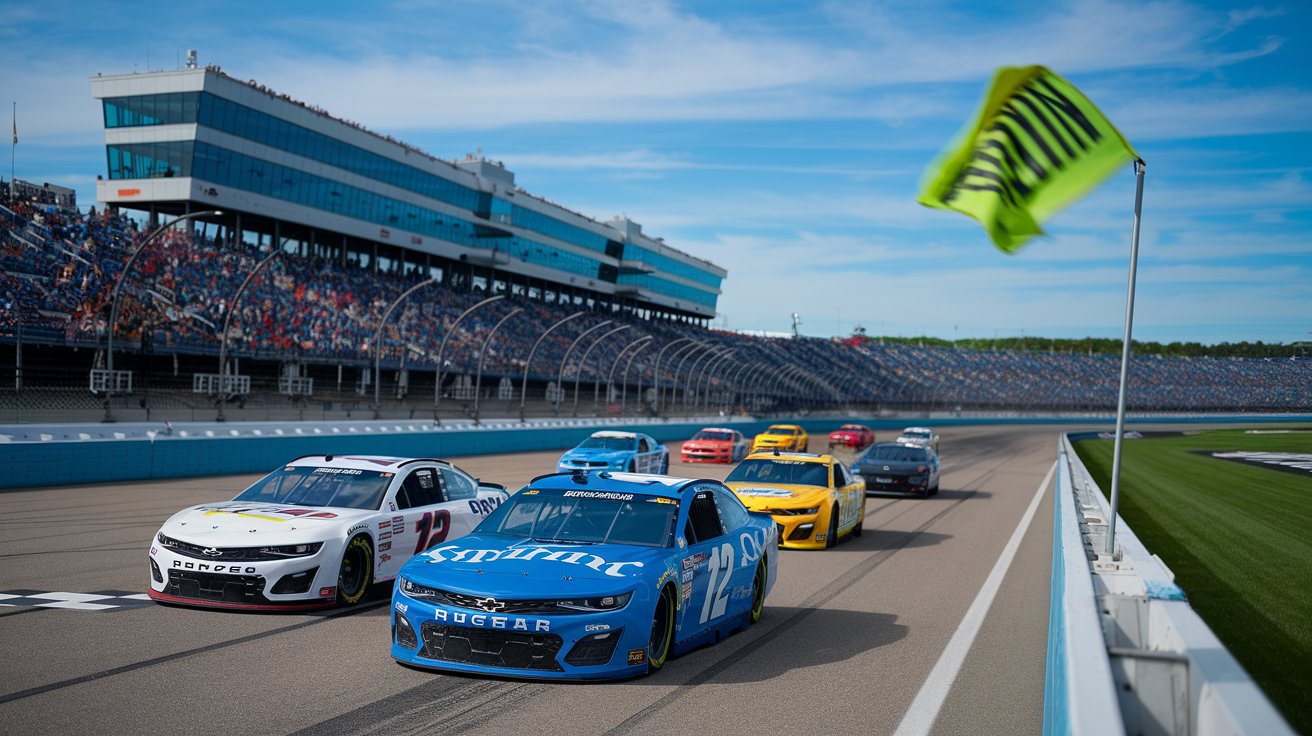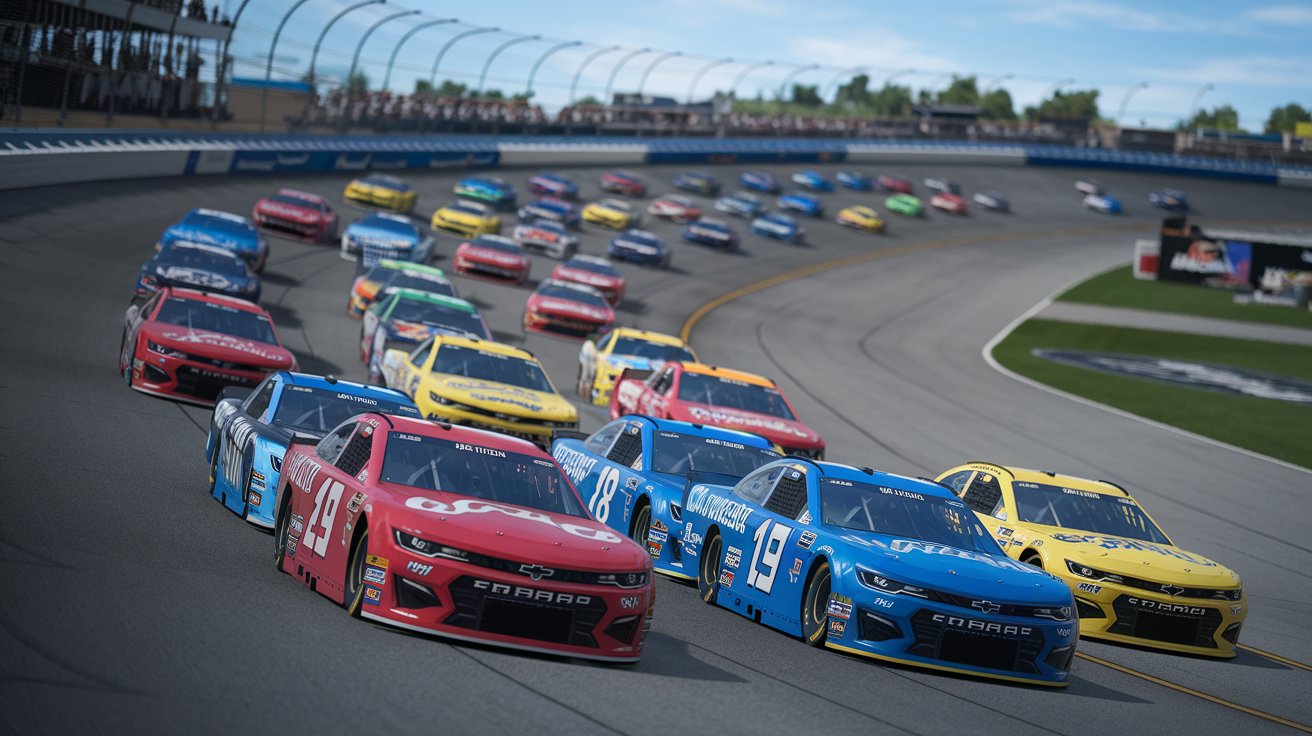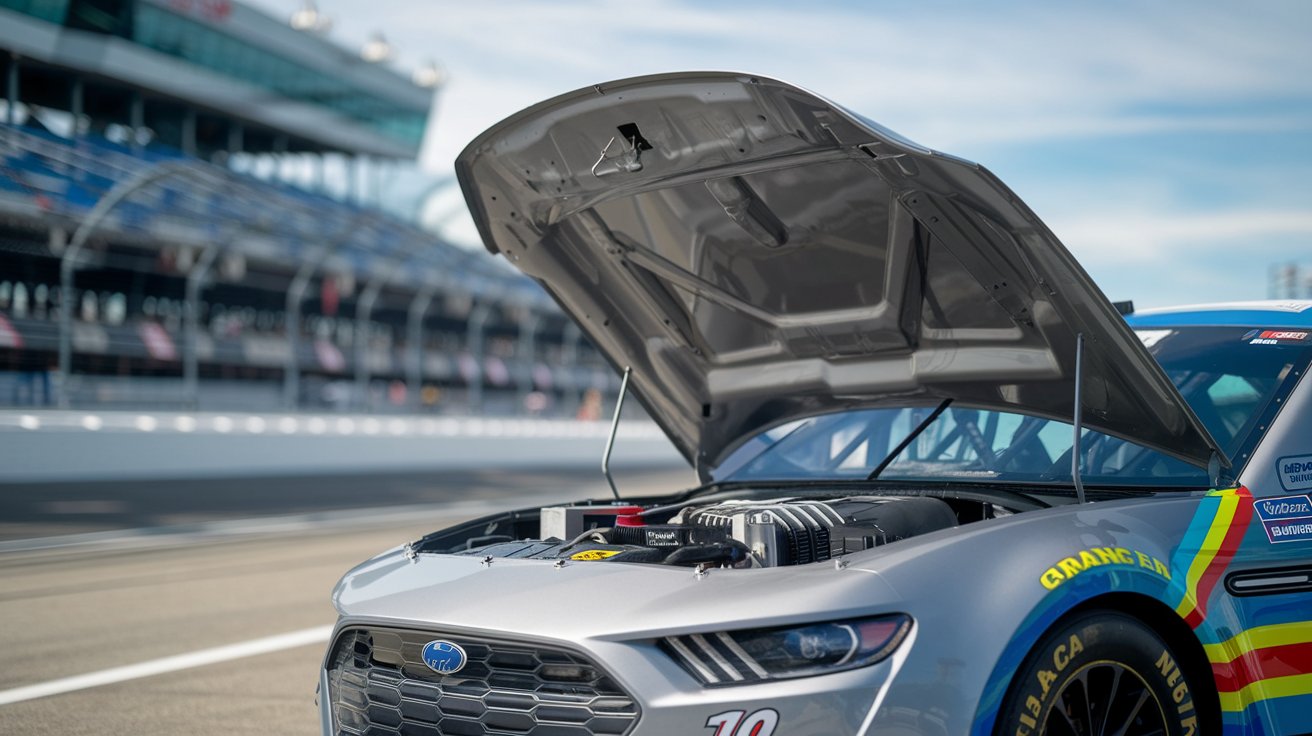
Yes, NASCAR cars use manual transmissions in 2026, continuing a tradition that has defined the sport since its inception. All NASCAR Cup Series vehicles are equipped with a 4-speed manual gearbox without synchromesh, requiring drivers to master clutchless shifting techniques during races. This manual transmission system remains a fundamental aspect of NASCAR racing, distinguishing it from other motorsports and preserving the raw skill required to compete at the highest level.
NASCAR Manual Transmission System Explained
NASCAR vehicles utilize a manual 4-speed transmission that operates without synchromesh, making gear changes considerably more challenging than street car transmissions. The gearbox is specifically designed for high-performance racing conditions, with reinforced components capable of withstanding extreme torque loads and rapid gear changes. In 2026, the Next Gen car continues using this traditional manual setup, manufactured by Xtrac, a British company specializing in racing transmissions. The transmission weighs approximately 130 pounds and features straight-cut gears that produce the distinctive whining sound heard during NASCAR races.
The positioning of the transmission in NASCAR cars is strategically placed near the center of the vehicle to optimize weight distribution and handling characteristics. This placement is part of NASCAR’s ongoing efforts to maintain competitive balance across all teams while preserving the sport’s historical connection to stock car racing roots. Unlike modern road cars with automatic or dual-clutch transmissions, NASCAR’s manual transmission requirement ensures that driver skill remains a crucial factor in race performance, separating the best drivers from the rest of the field.
How NASCAR Drivers Shift Without Using the Clutch
NASCAR drivers employ a technique called clutchless shifting or power shifting during races, using the clutch pedal only when launching from a complete stop. This advanced driving method requires precise timing and throttle control to match engine speed with transmission speed, allowing seamless gear changes without engaging the clutch mechanism. Drivers must shift gears manually by briefly lifting off the throttle at the exact moment they move the gear lever, creating a momentary reduction in torque that enables smooth engagement.
The clutchless shifting technique in NASCAR racing saves valuable milliseconds during each gear change and reduces mechanical wear on the clutch assembly throughout a 400-mile or 500-mile race. Professional NASCAR drivers practice this skill extensively, developing muscle memory that allows them to execute perfect shifts at speeds exceeding 200 mph while navigating traffic and maintaining race position. In 2026, this manual shifting expertise remains one of the defining skills that separates elite NASCAR drivers from competitors, requiring thousands of practice laps to master effectively.
Do NASCAR Cars Have a Clutch Pedal
Yes, NASCAR cars are equipped with a clutch pedal, but its usage differs significantly from conventional manual transmission vehicles. The clutch in a NASCAR race car is primarily used during race starts, pit stops, and when the vehicle comes to a complete stop on the track. During normal racing conditions at speed, drivers shift without the clutch, relying on throttle modulation and timing to change gears smoothly throughout the race distance.
The clutch assembly in NASCAR vehicles features a heavy-duty design capable of handling the extreme power output from the 670-horsepower naturally aspirated V8 engines used in 2026. The clutch disc, pressure plate, and flywheel are engineered to withstand repeated high-RPM launches and the thermal stress generated during competition. NASCAR regulations specify clutch requirements to ensure reliability and prevent unfair performance advantages, maintaining the sport’s competitive integrity across all participating teams and manufacturers.
Why NASCAR Maintains Manual Transmission Tradition
NASCAR continues using manual transmissions to preserve the sport’s heritage and ensure driver skill remains paramount in determining race outcomes. The manual gearbox requirement creates a direct connection between driver ability and vehicle performance, preventing technology from overshadowing human talent. This philosophy aligns with NASCAR’s core values of competition, tradition, and maintaining close racing that keeps fans engaged throughout the season.
The manual transmission tradition in NASCAR also provides cost benefits for race teams, as automatic or sequential gearboxes would significantly increase expenses without necessarily improving the quality of racing. Manual transmissions are more reliable, easier to repair trackside, and require less sophisticated electronic systems compared to automated alternatives. In 2026, NASCAR officials continue supporting this approach, recognizing that the manual gearbox requirement differentiates the sport from Formula 1 and other racing series while maintaining authentic stock car racing characteristics.
NASCAR 4-Speed Transmission Specifications
The NASCAR 4-speed manual transmission features a unique configuration optimized for oval track racing, with gear ratios selected based on specific track characteristics. Teams adjust the final drive ratio and individual gear ratios to maximize acceleration and top speed for each circuit, whether racing at short tracks like Martinsville or superspeedways like Daytona and Talladega. The transmission includes a straight-cut gear design rather than helical gears, providing superior strength and power transfer efficiency despite increased noise levels.
In 2026, the Xtrac P1334 transmission used in NASCAR Cup Series cars weighs approximately 130 pounds and measures roughly 24 inches in length. The gearbox features an aluminum housing with internal components made from high-strength steel alloys capable of handling sustained operation at engine speeds exceeding 9,000 RPM. NASCAR regulations mandate specific transmission components to ensure competitive parity, while allowing limited customization of gear ratios based on track length and banking characteristics. This standardized transmission approach prevents escalating costs while maintaining close competition throughout the field.
Have NASCAR Cars Ever Been Fully Automatic
No, NASCAR has never permitted fully automatic transmissions in its premier Cup Series throughout the sport’s 75-plus year history. The sanctioning body has consistently maintained regulations requiring manual transmission use, viewing this requirement as essential to preserving authentic stock car racing competition. While other racing series adopted automatic or semi-automatic gearboxes for performance advantages, NASCAR rejected automatic transmissions to maintain driver skill as a critical performance differentiator.
There have been isolated discussions within NASCAR circles about potential transmission technology updates, particularly as production vehicles increasingly feature automatic and dual-clutch transmissions. However, as of 2026, NASCAR officials show no indication of abandoning the manual transmission requirement, recognizing its importance to the sport’s identity and fan appeal. The manual gearbox tradition remains firmly entrenched in NASCAR’s technical regulations, with no foreseeable changes planned for future competition seasons.
NASCAR vs F1: Transmission Differences Compared
NASCAR and Formula 1 use fundamentally different transmission technologies, reflecting each series’ distinct racing philosophy and technical approach. Formula 1 cars employ sophisticated semi-automatic sequential gearboxes with eight forward gears, utilizing paddle shifters and computer-controlled clutch systems that execute gear changes in milliseconds. In contrast, NASCAR maintains traditional manual transmissions with four forward gears and a conventional H-pattern shifter, requiring drivers to physically move the gear lever for each shift.
The transmission technology gap between NASCAR and F1 highlights differing priorities within each motorsport discipline. Formula 1 emphasizes cutting-edge technology and engineering innovation, with transmission development representing a significant competitive advantage. NASCAR prioritizes driver skill, close racing, and cost control, making the manual 4-speed gearbox an ideal solution that satisfies all three objectives. In 2026, both series continue their respective transmission approaches, demonstrating that multiple philosophies can coexist successfully within professional motorsports.
Are NASCAR Cars Rear-Wheel Drive in 2026
Yes, all NASCAR Cup Series cars use rear-wheel drive configuration in 2026, continuing a fundamental design characteristic that has defined stock car racing since the sport’s beginning. The rear-wheel drive layout distributes power exclusively to the rear axle, creating distinctive handling characteristics that require specific driving techniques to maximize performance. This RWD configuration works seamlessly with the manual transmission system, allowing drivers to use throttle control and gear selection to manage weight transfer and vehicle balance through corners.
The rear-wheel drive requirement in NASCAR reflects the sport’s historical connection to American muscle cars and traditional stock car designs. NASCAR regulations mandate RWD configuration for all competing manufacturers, ensuring competitive parity regardless of whether teams campaign Chevrolet, Ford, or Toyota entries. In 2026, the combination of rear-wheel drive and manual transmission creates challenging yet rewarding driving dynamics that separate elite drivers from competitors, requiring mastery of throttle application, brake modulation, and gear selection timing throughout race distances.
NASCAR Next Gen Car Transmission Details
The NASCAR Next Gen car introduced in 2022 retained the traditional manual transmission despite significant changes to other vehicle systems including independent rear suspension, larger wheels, and updated aerodynamics. NASCAR officials deliberately preserved the manual gearbox requirement for the Next Gen platform, recognizing its importance to maintaining driver skill as a performance differentiator. The transmission mounting position changed slightly in the Next Gen design to accommodate the new independent rear suspension, but the fundamental 4-speed manual operation remained unchanged.
In 2026, the Next Gen car manual transmission continues using the Xtrac P1334 gearbox with straight-cut gears and a conventional H-pattern shifter. Teams appreciate the transmission’s proven reliability, with gearboxes regularly completing multiple race weekends without requiring major service or component replacement. The manual transmission in Next Gen cars provides consistent performance across varying track types, from short tracks requiring frequent gear changes to superspeedways where drivers maintain fourth gear for extended periods. This reliability and versatility make the manual gearbox an ideal solution for NASCAR’s diverse competition schedule.
Are NASCAR Engines Naturally Aspirated
Yes, NASCAR Cup Series cars use naturally aspirated V8 engines in 2026, producing approximately 670 horsepower without turbochargers or superchargers. The naturally aspirated design aligns with NASCAR’s traditional approach to engine technology, emphasizing simplicity, reliability, and cost control over maximum power output. These 5.86-liter V8 engines feature pushrod valve actuation rather than overhead camshaft designs, maintaining connections to American automotive heritage and traditional stock car racing principles.
The combination of naturally aspirated engines and manual transmissions creates a uniquely challenging driving experience in NASCAR, requiring drivers to manage power delivery through throttle control and gear selection without electronic aids. The naturally aspirated configuration provides linear power delivery that rewards smooth driving techniques and precise throttle application. In 2026, NASCAR continues supporting naturally aspirated engine technology, viewing it as essential to maintaining the sport’s character while controlling costs and ensuring close competition throughout the field.
What’s Harder to Drive: F1 or NASCAR
Comparing NASCAR and Formula 1 driving difficulty reveals fundamentally different challenges requiring distinct skill sets. Formula 1 cars demand extreme physical fitness to withstand lateral g-forces exceeding 5g during cornering, combined with split-second decision making at speeds approaching 230 mph on road courses featuring rapid elevation changes and technical corner sequences. NASCAR racing requires sustained concentration over 400-mile or 500-mile distances, managing tire wear and vehicle balance while racing inches from competitors at 200 mph speeds on oval tracks where mistakes instantly cause multi-car accidents.
The manual transmission in NASCAR adds complexity that F1 drivers don’t face with paddle-shift sequential gearboxes, requiring NASCAR competitors to execute perfect clutchless shifts while maintaining race position in heavy traffic. NASCAR’s close racing format creates additional pressure, as drivers must race door-to-door for extended periods while managing long-run speed and fuel mileage strategies. In 2026, most motorsports professionals agree that both NASCAR and F1 present equivalent difficulty levels through different challenges, with neither series definitively harder than the other despite contrasting technical requirements and racing formats.
Related video about are nascar cars manual
This video complements the article information with a practical visual demonstration.
What you should know
Is NASCAR automatic or manual in 2026?
NASCAR cars use manual transmissions in 2026, continuing the sport’s long-standing tradition. All NASCAR Cup Series vehicles are equipped with 4-speed manual gearboxes manufactured by Xtrac, featuring straight-cut gears and H-pattern shifters. Drivers shift gears manually during races, typically without using the clutch except during starts and pit stops. This manual transmission requirement preserves driver skill as a critical performance factor and maintains NASCAR’s connection to traditional stock car racing heritage.
How do NASCAR drivers shift without using the clutch?
NASCAR drivers use clutchless shifting technique by briefly lifting off the throttle at the precise moment they move the gear lever, creating momentary torque reduction that allows smooth gear engagement. This power shifting method requires perfect timing and extensive practice to master, with drivers matching engine speed to transmission speed through throttle modulation. The technique saves time during gear changes and reduces clutch wear throughout race distances, making it essential for competitive NASCAR performance in 2026.
Do NASCAR cars have a clutch pedal?
Yes, NASCAR cars are equipped with clutch pedals, but drivers primarily use them only during race starts, pit stops, and when coming to complete stops. During normal racing at speed, NASCAR drivers shift through the 4-speed manual transmission without engaging the clutch, relying instead on clutchless shifting techniques. The clutch assembly features heavy-duty construction capable of handling the 670-horsepower engine output and extreme racing conditions encountered during 400-mile and 500-mile competitions throughout the 2026 season.
What transmission do NASCAR cars use?
NASCAR Cup Series cars use the Xtrac P1334 4-speed manual transmission in 2026, featuring straight-cut gears and an H-pattern shifter. The gearbox weighs approximately 130 pounds and includes aluminum housing with high-strength steel internal components. Teams adjust gear ratios based on specific track characteristics, optimizing performance for short tracks, intermediate ovals, and superspeedways. The transmission operates without synchromesh, requiring precise driving technique and contributing to NASCAR’s reputation for demanding driver skill at the highest competition levels.
Why doesn’t NASCAR use automatic transmissions?
NASCAR maintains manual transmission requirements to preserve driver skill as a crucial performance differentiator and honor the sport’s traditional stock car racing heritage. Automatic transmissions would reduce the skill gap between drivers and significantly increase costs without improving racing quality. The manual gearbox requirement aligns with NASCAR’s core values of close competition, cost control, and maintaining authentic racing that distinguishes the series from Formula 1 and other motorsports. In 2026, NASCAR shows no indication of abandoning this fundamental technical regulation.
Are NASCAR cars rear-wheel drive?
Yes, all NASCAR Cup Series cars use rear-wheel drive configuration in 2026, sending power exclusively to the rear axle through the manual transmission and solid rear axle differential. This RWD layout creates distinctive handling characteristics requiring specific driving techniques to maximize cornering performance and manage weight transfer. The rear-wheel drive requirement reflects NASCAR’s connection to American muscle cars and traditional stock car designs, while ensuring competitive parity across Chevrolet, Ford, and Toyota manufacturers competing in the series throughout the season.
| Transmission Feature | NASCAR Specification | Racing Advantage |
|---|---|---|
| Transmission Type | 4-speed manual, H-pattern shifter | Emphasizes driver skill and tradition |
| Manufacturer | Xtrac P1334 gearbox | Proven reliability across race distances |
| Gear Design | Straight-cut gears, no synchromesh | Maximum strength and power transfer |
| Clutch Usage | Only for starts and stops | Faster clutchless shifting during races |
| Weight | Approximately 130 pounds | Optimized weight distribution |
| Drivetrain Layout | Rear-wheel drive configuration | Traditional stock car handling characteristics |