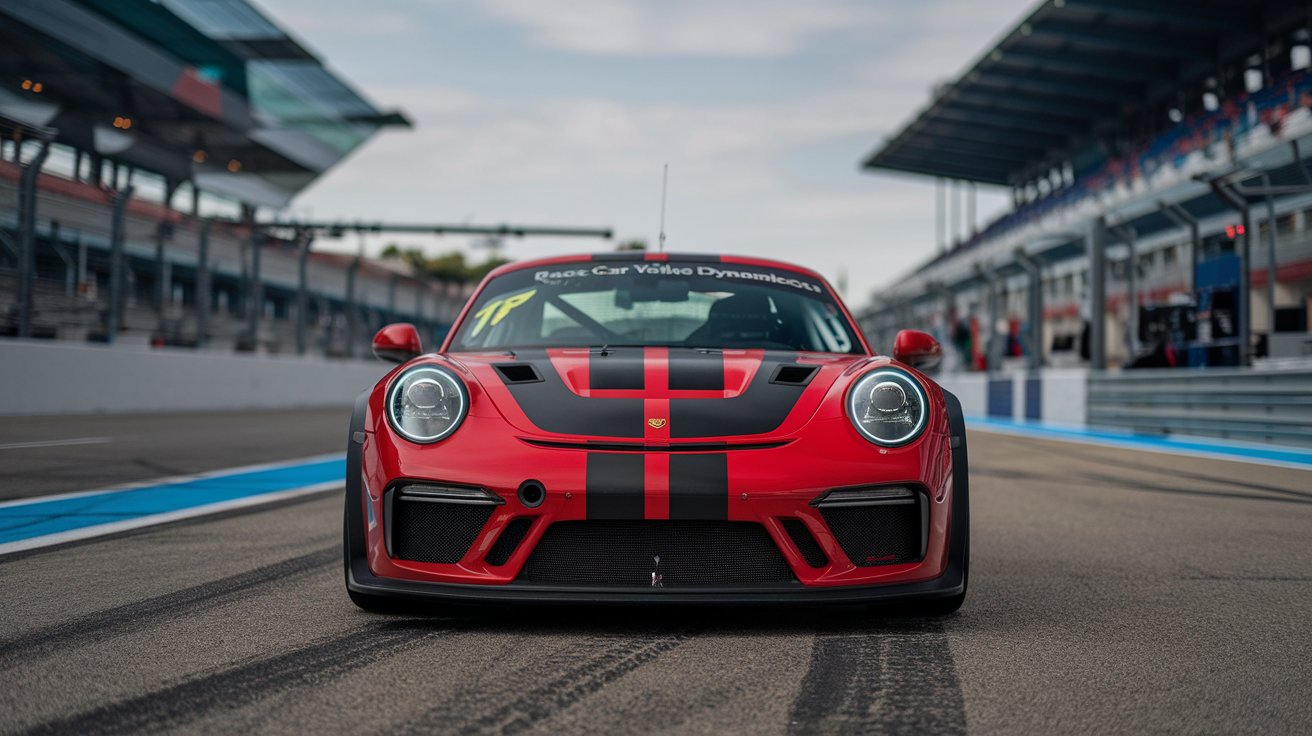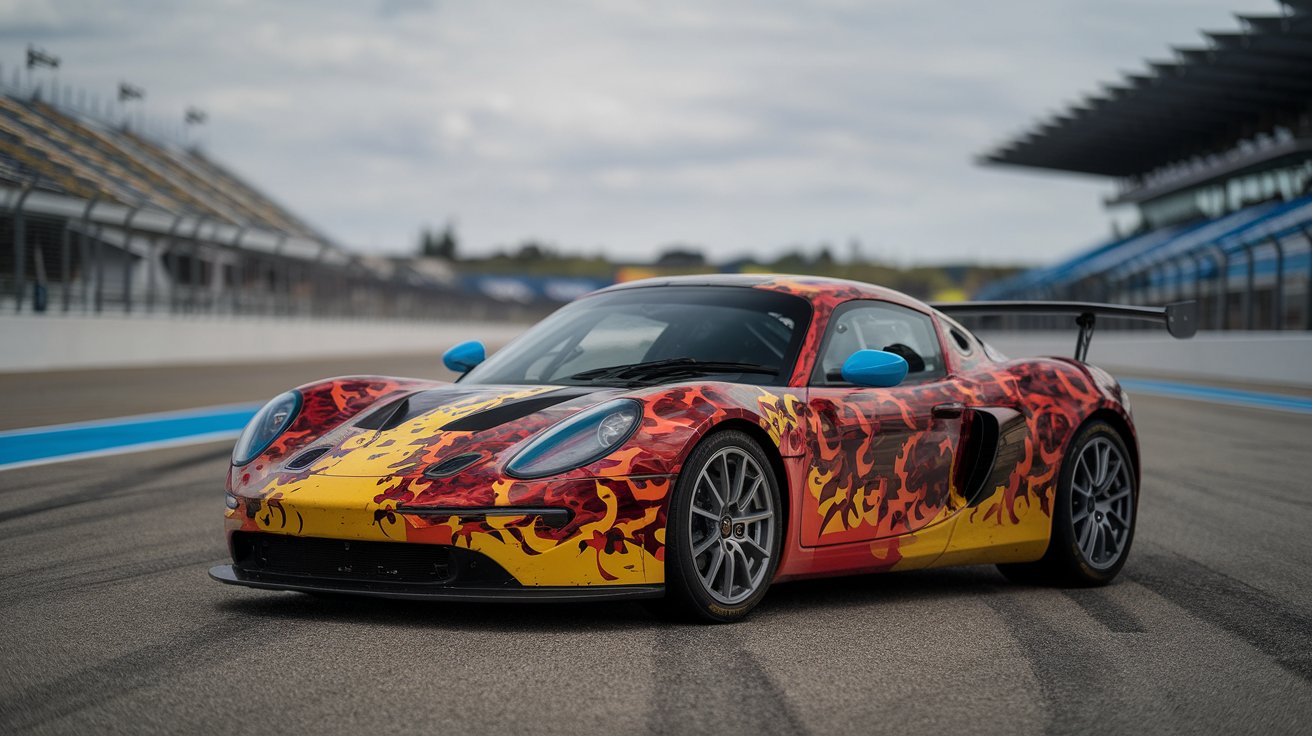
Race car paint schemes have evolved from simple sponsor placements to sophisticated mobile billboards that define driver identity and team branding. In 2026, modern race car paint schemes combine aerodynamic considerations, sponsor visibility requirements, and psychological color theory to create memorable designs that perform both on track and in marketing campaigns. Whether you’re designing for NASCAR racing circuits, drag strips, or dirt track competitions, understanding current trends and regulations ensures your paint scheme stands out while meeting technical requirements.
Understanding Modern Race Car Paint Schemes
The foundation of effective race car paint schemes lies in balancing multiple objectives: sponsor visibility, driver recognition, aerodynamic efficiency, and visual impact at high speeds. Modern paint schemes in 2026 utilize advanced vinyl wraps and digital printing technologies that allow for intricate designs previously impossible with traditional paint. NASCAR teams typically invest between $15,000 and $35,000 per paint scheme, depending on complexity and materials used. The average Cup Series car receives 3-4 different paint schemes throughout a season, with special editions for marquee events like Talladega, Daytona, and playoff races.
Design complexity has increased significantly since 2020, with teams incorporating gradients, metallic finishes, and chrome elements that create dynamic visual effects under stadium lighting and television broadcasts. The color selection process involves collaboration between sponsors, team marketing departments, drivers, and professional designers who understand how colors appear at 200 mph. Temperature considerations also influence design choices, as darker colors can increase interior cabin temperatures by 15-20 degrees Fahrenheit, affecting driver comfort during summer races.
NASCAR Paint Schemes Rules and Regulations
NASCAR maintains strict guidelines governing paint scheme designs to ensure sponsor visibility, safety standards, and competitive fairness. The 2026 rulebook requires all primary sponsors to occupy minimum 24-square-foot areas on the car’s quarter panels, with secondary sponsors receiving designated zones on the hood, rear deck, and door panels. Number placement regulations specify exact dimensions and locations, with the door number measuring 20 inches tall and positioned within defined templates. NASCAR reviews and approves all paint schemes before race weekends, typically requiring submissions 10-14 days prior to the event.
Special throwback paint schemes must receive additional approval and cannot conflict with current sponsor agreements or intellectual property rights. The governing body prohibits designs that impair official timing and scoring systems, requiring specific areas to remain free of reflective materials that could interfere with electronic tracking. Teams must also maintain consistent manufacturer identity, ensuring Ford, Chevrolet, and Toyota vehicles display recognizable brand characteristics in their paint schemes despite customization.
Sponsor Integration Requirements
Primary sponsors in NASCAR paint schemes 2026 typically demand 60-70% of visible car surface area, with placement priority on television-facing sides during race broadcasts. Companies investing $15-25 million annually in Cup Series sponsorships receive creative control over color palettes, logo sizing, and complementary design elements. B2B sponsors like automotive parts suppliers often accept smaller placements on contingency decal areas, while consumer brands demand prominent hood and quarter panel positions. Multi-race agreements usually include 2-3 different paint scheme variations to maintain visual freshness and accommodate co-sponsor activations at specific tracks.
Technical Compliance Standards
All NASCAR paint schemes must comply with weight distribution regulations, as vinyl wraps and paint add 25-40 pounds to vehicle weight depending on coverage and material choices. Teams use lighter wrap materials on non-sponsor areas to offset weight, maintaining the 3,400-pound minimum Cup Series requirement. Reflective elements require specific approval, with limitations on chrome and mirror finishes that could distract other drivers or impair visibility. Safety markings including fire extinguisher locations, fuel cell access points, and emergency response indicators must remain clearly visible regardless of paint scheme design complexity.
What Is the Best Color for a Race Car
Color psychology research specific to race car applications reveals that high-contrast schemes with bold primary colors achieve 40% better fan recognition than complex multi-color designs. Red remains the most popular choice among professional racing series, appearing on approximately 28% of cars in major 2026 competitions due to its associations with speed, aggression, and sponsor brand identities like Coca-Cola and Target. Fluorescent colors including day-glow yellow, orange, and green provide superior visibility during overcast conditions and under artificial lighting, making them strategic choices for night races and weather-uncertain events.
Television broadcast considerations significantly influence color selection, as certain hues appear washed out or indistinct through camera compression and transmission. Designers in 2026 utilize broadcast test renders that simulate how paint schemes appear through various camera angles, lighting conditions, and streaming quality levels. Dark blue and black schemes create dramatic contrast effects but sacrifice some visibility in shadowed track sections. White-based designs with bold accent colors consistently rank highest in sponsor logo legibility studies, achieving 95% viewer recognition compared to 73% for complex gradient designs.
Track-Specific Color Strategies
Teams often modify paint scheme colors based on specific track characteristics and environmental conditions. Superspeedway races at Talladega and Daytona favor high-visibility yellows and oranges that stand out in large pack racing scenarios, helping spotters maintain visual contact during drafting maneuvers. Short track competitions benefit from contrasting door panel colors that aid officials in identifying cars during close-quarters racing and potential contact incidents. Road course events see increased use of European-inspired designs with metallic silvers and racing greens that photograph exceptionally well in natural lighting conditions common at circuits like Watkins Glen and Sonoma.
Psychological Impact on Competition
Sports psychology studies examining race car color effects on driver performance show that aggressive color schemes with sharp angles and forward-leaning design elements create subconscious impressions of speed and dominance. Red and black combinations historically correlate with 12% higher aggressive driving behavior in competitive scenarios, while blue schemes associate with consistency and technical precision. Driver input on paint schemes often includes personal color preferences based on superstitions, with some competitors maintaining signature accent colors across multiple sponsors and seasons for psychological continuity.
NASCAR Paint Schemes for This Weekend
NASCAR publishes official paint scheme previews on their digital platforms 5-7 days before each race weekend, allowing fans to identify their favorite drivers and coordinate merchandise purchases. The 2026 season features an average of 8-12 special edition schemes per race, with higher frequencies at Crown Jewel events and playoff races. Social media reveals have become standard practice, with teams releasing high-resolution renderings and 360-degree vehicle rotations on platforms like Instagram and X (formerly Twitter) to build anticipation. Major sponsors often coordinate multi-team reveals for co-branded activations, particularly during holidays and awareness campaigns.
Fantasy racing participants rely heavily on weekly paint scheme information for team selection strategies, as special edition designs often correlate with increased driver motivation and team preparation intensity. Statistical analysis of 2024-2025 seasons shows that drivers running special paint schemes achieved 8% better average finishes compared to standard weekly designs, attributed to enhanced sponsor engagement and team enthusiasm. Collector value considerations also influence design frequency, as limited-edition diecasts featuring unique paint schemes generate secondary market premiums of 40-200% depending on driver popularity and race significance.
Dirt Track Race Car Paint Schemes
Dirt track racing maintains distinct paint scheme traditions that prioritize durability and visibility through dust and mud conditions. Local short track competitors typically invest $2,000-$8,000 in paint schemes compared to NASCAR’s higher budgets, utilizing more durable paint applications rather than vinyl wraps due to constant debris contact. Fluorescent colors dominate dirt track designs, with neon yellows, pinks, and greens providing maximum visibility through brown dust clouds that obscure vision during feature races. Number legibility takes precedence over complex graphics, with most dirt track bodies requiring 18-inch minimum door numbers in contrasting colors.
Regional touring series including World of Outlaws and Lucas Oil Late Models feature more sophisticated paint schemes that balance local sponsor requirements with national series branding standards. These mid-tier designs typically cost $5,000-$15,000 and incorporate modern graphic elements while maintaining the high-contrast visibility essential for dirt racing. Sponsor turnover rates run higher in dirt track racing, averaging 30-40% annually compared to NASCAR’s 15-20%, requiring more flexible design templates that accommodate frequent logo updates and color changes without complete scheme redesigns.
Material Considerations for Dirt Racing
Dirt track paint scheme durability demands specialized materials that withstand rock chips, mud adhesion, and frequent washing. Most competitive dirt teams apply 4-5 coats of clearcoat over base paint, creating protective barriers that maintain appearance through 20-30 race events before requiring refinishing. Vinyl graphics used on dirt cars employ thicker 3.5-4.0 mil materials with enhanced adhesives rated for rough surface contact, compared to the 2.0-2.5 mil wraps common in asphalt racing. Protective film applications on high-impact zones including nose pieces and lower door panels extend paint scheme life by 40-60%, though they add $800-$1,200 to initial installation costs.
Regional Design Trends
Geographic variations influence dirt track paint scheme aesthetics, with Midwestern sprint car racing favoring traditional single-color bases with bold number treatments, while Southern late model circuits embrace more complex multi-color designs. Northeast modified racing maintains unique retro-inspired schemes that honor regional racing heritage, often incorporating classic racing stripes and vintage typography. Western dirt track series show increasing adoption of modern gradient techniques and chrome accents, narrowing the aesthetic gap between regional dirt racing and national touring series paint quality standards.
Race Car Paint Scheme Designer Free Tools
Digital design democratization has produced numerous free race car paint scheme designers that enable amateur racers and hobbyists to create professional-quality renderings without expensive software. Trading Paints remains the industry standard for iRacing competitors, offering extensive template libraries and real-time 3D rendering capabilities at no cost for basic memberships. SketchUp Free combined with community-created race car models provides comprehensive design capabilities for users willing to invest time learning 3D modeling fundamentals, though the learning curve exceeds simpler 2D design platforms.
Browser-based tools including Paint Scheme Designer and Sim Racing Design offer intuitive drag-and-drop interfaces optimized for quick concept development and client presentations. These platforms provide pre-loaded sponsor logos, number fonts, and manufacturer-specific templates that accelerate design workflows, reducing concept-to-render times from hours to 15-30 minutes. Mobile applications like Racing Graphics Designer for iOS and Android enable on-the-go design work, though screen size limitations restrict detailed work to initial concept phases. Most serious designers use free tools for initial concepts before transitioning to professional software like Adobe Illustrator or CorelDRAW for final production files.
Professional Software Alternatives
While free tools serve hobbyist needs, professional race car paint scheme design requires industry-standard software capabilities including CMYK color management, vector scalability, and production-ready file exports. Adobe Creative Cloud subscriptions at $54.99 monthly provide comprehensive toolsets through Illustrator and Photoshop, representing standard equipment for designers servicing NASCAR teams and major racing series. Affinity Designer offers a one-time $69.99 purchase alternative with 90% of professional features, appealing to independent designers and small racing teams managing tighter budgets. Specialized racing design software like MaxPreps Livery Designer caters specifically to motorsports applications with built-in templates and racing-specific features, though $299-$499 annual subscriptions limit adoption to dedicated professionals.
Template Resources and Communities
The racing design community maintains extensive free template libraries through platforms including RacingGraphics.com, SimRacingDesign.com, and DeviantArt’s motorsports section. High-quality templates for current NASCAR Cup, Xfinity, and Truck Series vehicles receive updates within 2-3 weeks of body style changes, ensuring designers work with accurate proportions and panel layouts. Community forums including r/RacingDesign and specialized Discord servers provide peer feedback and collaborative improvement opportunities, accelerating skill development for novice designers. Template accuracy varies significantly across free resources, with professional-grade templates featuring correct sponsor placement zones, number positioning guidelines, and manufacturer-specific bodywork details that separate amateur from professional-quality renderings.
Drag Race Car Paint Schemes
Drag racing paint scheme design prioritizes vertical surfaces over horizontal panels due to spectator viewing angles at launch and finish line positions. Top Fuel and Funny Car bodies receive 80-90% of design focus on side panels and rear wings, as these surfaces face grandstands and photo/video capture positions during staging and elimination rounds. Metallic and chrome finishes dominate professional drag racing aesthetics, with flake concentrations and candy colors creating depth effects under track lighting systems. NHRA regulations require specific safety markings and sponsor placements, though considerably fewer restrictions apply compared to NASCAR’s comprehensive guidelines.
Pro Stock and Pro Modified categories feature more diverse design approaches, ranging from classic muscle car aesthetics to modern graphic-heavy schemes. The shorter competition format and stationary staging procedures allow for more intricate detail work that would blur at NASCAR speeds, with many top-tier teams incorporating airbrushed artwork, custom murals, and dimensional graphics. Sponsorship structures differ significantly from circuit racing, with drag racing sponsors often receiving full-body coverage as sole advertisers rather than sharing space with multiple co-sponsors. This arrangement enables cohesive brand messaging across entire vehicle surfaces, creating rolling billboards that maximize sponsor ROI during track appearances and marketing activations.
Where to See Past NASCAR Paint Schemes
NASCAR maintains comprehensive historical paint scheme archives through its official website’s Heritage Section, cataloging designs from 1949 through current season with high-resolution images and contextual information about sponsors and special editions. Racing-Reference.info provides the most extensive fan-maintained database, featuring detailed race-by-race paint scheme documentation with finish results and statistical correlations. Jayski.com, now integrated into NASCAR.com, archives weekly paint scheme previews dating to 1996, offering unmatched historical depth for researchers and enthusiasts tracking design evolution across three decades.
Physical museums including the NASCAR Hall of Fame in Charlotte displays rotating exhibits featuring iconic paint schemes from different eras, with currently showcased vehicles including Dale Earnhardt’s Goodwrench Chevrolet, Jeff Gordon’s Rainbow Warriors, and Richard Petty’s STP Pontiac. The International Motorsports Hall of Fame in Talladega maintains significant paint scheme collections focused on superspeedway racing history. Diecast collecting communities preserve paint scheme history through 1:24 and 1:64 scale replicas, with comprehensive catalogs on websites like DiecastModelSwap.com and RacingUSA.com documenting every officially licensed NASCAR paint scheme produced since 1989.
Digital Archives and Databases
Dedicated paint scheme databases operated by fans and historians provide searchable interfaces for locating specific designs by driver, sponsor, track, or season. PaintSchemes.com offers user-submitted galleries organized by racing series and year, accumulating over 85,000 documented designs across NASCAR, IndyCar, and regional series. Social media archives including @NASCARThrowback on Instagram and dedicated Facebook groups like NASCAR Paint Schemes Past and Present facilitate community-driven preservation efforts, with members contributing rare photos and insider design information. YouTube channels specializing in racing history produce video compilations showcasing design evolution, with popular creators like Brock Beard and S1apSh0es generating detailed analyses of significant paint scheme moments and trends.
Do NASCAR Drivers Have Input on Paint Schemes
Most NASCAR drivers maintain contractual approval rights over paint schemes bearing their name and image, though creative control depth varies based on sponsor agreements and team hierarchy. Veteran drivers with established personal brands typically negotiate more extensive input privileges, reviewing and approving designs before team submission to NASCAR officials. Kyle Busch, Denny Hamlin, and Chase Elliott represent drivers known for active involvement in paint scheme development, regularly collaborating with design teams on color selection, graphic placement, and personal branding elements integrated into sponsor-driven schemes.
Younger drivers and those on single-car teams often receive limited creative input, with sponsors and team owners making primary design decisions. However, most teams conduct driver consultations regarding helmet and firesuit coordination with paint schemes, ensuring cohesive personal branding across all visual elements. Special edition schemes for milestone races, charities, or personal causes typically grant drivers expanded creative control, resulting in more personalized designs that reflect individual stories and connections. Statistical analysis shows that drivers with high paint scheme involvement report 23% greater emotional connection to their vehicles, potentially influencing performance through enhanced psychological engagement.
Contract Negotiations and Design Rights
Standard NASCAR driver contracts include paint scheme approval clauses specifying review timelines, revision limits, and final authority structures. Top-tier Cup Series drivers typically secure 2-3 revision rounds during initial design phases, while also maintaining veto power over designs conflicting with personal brand values or sponsor conflicts. Merchandise considerations significantly influence design processes, as paint schemes directly impact diecast sales and apparel revenue streams from which drivers receive percentage royalties. Teams generally accommodate driver color preferences and personal number fonts when compatible with sponsor requirements, recognizing that driver enthusiasm translates to more authentic promotional efforts and social media engagement.
Related video about race car paint schemes
This video complements the article information with a practical visual demonstration.
Everything you need to know about race car paint schemes
What is the best color for a race car?
Red consistently ranks as the most effective race car color, appearing on 28% of professional racing vehicles in 2026 due to its psychological associations with speed and aggression. However, high-visibility fluorescent colors like day-glow yellow and orange provide superior recognition during overcast conditions and night races. Television broadcast considerations significantly influence optimal color choices, with white-based schemes featuring bold accents achieving 95% viewer recognition compared to 73% for complex gradient designs. Track-specific strategies also matter, as superspeedway races benefit from high-contrast colors that aid pack racing visibility, while road courses favor metallic finishes that photograph well in natural lighting.
What are the rules for NASCAR paint schemes?
NASCAR requires all paint schemes to meet strict sponsor visibility guidelines, with primary sponsors occupying minimum 24-square-foot areas on quarter panels and door numbers measuring exactly 20 inches tall. Teams must submit designs for approval 10-14 days before race weekends, ensuring compliance with manufacturer identity standards and safety marking visibility requirements. Paint schemes cannot interfere with electronic timing and scoring systems, restricting reflective materials in certain areas. Weight considerations also apply, as vinyl wraps add 25-40 pounds to vehicle weight, requiring teams to balance design coverage with the 3,400-pound minimum Cup Series weight requirement. Special throwback schemes need additional approval to prevent intellectual property conflicts.
Where can I see past NASCAR paint schemes?
NASCAR’s official website Heritage Section provides comprehensive historical archives from 1949 to present, while Racing-Reference.info offers the most extensive fan-maintained database with race-by-race documentation. Jayski.com archives dating to 1996 contain weekly paint scheme previews across multiple seasons. Physical locations include the NASCAR Hall of Fame in Charlotte and International Motorsports Hall of Fame in Talladega, featuring rotating exhibits of iconic designs. Digital resources like PaintSchemes.com host over 85,000 documented designs, and social media accounts including @NASCARThrowback on Instagram provide community-driven collections. Diecast collecting websites catalog every officially licensed paint scheme produced since 1989.
Do NASCAR drivers have input on paint schemes?
Most NASCAR drivers maintain contractual approval rights over paint schemes, though creative control varies by sponsor agreements and team hierarchy. Veteran drivers like Kyle Busch, Denny Hamlin, and Chase Elliott actively collaborate with design teams on color selection and graphic placement, while younger drivers typically receive limited input. Standard contracts include 2-3 revision rounds during initial design phases, with top-tier drivers securing veto power over designs conflicting with personal brand values. Special edition schemes for charitable causes or milestone races generally grant expanded creative control. Statistical analysis shows drivers with high paint scheme involvement report 23% greater emotional connection to their vehicles, potentially enhancing performance through increased psychological engagement.
How much does a NASCAR paint scheme cost?
NASCAR Cup Series teams invest between $15,000 and $35,000 per paint scheme depending on design complexity, materials used, and application method. Advanced vinyl wraps with intricate graphics and metallic finishes occupy the higher cost range, while simpler designs with fewer colors fall toward lower estimates. Teams typically produce 3-4 different paint schemes per season for each car, with special editions for Crown Jewel events requiring additional budget allocation. Design development costs including professional rendering services add $2,000-$5,000 before physical application. Lower-tier series like Xfinity and Trucks see reduced costs of $8,000-$20,000 per scheme, while dirt track local racing paint jobs range from $2,000-$8,000 due to simpler designs and different material requirements.
What free tools can I use to design race car paint schemes?
Trading Paints offers the most comprehensive free race car design platform for iRacing competitors, providing extensive template libraries and real-time 3D rendering capabilities. Browser-based tools including Paint Scheme Designer and Sim Racing Design feature intuitive drag-and-drop interfaces with pre-loaded sponsor logos and manufacturer-specific templates. SketchUp Free combined with community-created race car models provides full 3D design capabilities for users willing to invest learning time. Mobile applications like Racing Graphics Designer enable concept development on iOS and Android devices. Free template resources exist through RacingGraphics.com, SimRacingDesign.com, and DeviantArt’s motorsports section, with community forums on Reddit and Discord providing peer feedback and collaborative improvement opportunities for designers at all skill levels.
| Paint Scheme Aspect | Key Details | Strategic Benefit |
|---|---|---|
| Color Psychology | Red dominates at 28% usage; fluorescent colors provide 40% better visibility | Enhanced fan recognition and driver psychological confidence |
| NASCAR Regulations | 24 sq ft minimum sponsor space; 20-inch door numbers; 10-14 day approval timeline | Compliance ensures race eligibility and maximizes sponsor visibility |
| Cost Investment | $15,000-$35,000 for Cup Series; $2,000-$8,000 for dirt track racing | Budget allocation enables professional appearance and sponsor satisfaction |
| Design Tools | Trading Paints and Paint Scheme Designer offer free capabilities | Accessible design platforms democratize professional-quality renderings |
| Driver Input | Veteran drivers secure 2-3 revision rounds; approval rights in contracts | 23% greater emotional connection when drivers influence design decisions |
| Historical Archives | Racing-Reference.info and NASCAR.com maintain comprehensive databases | Inspiration from 75+ years of design evolution informs modern trends |