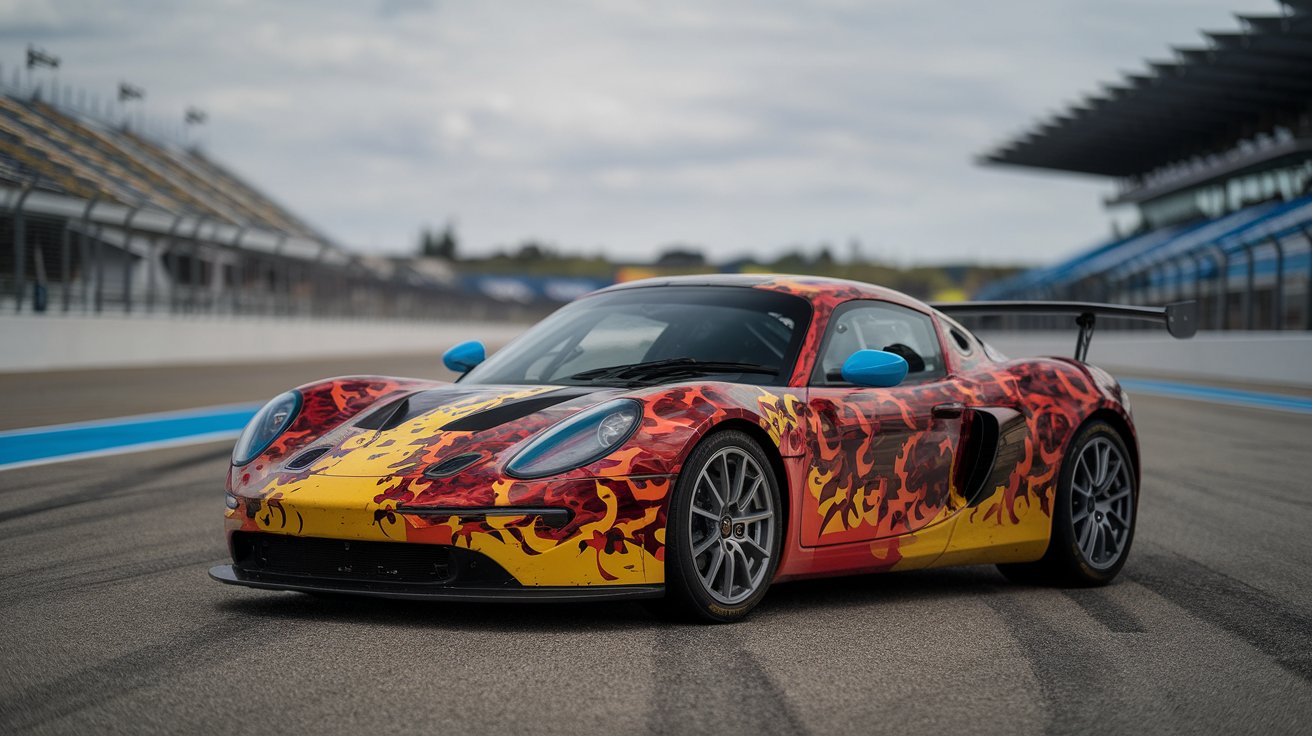
Race car vehicle dynamics represents the scientific study of forces and motions that affect racing vehicles during acceleration, braking, and cornering. This engineering discipline combines physics, mathematics, and practical testing to optimize tire grip, suspension geometry, aerodynamics, and weight distribution. Understanding race car vehicle dynamics is essential for engineers, drivers, and enthusiasts seeking to maximize performance on track while maintaining vehicle stability and safety in competitive motorsport environments.
What is Vehicle Dynamics in Racing Applications
Vehicle dynamics in racing contexts refers to the comprehensive analysis of how race cars respond to driver inputs, track conditions, and environmental factors. This field encompasses lateral dynamics during cornering, longitudinal dynamics during acceleration and braking, and vertical dynamics related to suspension travel and tire contact patch management. The SAE International standards provide the framework for measuring and analyzing these complex interactions, with specific focus on achieving optimal lap times through precise vehicle setup and configuration.
Modern race car vehicle dynamics evolved significantly from the pioneering work documented in Milliken’s Race Car Vehicle Dynamics textbook, first published in 1995. Today’s approach integrates computational simulation, telemetry data analysis, and wind tunnel testing to predict vehicle behavior across varying track conditions. Engineers in 2026 utilize advanced software platforms that model tire friction, aerodynamic downforce, chassis compliance, and power delivery with unprecedented accuracy, allowing teams to optimize setups before physical testing begins.
Fundamental Forces in Race Car Performance
The primary forces governing race car dynamics include longitudinal acceleration forces, lateral cornering forces, vertical load transfer, and aerodynamic forces. Longitudinal forces determine acceleration capability and braking performance, typically measured in g-forces where modern racing vehicles achieve 1.5 to 2.0 g during braking and 0.8 to 1.2 g during acceleration. Lateral forces during cornering can exceed 4.0 g in high-downforce racing categories like IndyCar and Formula 1, requiring sophisticated tire compounds and suspension geometries to maintain contact patch integrity.
Weight transfer phenomena fundamentally affect how race car vehicle dynamics translate driver inputs into actual vehicle motion. During braking, weight transfers forward, increasing front tire normal loads while reducing rear tire grip capacity. Conversely, acceleration transfers weight rearward, demanding careful throttle modulation to prevent rear tire wheelspin. The vertical load transfer equation considers center of gravity height, wheelbase length, and track width to predict tire loading changes. Engineers manipulate suspension spring rates, anti-roll bar stiffness, and damper characteristics to control these weight transfer rates and optimize tire performance across all four corners simultaneously.
Tire Dynamics and Contact Patch Management
Tire behavior represents the critical interface between vehicle and track surface, with all performance ultimately limited by the friction coefficient between tire rubber and pavement. The Pacejka Magic Formula tire model, widely adopted in race car vehicle dynamics simulations, mathematically describes the relationship between slip angle, slip ratio, normal load, and generated forces. Modern racing tires operate within narrow temperature windows, typically 180-220°F for optimal grip, requiring precise suspension geometry and camber settings to maintain the tire contact patch perpendicular to the track surface during cornering.
Contact patch pressure distribution directly influences tire grip performance and degradation rates across race distances. Engineers analyze tire wear patterns, temperature distributions across the tread surface, and pressure data to optimize suspension alignment parameters including camber, caster, and toe settings. The slip angle versus lateral force curve exhibits nonlinear characteristics, with peak grip occurring at 4-8 degrees of slip angle depending on tire construction and compound. Understanding these curves allows engineers to tune suspension compliance and steering geometry for predictable handling characteristics that drivers can exploit consistently throughout race stints.
Suspension Geometry Engineering
Suspension geometry fundamentally controls how race car vehicle dynamics translate chassis motion into tire position changes relative to the track surface. The key parameters include camber gain curves, roll center heights, instant center locations, and anti-dive/anti-squat percentages. Double wishbone suspension systems, prevalent in professional racing, offer independent control over these parameters through careful link length selection and pickup point positioning. Engineers in 2026 utilize multibody dynamics software to simulate suspension kinematics across full wheel travel ranges, optimizing geometry to maintain ideal tire orientation during body roll and vertical displacement.
Roll center height significantly influences lateral load transfer distribution between front and rear axles during cornering. Lower roll centers reduce geometric load transfer while increasing elastic load transfer through suspension springs and anti-roll bars. The trade-off involves balancing responsive turn-in characteristics against mid-corner stability and mechanical grip. Ackermann steering geometry determines the relationship between inner and outer wheel steer angles during cornering, with most race cars employing anti-Ackermann geometry to equalize tire slip angles and optimize total lateral force generation across both front tires simultaneously.
Aerodynamic Forces and Downforce Management
Aerodynamic downforce generation represents a defining characteristic of modern race car vehicle dynamics, with high-performance racing vehicles producing forces exceeding twice their static weight at racing speeds. This downforce increases tire normal loads without adding mass, allowing higher cornering speeds and braking forces. Computational fluid dynamics simulations in 2026 accurately predict airflow patterns, pressure distributions, and resulting forces, enabling teams to develop complex floor geometries, diffusers, and wing configurations that maximize downforce while minimizing drag penalties.
The balance between front and rear downforce distribution critically affects vehicle handling characteristics across varying speeds. Understeer and oversteer tendencies change significantly as aerodynamic forces increase with velocity squared, requiring adjustable wing elements to accommodate different circuit layouts. Ground effect aerodynamics, which generate downforce through underbody venturi tunnels and diffusers, provide more efficient downforce production compared to wings alone, operating less than 2 inches from track surfaces. Managing ride height sensitivity and preventing aerodynamic stall during suspension compression demands sophisticated suspension rate selection and active damping strategies in contemporary racing applications.
The Milliken Research Approach to Vehicle Dynamics
William F. Milliken and Douglas L. Milliken established the foundational methodology for systematic race car vehicle dynamics analysis through their seminal textbook and decades of practical racing research. Their approach emphasizes empirical testing combined with theoretical modeling, utilizing tools like the Milliken Moment Method for analyzing steady-state cornering behavior. Milliken’s Race Car Vehicle Dynamics remains the definitive reference text for engineers worldwide, providing comprehensive coverage of tire modeling, suspension kinematics, aerodynamics, and vehicle performance optimization techniques still relevant in 2026.
The Moment Method Diagram approach graphically represents the relationship between yaw moment and lateral acceleration, enabling engineers to visualize understeer/oversteer characteristics and stability margins across the performance envelope. This technique facilitates systematic setup development by quantifying how specific changes to tire pressures, aerodynamic balance, or suspension settings affect vehicle behavior. Modern applications of Milliken principles incorporate real-time telemetry data acquisition systems that measure steering angle, lateral acceleration, yaw rate, and individual wheel speeds, allowing comparison between actual vehicle behavior and theoretical predictions to validate and refine simulation models continuously throughout race weekends.
SAE Standards and Professional Engineering Practices
The Society of Automotive Engineers established comprehensive standards for race car vehicle dynamics measurement, analysis, and reporting that ensure consistency across the motorsport industry. SAE coordinate systems define standardized axes for force and moment measurements, with the X-axis pointing forward, Y-axis pointing left, and Z-axis pointing upward from the vehicle center of gravity. These conventions enable unambiguous communication between engineers, simulation software developers, and testing facilities when discussing vehicle dynamics parameters and measurement data.
SAE J2970 specifically addresses vehicle dynamics terminology and definitions for motorsport applications, establishing precise language for parameters like understeer gradient, yaw damping coefficient, and roll stiffness distribution. Professional racing organizations reference these standards when establishing technical regulations and performance measurement protocols. SAE J2777 standards for shock absorber testing define procedures for measuring damper force-velocity characteristics on specialized dynamometers, ensuring teams can verify component performance against specifications. In 2026, these standards continue evolving to address emerging technologies including active suspension systems, hybrid powertrains, and advanced driver assistance features in racing contexts.
Problems, Answers, and Experiments in Vehicle Dynamics
The companion volume Race Car Vehicle Dynamics Problems, Answers and Experiments by Daniel Metz provides practical application exercises that reinforce theoretical concepts from the primary Milliken textbook. This resource contains over 200 problems covering tire mechanics, suspension geometry calculations, aerodynamic force analysis, and lap time simulation exercises. Worked solutions with detailed explanations enable self-study and classroom instruction, making these materials essential for university motorsport engineering programs and professional development courses throughout the United States racing industry.
Experimental procedures documented in this supplementary text guide engineers through systematic testing methodologies for characterizing vehicle behavior. These include skid pad testing to measure steady-state cornering performance, step steer input testing to evaluate transient response characteristics, and brake testing procedures to quantify longitudinal weight transfer effects. Data acquisition system setup instructions specify sensor placement, sampling rates, and calibration procedures necessary to obtain accurate measurements. Universities with Formula SAE programs extensively utilize these experimental protocols, with over 120 teams across the United States conducting vehicle dynamics testing following these established procedures during the 2025-2026 competition season.
Accessing Race Car Vehicle Dynamics Resources
Multiple avenues exist for obtaining race car vehicle dynamics educational materials in 2026, accommodating various budget constraints and learning preferences. The primary textbook remains available through SAE International as both hardcover and digital PDF editions, with institutional licenses available for university libraries and racing team facilities. Used copies of race car vehicle dynamics textbooks circulate through online marketplaces, though pricing for well-maintained copies typically ranges from 180 to 350 dollars depending on edition and condition, reflecting the enduring value of this reference material.
Library borrowing options through interlibrary loan systems provide temporary access for students and independent researchers, with many technical university libraries maintaining copies in their motorsport engineering collections. Online forums including dedicated Reddit communities discuss vehicle dynamics concepts and share insights about applying textbook principles to practical racing situations. PDF versions of race car vehicle dynamics materials require careful attention to copyright considerations, with legitimate digital purchases supporting continued development of educational resources within the motorsport engineering community. SAE International periodically offers discounted pricing for student members and bulk purchases by educational institutions.
Advanced Topics in Modern Vehicle Dynamics
Contemporary race car engineering incorporates advanced vehicle dynamics concepts that extend beyond classical steady-state analysis methods. Transient response characteristics during rapid steering inputs, braking-in-turn scenarios, and throttle application mid-corner require sophisticated multi-degree-of-freedom models that account for suspension compliance, tire relaxation lengths, and chassis torsional flexibility. Driver-in-the-loop simulation systems integrate these complex models with high-fidelity motion platforms and visual displays, enabling teams to develop vehicle setups and evaluate handling characteristics before track testing, reducing development costs while accelerating learning curves.
Machine learning algorithms increasingly complement traditional race car vehicle dynamics analysis in 2026, processing vast telemetry datasets to identify optimal setup parameters and predict tire degradation patterns. Neural networks trained on thousands of laps can detect subtle correlations between setup changes and lap time performance that exceed human pattern recognition capabilities. Artificial intelligence applications extend to race strategy optimization, considering how vehicle dynamics performance changes with fuel load reduction, tire wear progression, and temperature variations throughout race distances. These computational tools augment rather than replace fundamental vehicle dynamics understanding, requiring engineers to maintain strong theoretical foundations while leveraging technological advances for competitive advantage.
Practical Applications for Racing Teams
Racing teams apply vehicle dynamics principles through systematic testing programs that correlate simulation predictions with on-track measurements. Pre-season testing focuses on establishing baseline setups across different circuit types, developing spring rate matrices, damper settings, and aerodynamic configurations appropriate for high-speed ovals, road courses, and street circuits. Setup development methodologies follow structured approaches that isolate individual variables, measuring specific performance metrics including minimum corner speeds, braking distances, and tire temperature distributions to validate changes before race applications.
Driver feedback integration with objective vehicle dynamics data creates comprehensive understanding of handling characteristics and required development directions. Engineers translate subjective descriptions like turn-in response, mid-corner balance, and exit traction into quantifiable parameters including yaw rate gain, understeer gradient, and rear slip angle characteristics. United States racing series including NASCAR, IndyCar, and IMSA sports car competition each present unique vehicle dynamics challenges related to regulatory constraints, tire specifications, and circuit characteristics. Professional teams employ specialized vehicle dynamics engineers who utilize Milliken methodologies, SAE standards, and proprietary analytical tools to optimize performance within these diverse competitive environments throughout the 2026 racing season.
Related video about race car vehicle dynamics
This video complements the article information with a practical visual demonstration.
Frequently Asked Questions
What is the best book for learning race car vehicle dynamics?
Race Car Vehicle Dynamics by Milliken and Milliken represents the definitive textbook for comprehensive vehicle dynamics education. Published by SAE International, this 850-page reference covers tire mechanics, suspension geometry, aerodynamics, and performance optimization with mathematical rigor and practical examples. The companion volume Problems, Answers and Experiments by Daniel Metz provides over 200 practice problems with detailed solutions, making this combination ideal for both self-study and formal coursework in motorsport engineering programs throughout the United States.
How do I find race car vehicle dynamics PDF versions legally?
Legitimate PDF versions of race car vehicle dynamics materials are available directly through SAE International’s digital library with individual or institutional licenses. University students can access these resources through campus library subscriptions to SAE’s digital collections. Purchasing authorized digital editions supports continued development of educational materials and ensures access to the most current editions with corrections and updates. Prices for digital editions typically range from 150 to 250 dollars depending on membership status, with significant discounts available for SAE student members and bulk academic purchases.
What SAE standards apply to race car vehicle dynamics?
Several SAE standards govern race car vehicle dynamics practices, with SAE J2970 establishing terminology and coordinate system conventions for motorsport applications. SAE J2777 defines shock absorber testing procedures, while SAE J2564 addresses tire testing methodologies. These standards ensure consistent measurement protocols and terminology across the racing industry. Professional racing series including IndyCar and IMSA reference SAE standards in technical regulations, requiring teams to document vehicle dynamics parameters using standardized measurement techniques and reporting formats throughout the 2026 competition season.
Where can I borrow race car vehicle dynamics textbooks?
University libraries with motorsport engineering programs commonly maintain copies of race car vehicle dynamics textbooks in their collections, available through standard borrowing procedures or interlibrary loan systems. Technical libraries at racing facilities and automotive research centers also stock these references. Public library systems can request copies through interlibrary loan networks, though availability varies by region. Many United States universities including Purdue, North Carolina State, and University of Michigan maintain extensive motorsport engineering collections accessible to visiting researchers and industry professionals by arrangement with library staff.
How much do used race car vehicle dynamics books cost?
Used race car vehicle dynamics textbooks typically sell for 180 to 350 dollars depending on edition, condition, and included companion materials. First editions from 1995 command premium prices among collectors, while more recent printings offer identical technical content at lower cost. The Problems, Answers and Experiments volume separately sells for 120 to 200 dollars used. Complete sets including both volumes range from 350 to 550 dollars through online marketplaces. Condition significantly affects pricing, with highlighted or annotated copies discounted 30-40% compared to pristine examples maintaining original binding integrity.
What experiments are included in race car vehicle dynamics studies?
Standard vehicle dynamics experiments include skid pad testing to measure steady-state cornering limits, typically conducted at constant radius circles ranging from 100 to 200 feet diameter. Step steer input testing evaluates transient response characteristics and stability margins. Brake testing quantifies longitudinal weight transfer and deceleration capabilities across various surface conditions. Suspension kinematic testing on specialized rigs measures camber curves, roll center migration, and instant center locations through full suspension travel. These experiments require proper instrumentation including accelerometers, GPS-based measurement systems, and data acquisition equipment capable of 100 Hz sampling rates to capture detailed vehicle dynamics behavior.
| Key Aspect | Important Details | Benefit |
|---|---|---|
| Milliken Textbook | 850-page comprehensive reference covering tire dynamics, suspension, aerodynamics | Industry-standard knowledge base for professional engineers |
| SAE Standards | J2970 terminology, J2777 damper testing, standardized coordinate systems | Consistent measurement protocols across racing industry |
| Problems & Experiments | 200+ practice problems with solutions, experimental procedures | Practical application skills for engineering students |
| Tire Dynamics | Pacejka models, contact patch management, 180-220°F optimal temperature | Maximize grip performance and consistency |
| Aerodynamics | Downforce exceeding 2x vehicle weight, ground effect efficiency | Higher cornering speeds without mass penalties |
| Suspension Geometry | Double wishbone systems, roll center optimization, Ackermann settings | Predictable handling and tire orientation control |