
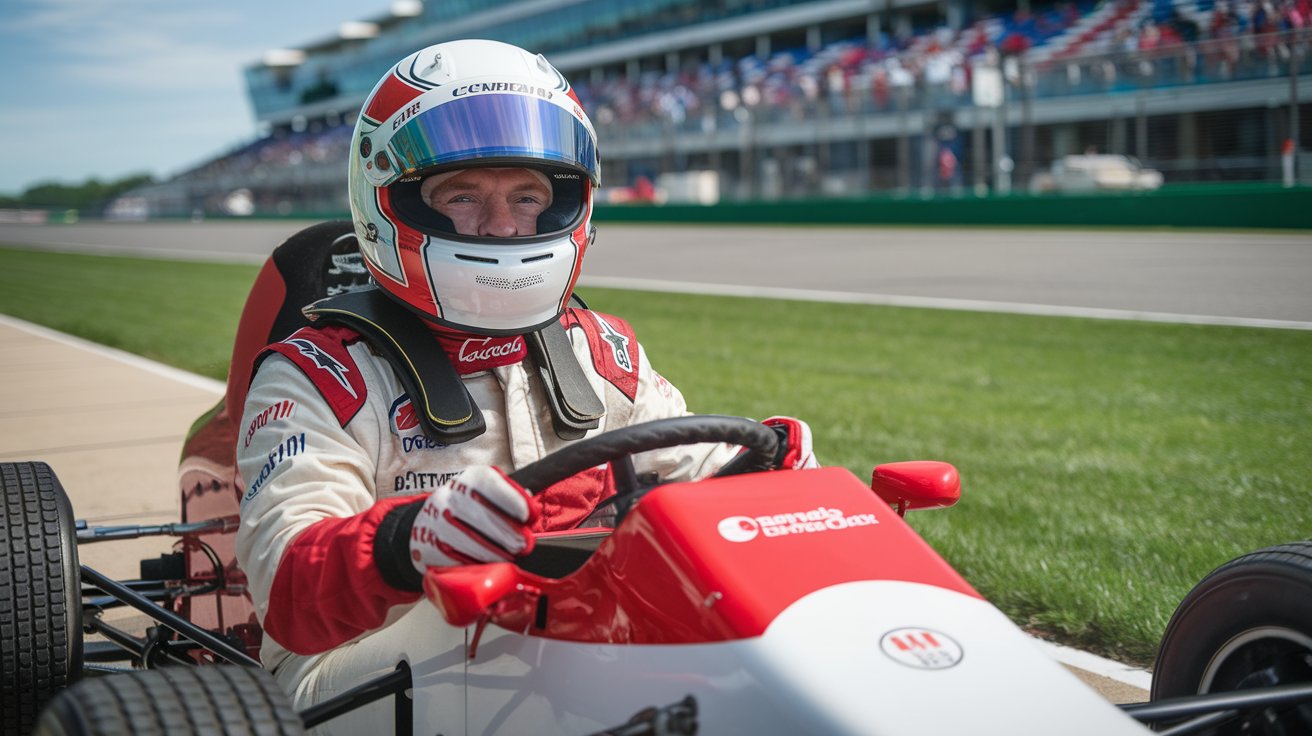
Canada has produced some of the most successful race car drivers in motorsport history, competing at the highest levels of NASCAR, Formula 1, and IndyCar racing. From Jacques Villeneuve’s F1 championship to modern stars like Lance Stroll, Canadian drivers continue to make their mark on international racing circuits. This comprehensive guide explores the legendary names, current competitors, and rising talent that define Canadian motorsport excellence in 2026.
Most Successful Canadian Race Car Drivers in History
Jacques Villeneuve stands as Canada’s most accomplished racing driver, winning the 1997 Formula 1 World Championship with Williams-Renault and the 1995 IndyCar Championship. His father, Gilles Villeneuve, remains one of the most beloved figures in F1 history despite never winning a championship, earning six Grand Prix victories between 1978 and 1982 before his tragic death at the 1982 Belgian Grand Prix. These two drivers represent the pinnacle of Canadian racing achievement and inspired generations of drivers.
Beyond the Villeneuve dynasty, Paul Tracy dominated IndyCar racing with 31 career victories and the controversial 2003 CART championship. Greg Moore showed exceptional promise before his tragic death in 1999, while Patrick Carpentier accumulated multiple wins across CART and NASCAR competition. In sports car racing, Scott Goodyear and Ron Fellows achieved international success, with Fellows becoming a Corvette Racing legend and winning multiple times at the 24 Hours of Daytona.
Current Canadian F1 Drivers in 2026
Lance Stroll remains the sole Canadian driver in Formula 1 for the 2026 season, competing with Aston Martin Racing. The Toronto-born driver joined F1 in 2017 and has secured three podium finishes throughout his career, including a memorable third-place result at the 2020 Italian Grand Prix. His father, Lawrence Stroll, owns the Aston Martin F1 team, providing unique stability in his racing career. Despite facing criticism about his path to F1, Lance Stroll has demonstrated consistent improvement and remains competitive in the midfield battle.
Canada has produced 13 Formula 1 drivers throughout the sport’s history, with Villeneuve being the only world champion. Other notable Canadian F1 competitors include George Eaton, Bertrand Fabi, Gerald Klippel, and Robert La Caze in earlier decades. The country’s F1 representation peaked during the 1990s and early 2000s when multiple Canadian drivers competed simultaneously. In 2026, emerging Canadian talent in junior formulas includes several drivers in Formula 2 and Formula 3, suggesting future F1 prospects may emerge within the next three to five years.
Canadian NASCAR Drivers Making an Impact
Several Canadian drivers compete in NASCAR across various series in 2026, continuing a tradition established by pioneers in the sport. D.J. Kennington remains one of Canada’s most recognized NASCAR competitors, primarily racing in the NASCAR Xfinity Series and Craftsman Truck Series with occasional Cup Series appearances. The Cayuga, Ontario native has become a regular fixture at road courses and represents Canadian racing in America’s most popular motorsport.
Alex Tagliani transitioned from IndyCar success to NASCAR competition, racing in the Xfinity and Truck Series while maintaining his presence in sports car racing. Louis-Philippe Dumoulin and Marc-Antoine Camirand represent Quebec’s strong racing culture in NASCAR’s Canadian series and occasional American events. Historically, Ron Fellows achieved significant NASCAR success with multiple road course victories in the Cup Series during the 2000s, proving Canadian drivers could compete at NASCAR’s highest level.
Rising Canadian Talent in NASCAR Regional Series
The NASCAR Canada Series continues developing young Canadian drivers for potential advancement to American NASCAR competition. In 2026, drivers like Stewart Friesen compete across multiple NASCAR series while maintaining their Canadian roots. The Pinty’s Series serves as the primary development ground for Canadian NASCAR hopefuls, with several drivers showing potential for advancement to the Xfinity or Truck Series. Canadian representation in NASCAR has expanded beyond traditional road course specialists to include oval racing competitors demonstrating versatility.
Historical Canadian NASCAR Success Stories
Ron Fellows earned legendary status by winning three NASCAR Cup Series races, all on road courses, between 1999 and 2004. His victories at Watkins Glen and Sonoma proved Canadian drivers could compete with America’s best stock car racers. Andrew Ranger showed promise in NASCAR’s development series before transitioning to sports car racing. These success stories demonstrate that while Canadian NASCAR representation remains smaller than in open-wheel racing, talented drivers from Canada can achieve significant accomplishments in stock car competition.
Past and Current Canadian IndyCar Drivers
Paul Tracy dominated CART and Champ Car racing with 31 victories, making him one of the most successful Canadian open-wheel drivers in history. The West Hill, Ontario native competed from 1991 to 2008, winning the 2003 CART championship and earning a reputation as an aggressive, spectacular driver. His rivalry with other top drivers defined an era of North American open-wheel racing and elevated Canadian motorsport visibility.
James Hinchcliffe represents modern Canadian IndyCar success, winning six IndyCar races between 2013 and 2018 while becoming one of the series’ most popular drivers. The Oakville native survived a life-threatening crash in 2015 and returned to competitive racing, demonstrating remarkable resilience. Other notable Canadian IndyCar competitors include Alex Tagliani, who won the 2004 Champ Car race in Montreal, and Robert Wickens, whose promising career was derailed by a serious 2018 crash. In 2026, Canadian IndyCar presence has decreased from its peak in the 1990s and 2000s, but development programs continue identifying future talent.
Legendary Canadian CART and Champ Car Champions
Before IndyCar’s reunification, CART and Champ Car racing featured numerous successful Canadian drivers. Scott Goodyear achieved 12 career victories and finished second in the 1992 Indianapolis 500 by just 0.043 seconds, one of the closest finishes in race history. Patrick Carpentier won seven Champ Car races and consistently competed for championships in the early 2000s. Greg Moore won five CART races before his tragic death in 1999, with many experts believing he would have become a championship contender and potential F1 driver. These drivers established Canada’s reputation as a producer of exceptional open-wheel racing talent.
Modern IndyCar Canadian Representation
In 2026, Canadian participation in IndyCar has diminished compared to the golden era of the 1990s and 2000s. Economic factors and limited sponsor support have reduced opportunities for Canadian drivers to secure competitive rides. However, junior formula programs in Canada continue developing talent, with several drivers competing in Indy Lights and USF2000 series. The Toronto and Edmonton street races previously provided home events for Canadian drivers, though calendar changes have affected these opportunities. Despite current challenges, Canada’s open-wheel racing tradition suggests future IndyCar stars will emerge from the country’s motorsport development programs.
Tragic Losses: Canadian Race Car Drivers Killed in Competition
Gilles Villeneuve’s death during qualifying for the 1982 Belgian Grand Prix remains one of motorsport’s most tragic moments. The Ferrari driver’s fatal accident occurred when his car launched into the air after contact with another competitor, resulting in massive injuries. His death shocked the racing world and led to improved safety measures in Formula 1 competition. The Circuit Gilles Villeneuve in Montreal honors his memory and hosts the Canadian Grand Prix annually.
Greg Moore’s fatal crash at the 1999 CART season finale at California Speedway devastated the racing community. At just 24 years old, the Maple Ridge native was considered a future IndyCar champion and potential F1 star. His violent crash resulted from wheel contact that sent his car into the wall at over 200 mph. Robert Crook died in a 1969 accident at Mosport, while John Bonnier (though Swiss-born, representing Canada) died at Le Mans in 1972. These tragedies remind us of motorsport’s inherent dangers despite continuous safety improvements that have dramatically reduced fatalities in modern racing.
Canadian Sports Car and Endurance Racing Champions
Ron Fellows achieved legendary status in sports car racing, particularly with Corvette Racing, winning his class at the 24 Hours of Le Mans in 2001 and 2002. The Toronto-area driver accumulated numerous victories at the 24 Hours of Daytona and 12 Hours of Sebring, becoming one of North America’s most successful endurance racing drivers. His versatility across NASCAR, sports cars, and touring car competition demonstrates the breadth of Canadian racing talent.
Scott Goodyear transitioned successfully from IndyCar to sports car racing, winning major endurance events including the 24 Hours of Daytona. Bruno Spengler, though German-born, represents Canada internationally and won the 2012 DTM Championship, one of Europe’s premier touring car series. In 2026, Canadian drivers continue competing in IMSA WeatherTech SportsCar Championship and other international endurance series. James Hinchcliffe has participated in sports car events alongside his IndyCar career, while younger Canadian drivers use endurance racing as development opportunities for advancing to prototype and GT competition.
Women Breaking Barriers in Canadian Racing
Erin Crocker and other female Canadian drivers have competed in various racing series, though representation remains limited compared to male drivers. In 2026, initiatives promoting women in motorsport have increased opportunities for female Canadian drivers to access competitive racing programs. Several women compete in regional and national racing series across Canada, with aspirations to reach international competition.
Organizations like Motorsport Canada and various provincial racing associations have implemented programs specifically supporting female driver development. These initiatives provide scholarship opportunities, mentorship, and racing equipment access to young women interested in pursuing racing careers. While Canada has not yet produced a female driver reaching F1 or IndyCar’s top levels, progress in junior formulas suggests future breakthrough performances may occur within the next decade as support systems strengthen and opportunities expand.
Development Programs Creating Future Canadian Stars
The ASN Canada FIA organization oversees motorsport development programs designed to identify and nurture young Canadian racing talent. These initiatives provide pathways from karting through junior formulas toward professional racing careers in F1, IndyCar, NASCAR, and sports car competition. In 2026, several promising young Canadians compete in Formula Regional Americas, USF2000, and other developmental series.
Karting programs across Canada serve as the foundation for driver development, with major facilities in Ontario, Quebec, and British Columbia producing talented young racers. The Bridgestone Racing Academy and similar programs offer scholarship opportunities for top karting graduates to advance to car racing. Financial challenges remain the primary obstacle for Canadian drivers, as racing careers require substantial funding that limits opportunities compared to American and European competitors. However, increased corporate sponsorship interest and growing recognition of Canadian motorsport success have improved prospects for emerging talent in recent years.
Junior Formula Success Stories
Several young Canadian drivers have achieved success in junior formula competition during the 2020s, positioning themselves for potential advancement to top-level racing. Formula 3 and Formula 2 feature Canadian competitors gaining valuable experience on international circuits. The Road to Indy program provides a structured pathway from USF2000 through Indy Lights to IndyCar, with Canadian drivers regularly competing across these series. Success in junior formulas requires not only driving talent but also substantial financial backing, technical understanding, and mental resilience to handle competitive pressure at young ages.
Scholarship and Funding Opportunities
Multiple organizations provide financial support for promising Canadian racing drivers through scholarship programs and grant opportunities. The FIA Driver Development Program has supported Canadian participants, while private foundations established by former drivers offer assistance to young talent. In 2026, estimated costs for competing in junior formula series range from $200,000 to over $1 million annually, making financial support crucial for drivers lacking substantial personal wealth. Crowdfunding and corporate partnerships have emerged as alternative funding sources, allowing talented drivers without traditional backing to pursue racing careers through innovative financial models.
Canadian Grand Prix and Home Racing Advantages
The Canadian Grand Prix at Circuit Gilles Villeneuve in Montreal represents Canada’s premier motorsport event, hosting Formula 1 annually since 1978 with brief interruptions. This event provides Canadian drivers with home race advantages including familiar surroundings, supportive crowds, and reduced travel demands. Lance Stroll benefits from racing before enthusiastic Canadian fans who create an electric atmosphere during the Montreal race weekend.
Historically, Toronto’s IndyCar street race and the Edmonton Indy provided additional home events for Canadian open-wheel drivers, though the Edmonton race ended in 2012. The Toronto race continues featuring a challenging street circuit where Canadian drivers have achieved notable success. In 2026, Canadian racing fans support their drivers passionately at these events, creating memorable atmospheres that distinguish Canadian races from other venues. The presence of home races also helps Canadian drivers attract sponsorship from domestic companies seeking marketing opportunities tied to national pride and local hero support.
Regional Racing Series Developing Canadian Talent
The NASCAR Canada Series serves as the primary stock car racing development program, featuring talented drivers competing on ovals and road courses across Canada. This series has produced drivers who advanced to American NASCAR competition and provides crucial experience for young racers learning car control and race craft. In 2026, the series maintains a competitive field with manufacturer support from Toyota and Chevrolet, ensuring quality equipment and professional operations.
Canadian Touring Car Championship provides sedan racing opportunities, while various regional sports car series operate across the country. These programs allow drivers to develop skills and gain racing experience at lower costs than international series. The Formula 1600 series remains popular for young drivers transitioning from karting to open-wheel cars, offering affordable racing with competitive fields. Provincial racing associations in Ontario, Quebec, Alberta, and British Columbia organize championships that identify promising talent for advancement to national and international competition.
Impact of Canadian Drivers on Global Motorsport
Canadian racing drivers have significantly influenced motorsport globally, establishing the country’s reputation for producing skilled, competitive racers across multiple disciplines. Jacques Villeneuve’s F1 world championship remains Canada’s pinnacle achievement in international motorsport, while numerous IndyCar and sports car victories demonstrate consistent Canadian excellence. The aggressive, spectacular driving style associated with drivers like Gilles Villeneuve and Paul Tracy has become synonymous with Canadian racing identity.
Beyond individual achievements, Canadian drivers have contributed to motorsport safety improvements following tragic accidents that prompted rule changes and equipment upgrades. The racing community’s response to losses like Gilles Villeneuve and Greg Moore led to enhanced safety standards that protect modern drivers. In 2026, Canadian motorsport heritage continues inspiring young drivers who view legendary Canadian racers as role models. The country’s contribution to racing extends beyond driver talent to include engineers, team personnel, and technical experts working throughout global motorsport, demonstrating Canada’s comprehensive impact on the industry.
Related video about canadian race car drivers
This video complements the article information with a practical visual demonstration.
Your questions answered
What NASCAR drivers are from Canada?
Several Canadian drivers compete in NASCAR including D.J. Kennington, Alex Tagliani, and Stewart Friesen who race across the Xfinity Series, Craftsman Truck Series, and occasionally Cup Series events. Historically, Ron Fellows achieved the greatest NASCAR success with three Cup Series victories on road courses. The NASCAR Canada Series continues developing young Canadian talent for potential advancement to American NASCAR competition, with drivers like Louis-Philippe Dumoulin and Marc-Antoine Camirand representing Quebec’s racing culture in 2026.
Are there any Canadian drivers in F1?
Lance Stroll is the only Canadian driver competing in Formula 1 for the 2026 season, racing with Aston Martin F1 Team. The Toronto-born driver has competed in F1 since 2017 and has achieved three podium finishes throughout his career. Canada has produced 13 Formula 1 drivers historically, with Jacques Villeneuve being the only Canadian to win the F1 World Championship in 1997. Several young Canadian drivers currently compete in Formula 2 and Formula 3, suggesting future F1 prospects may emerge within the coming years.
Who was Canada’s most successful racing car driver?
Jacques Villeneuve stands as Canada’s most successful racing driver, winning both the 1997 Formula 1 World Championship and the 1995 IndyCar Championship including victory at the Indianapolis 500. He remains the only Canadian to win an F1 title and achieved 11 Grand Prix victories during his Formula 1 career. His father, Gilles Villeneuve, though never winning a championship, earned legendary status with six F1 victories and is considered one of the sport’s most naturally talented drivers. In CART/IndyCar racing, Paul Tracy’s 31 victories represent exceptional achievement across American open-wheel competition.
What do F1 drivers do if they need to go to the bathroom during a race?
Formula 1 drivers typically manage bathroom needs before races through careful hydration strategies and pre-race routines. However, if necessary during a race, drivers will urinate in their race suits as stopping is not feasible during competition. The extreme physical demands, high cockpit temperatures, and significant perspiration mean drivers lose substantial fluid through sweat, reducing bathroom urgency. Race suits and undergarments are designed with moisture-wicking materials that minimize discomfort if this occurs. Most F1 drivers report rarely needing to urinate during races due to fluid loss through perspiration in the hot cockpit environment that can exceed 140°F (60°C).
How many Canadian drivers have competed in IndyCar?
Over 50 Canadian drivers have competed in IndyCar, CART, and Champ Car racing throughout history, with the 1990s and 2000s representing the peak era for Canadian participation. Notable names include Paul Tracy (31 wins), Jacques Villeneuve (1995 champion), James Hinchcliffe (6 wins), Scott Goodyear (12 wins), Greg Moore (5 wins), and Patrick Carpentier (7 wins). In 2026, Canadian representation has decreased compared to previous decades, though development programs continue identifying future IndyCar talent through the Road to Indy ladder system and Canadian racing series.
Who are the rising young Canadian racing drivers to watch?
Several young Canadian drivers compete in junior formulas and developmental series in 2026, showing promise for future success in top-level motorsport. Drivers in Formula Regional Americas, USF2000, and Indy Lights represent the next generation of Canadian racing talent pursuing IndyCar careers. In stock car racing, emerging drivers in the NASCAR Canada Series demonstrate potential for advancement to American NASCAR competition. The challenge remains securing adequate funding, as modern racing careers require substantial financial backing ranging from $200,000 to over $1 million annually depending on the series and competitive level.
| Racing Category | Notable Canadian Drivers | Key Achievements |
|---|---|---|
| Formula 1 | Jacques Villeneuve, Gilles Villeneuve, Lance Stroll | 1 World Championship (1997), 17 Grand Prix wins combined, Current F1 presence |
| IndyCar/CART | Paul Tracy, James Hinchcliffe, Scott Goodyear | 60+ combined race victories, Multiple championships, Indy 500 success |
| NASCAR | Ron Fellows, D.J. Kennington, Alex Tagliani | 3 Cup Series wins, Regular Xfinity/Truck competition, Road course specialists |
| Sports Car Racing | Ron Fellows, Scott Goodyear, Bruno Spengler | Le Mans class victories, Daytona 24 wins, DTM Championship (2012) |
| Development Programs | ASN Canada FIA, NASCAR Canada Series | Ongoing talent development, Scholarship opportunities, Karting to professional pathways |