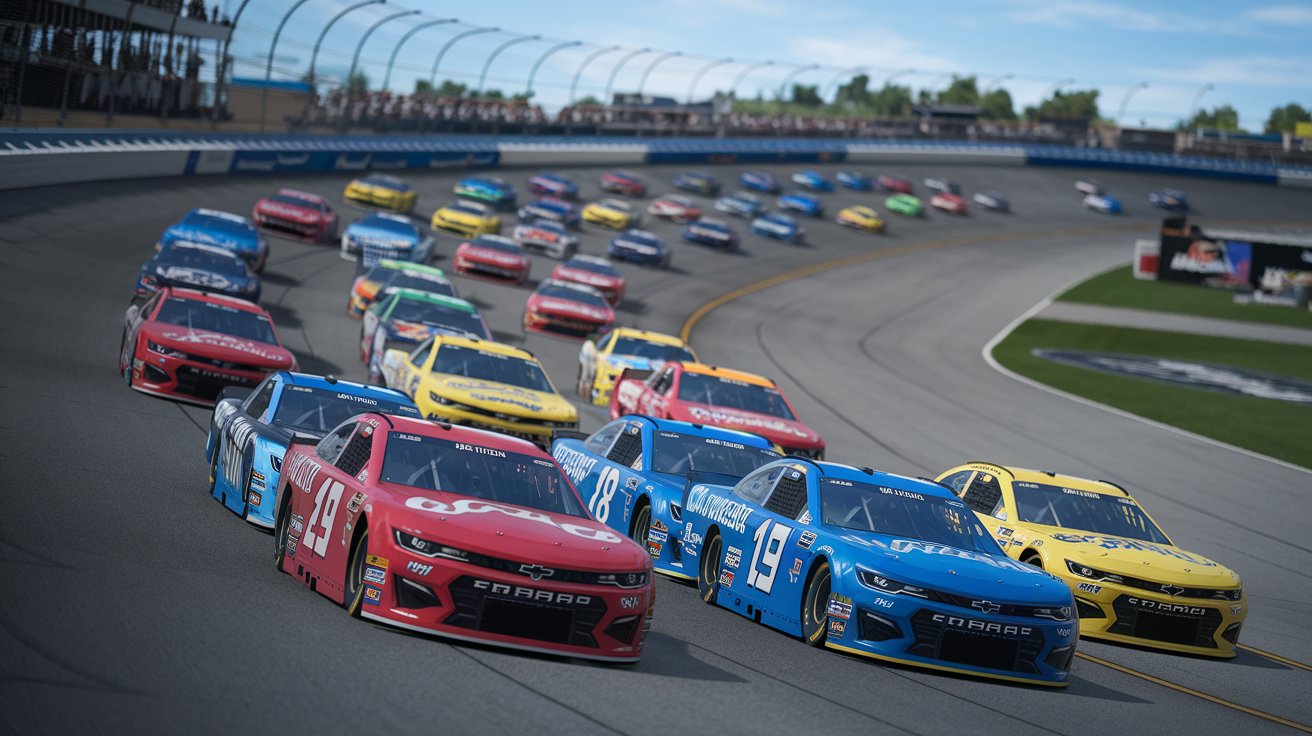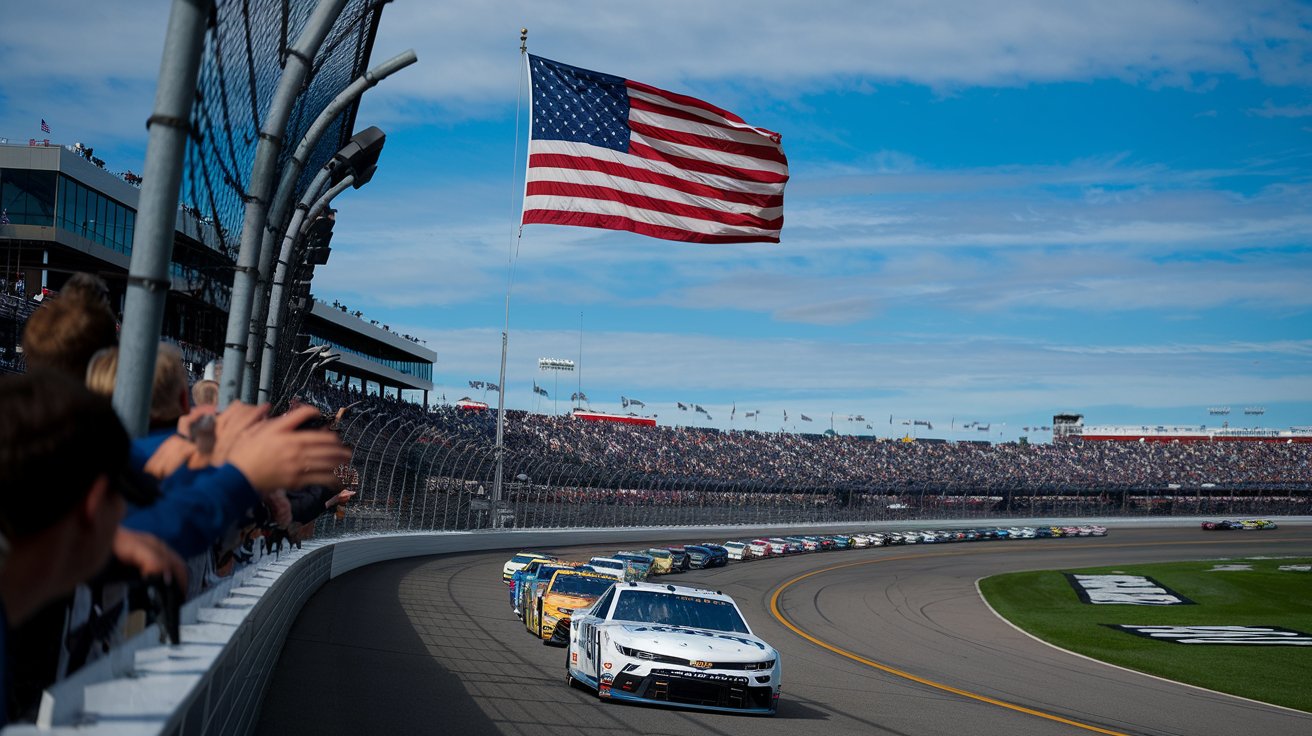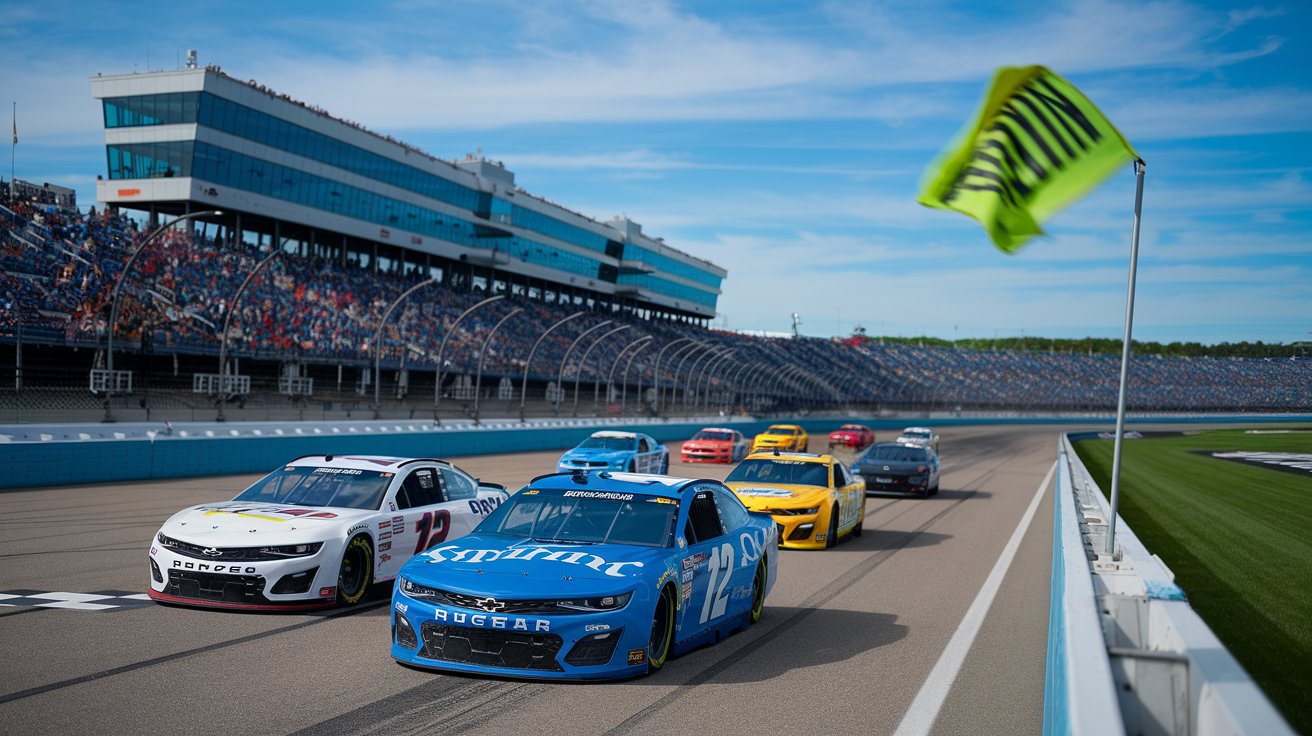
NASCAR vehicles represent some of the fastest stock cars in motorsport history, with speeds that vary dramatically based on track configuration and regulations. In 2026, NASCAR Cup Series cars reach top speeds between 180-212 mph depending on the circuit type. At superspeedways like Daytona and Talladega, these machines consistently exceed 200 mph, while short tracks and road courses see speeds ranging from 120-180 mph through technical sections. Understanding these velocity variations requires examining engine specifications, aerodynamic packages, track characteristics, and safety regulations that govern modern NASCAR competition.
NASCAR Top Speed Records and Current Performance
The fastest recorded NASCAR speed occurred during testing at Talladega Superspeedway, where Bill Elliott reached 212.809 mph in 1987. However, modern NASCAR vehicles in 2026 operate under different aerodynamic and engine regulations that prioritize competitive balance and safety. Current Next Gen cars achieve maximum speeds of approximately 200-205 mph at unrestricted superspeedway configurations during practice sessions. These velocities represent the pinnacle of stock car performance within regulatory boundaries established by NASCAR officials.
During actual race conditions at Daytona International Speedway, Cup Series cars maintain sustained speeds between 195-200 mph on straightaways with drafting assistance. The Daytona 500 in 2026 saw average qualifying speeds near 198 mph, demonstrating how restrictor plates and tapered spacers limit absolute velocity while maintaining close competition. Talladega speeds typically exceed Daytona figures by 2-3 mph due to the slightly longer straightaways and higher banking angles of 33 degrees compared to Daytona’s 31-degree turns.
Speed Variations Across Different NASCAR Track Types
NASCAR competition venues divide into five distinct categories, each producing dramatically different speed profiles and racing characteristics. Superspeedways generate the highest velocities, while short tracks emphasize acceleration and handling over sustained top speed. Understanding these differences provides essential context for appreciating the versatility required of modern stock car drivers and engineering teams throughout a 36-race championship season.
Superspeedway Speeds at Daytona and Talladega
Superspeedways represent the fastest NASCAR configurations, with Daytona and Talladega being the only two tracks in this category. These facilities feature tri-oval layouts with banking exceeding 30 degrees and straightaways extending beyond 3,000 feet. At Talladega Superspeedway, the 2.66-mile circuit allows cars to reach approximately 202-205 mph in draft during race conditions. The Coca-Cola 600 does not occur at these tracks, instead taking place at Charlotte Motor Speedway, a 1.5-mile intermediate facility where speeds reach 190-195 mph.
The Daytona 500 consistently produces pack racing with cars maintaining speeds between 195-200 mph for extended periods. Drafting dynamics at these venues allow multiple cars to work together, with trailing vehicles experiencing reduced aerodynamic resistance. This phenomenon enables speed increases of 5-8 mph when properly positioned behind another car, creating the strategic element that defines superspeedway competition in modern NASCAR racing.
Intermediate Track and Speedway Velocities
Intermediate tracks spanning 1.0 to 2.0 miles constitute the majority of the NASCAR Cup Series schedule in 2026, with facilities like Charlotte, Kansas, Las Vegas, and Texas hosting multiple events annually. These circuits produce top speeds ranging from 185-195 mph on straightaways, with corner speeds dropping to 160-175 mph depending on banking angles and turn radius. The Next Gen car’s enhanced aerodynamic efficiency maintains higher minimum speeds through corners compared to previous generation vehicles.
At Charlotte Motor Speedway, home of the Coca-Cola 600, cars achieve approximately 192-194 mph on the front straightaway while carrying 170-175 mph through the 24-degree banked turns. The 600-mile race distance tests both maximum velocity capabilities and sustained performance over 400 laps, making it one of the most demanding events on the schedule. Intermediate tracks require optimal setup balance between straightaway speed and cornering capability.
How NASCAR Compares to Formula 1 and IndyCar Speeds
When comparing NASCAR to other premier motorsport series, each category excels in different performance metrics based on their distinct technical regulations and racing philosophies. Formula 1 cars achieve higher cornering speeds through advanced aerodynamics and lighter weight, while IndyCar oval competition produces velocities comparable to NASCAR superspeedways. Understanding these distinctions requires examining specific performance characteristics rather than simply comparing maximum speeds.
NASCAR vs Formula 1 Speed Comparison
The question is F1 faster than NASCAR depends entirely on the performance metric being measured. Formula 1 cars achieve top speeds of approximately 220-230 mph on long straights at circuits like Monza and Baku, exceeding NASCAR’s maximum velocities by 15-25 mph. However, F1 vehicles weigh only 1,764 pounds (without driver) compared to NASCAR’s 3,200-pound minimum weight, allowing dramatically higher cornering forces and acceleration rates. Formula 1 cars complete road course laps 15-25 seconds faster than NASCAR vehicles on comparable circuits.
Where NASCAR excels is sustained high-speed racing over extended periods, with drivers maintaining 195+ mph for consecutive laps at superspeedways. Formula 1 races rarely feature sustained speeds above 180 mph except on specific straights, with average race speeds typically ranging from 130-155 mph depending on circuit configuration. The physical demands differ significantly, with NASCAR drivers experiencing sustained high-speed loads for 3-4 hours at superspeedways, while F1 pilots endure higher lateral G-forces through corners for shorter race durations.
NASCAR vs IndyCar Velocity Analysis
IndyCar competition presents the closest comparison to NASCAR speeds, particularly on oval configurations where Indy cars achieve 220-235 mph at tracks like Texas Motor Speedway and Indianapolis Motor Speedway. The Indianapolis 500 regularly sees qualifying speeds exceeding 230 mph, surpassing any NASCAR venue by 25-30 mph. This velocity advantage stems from IndyCar’s lighter chassis weight of approximately 1,630 pounds and more aggressive aerodynamic packages optimized for open-wheel racing.
On road courses, the performance gap narrows considerably, with NASCAR and IndyCar lap times within 5-10 seconds of each other on shared facilities like Circuit of the Americas and Indianapolis Motor Speedway road course. NASCAR’s superior mechanical grip from wider tires partially offsets IndyCar’s aerodynamic advantages on technical sections. Both series prioritize different engineering philosophies, with NASCAR emphasizing durability and close competition while IndyCar focuses on maximum performance and versatility across diverse track types.
Engineering Factors That Determine NASCAR Speed
Multiple technical elements combine to determine how fast NASCAR cars go under various conditions, with engine output, aerodynamic efficiency, tire compound selection, and vehicle weight all playing critical roles. The Next Gen car introduced in 2022 and refined through 2026 features significant technological advances that influence velocity capabilities while maintaining competitive parity across all teams regardless of budget disparities.
Engine Specifications and Power Output
NASCAR Cup Series engines in 2026 consist of naturally aspirated 358 cubic inch V8 powerplants producing approximately 670 horsepower at most tracks with unrestricted configurations. These engines utilize electronic fuel injection systems and rev to approximately 9,000 RPM, generating peak torque near 6,500 RPM. At superspeedway events, NASCAR mandates tapered spacers that reduce engine output to approximately 510 horsepower, limiting top speeds for safety considerations while maintaining close pack racing dynamics.
The FR9 engines from Ford, R07 engines from Chevrolet, and TRD engines from Toyota all meet identical technical specifications enforced by NASCAR officials. This parity ensures that speed advantages come from aerodynamic optimization and driver skill rather than raw power differentials. Engine durability requirements mandate that powerplants survive 600-1,000 miles between rebuilds, necessitating conservative tuning compared to other motorsport series that prioritize peak performance over longevity.
Aerodynamic Package and Downforce Configuration
The Next Gen car features a symmetrical aerodynamic design that generates approximately 2,000-2,500 pounds of downforce at 180 mph depending on track-specific configurations. Front splitter dimensions, rear spoiler height, and radiator pan specifications vary by venue type, with superspeedways receiving minimal downforce packages to maximize straightaway speed. Intermediate tracks and short ovals utilize increased downforce configurations that improve cornering speeds while reducing top velocities.
Aerodynamic efficiency expressed as lift-to-drag ratio determines how effectively engines convert horsepower into forward velocity. NASCAR vehicles achieve L/D ratios of approximately 2.5-3.5, significantly lower than Formula 1’s 4.0-5.0 ratios but optimized for stock car body shapes. The flat underbody and rear diffuser introduced with the Next Gen chassis create ground effects that enhance stability at high speeds, allowing drivers to maintain throttle confidence through 190+ mph corner entries at superspeedways.
How Fast NASCAR Cars Accelerate and Brake
While top speed generates headlines, acceleration and deceleration capabilities prove equally important for lap time performance, particularly at short tracks and road courses where maximum velocity occupies a smaller percentage of total lap time. NASCAR vehicles demonstrate impressive acceleration from corner exit speeds of 100-120 mph to straightaway velocities exceeding 180 mph in approximately 5-7 seconds depending on gear ratios and aerodynamic configuration.
From a complete stop, NASCAR Cup Series cars reach 60 mph in approximately 3.4-3.8 seconds, with 100 mph arriving in roughly 6.5-7.0 seconds. These figures reflect street tire compound limitations and vehicle weight rather than engine capability. At road courses, carbon-carbon brake systems allow deceleration from 180 mph to 60 mph in approximately 3.5-4.0 seconds over distances of 350-400 feet, generating forces exceeding 3.5 G during maximum braking events. The Next Gen independent rear suspension improves braking stability compared to previous solid-axle configurations.
Short Track and Road Course NASCAR Speeds
Not all NASCAR competition emphasizes maximum velocity, with short tracks under one mile in length and technical road courses prioritizing handling, acceleration, and braking over sustained top speeds. Facilities like Martinsville Speedway, Bristol Motor Speedway, and road courses at Sonoma and Watkins Glen produce dramatically different speed profiles that test different driver skill sets and engineering approaches.
Short Track Speed Characteristics
At Martinsville Speedway, NASCAR’s shortest track at 0.526 miles, Cup Series cars reach maximum straightaway speeds of only 120-125 mph before braking for tight, flat corners with virtually no banking. Corner speeds drop to 45-60 mph at Martinsville, making it the slowest NASCAR venue by top speed but one of the most physically demanding due to constant acceleration and braking cycles. Bristol Motor Speedway’s 0.533-mile high-banked configuration allows higher velocities of 125-130 mph despite similar length.
Richmond Raceway and Phoenix Raceway represent slightly larger short tracks where speeds reach 130-145 mph on straightaways with corner velocities of 100-115 mph depending on setup configuration. These venues emphasize mechanical grip and driver precision over aerodynamic efficiency, requiring suspension setups that maximize tire contact patch through low-speed corners. Short track racing demands over 600 braking events per race compared to fewer than 50 at superspeedways, creating unique technical challenges.
Road Course Speed Ranges
NASCAR road courses feature maximum speeds between 160-185 mph on the longest straightaways, with technical sections requiring deceleration to 45-75 mph for tight hairpin corners. At Watkins Glen International, cars reach approximately 180 mph in the portion of track formerly known as the Boot section, while the tight turn one hairpin requires entry speeds near 55 mph. Circuit of the Americas features a long front straight where vehicles achieve 175-180 mph before braking for the steep uphill turn one complex.
The Indianapolis Motor Speedway road course combines portions of the famous oval straightaway, where speeds reach 185 mph, with technical infield sections requiring 60-100 mph cornering velocities. Road course racing in 2026 represents approximately 15-20% of the Cup Series schedule, requiring teams to develop versatile setups that balance maximum straightaway speed with responsive handling characteristics. Average lap speeds at road courses typically range from 95-115 mph depending on track length and corner density.
Safety Regulations That Limit NASCAR Top Speeds
NASCAR implements multiple speed-limiting safety regulations designed to protect driver welfare while maintaining competitive entertainment value. These restrictions have evolved significantly since the 1980s when unrestricted superspeedway speeds exceeded 212 mph, raising concerns about tire integrity, catchfence loads, and driver survivability during high-speed impacts. Modern safety protocols balance performance with risk management through technical mandates.
The primary speed-limiting mechanism involves tapered spacers at superspeedways, reducing engine airflow and power output from 670 to approximately 510 horsepower. This restriction lowers top speeds by 15-20 mph compared to unrestricted configurations while promoting pack racing dynamics. Additional limitations include minimum vehicle weight requirements of 3,200 pounds, mandatory roof height specifications, and aerodynamic component restrictions that prevent teams from achieving extreme efficiency gains. Pit road speed limits of 45-55 mph depending on track configuration further enhance safety during competition.
How Track Banking Angles Affect NASCAR Velocity
Banking angle represents a critical factor determining how fast NASCAR cars can navigate turns while maintaining optimal racing lines and tire grip. Facilities range from completely flat corners at road courses to extreme 33-degree banking at Talladega Superspeedway, with each configuration requiring different driving techniques and setup philosophies. Banking allows vehicles to carry higher speeds through corners by converting some lateral G-forces into vertical loads supported by tire compression.
At Talladega’s 33-degree banking, cars maintain 195-200 mph through corners with relatively modest steering inputs, as the track angle naturally guides vehicles through the turn. Conversely, Martinsville’s flat corners require aggressive braking and precise steering to navigate 45-60 mph turns without sliding up the track. Intermediate facilities like Kansas Speedway with progressive banking from 17-20 degrees allow multiple racing grooves, with higher lanes supporting speeds 2-3 mph faster than lower lines due to increased banking angles. Charlotte’s consistent 24-degree banking creates predictable handling characteristics that enable precise setup optimization.
Tire Technology and Its Impact on NASCAR Speed
Goodyear serves as the exclusive tire supplier for NASCAR Cup Series competition in 2026, developing specialized compounds and construction methods for each track configuration. Tire technology directly influences maximum speeds by determining available mechanical grip, optimal operating temperatures, and wear characteristics over race distances. The Next Gen car’s 18-inch diameter wheels represent a significant change from previous 15-inch wheels, allowing larger brake packages and improved handling response.
At superspeedways, Goodyear provides tire compounds optimized for sustained high-speed operation with minimal tread wear over 100+ consecutive laps at 195-200 mph. These tires feature reinforced sidewalls and specialized rubber compounds that maintain integrity under extreme centrifugal forces and elevated operating temperatures exceeding 250 degrees Fahrenheit. Short track tires utilize softer compounds that generate higher grip levels but wear more rapidly, requiring pit stops every 50-150 laps depending on track abrasiveness and driver aggression. Road course tires incorporate asymmetric tread patterns that optimize grip during left and right cornering scenarios.
Weather Conditions and Their Effect on NASCAR Performance
Environmental factors significantly influence how fast NASCAR cars can safely operate during competition, with air temperature, humidity, barometric pressure, and wind conditions all affecting both engine performance and aerodynamic efficiency. Hot weather reduces air density, decreasing engine power output by approximately 1% per 10-degree temperature increase above 60°F. Conversely, cold conditions enhance power but may compromise tire grip until proper operating temperatures are achieved.
Track surface temperatures exceeding 140-150 degrees Fahrenheit during summer events reduce tire grip and increase degradation rates, forcing drivers to manage speeds conservatively to preserve tires for race-ending runs. Wind conditions at superspeedways create unique challenges, with 15-20 mph headwinds reducing straightaway speeds by 3-5 mph while crosswinds destabilize vehicles and require constant steering corrections. Barometric pressure changes affect aerodynamic downforce generation, with high-pressure systems increasing air density and improving grip through corners. Rain completely halts oval track competition as NASCAR vehicles lack functioning windshield wipers and possess minimal wet-weather grip on slick tires.
The Future of NASCAR Speed in 2027 and Beyond
NASCAR continues evaluating technological advances that could influence future speed capabilities while maintaining the series’ core identity as stock car racing’s premier championship. Discussions regarding hybrid powertrains, advanced aerodynamic testing methods, and enhanced safety systems will shape velocity profiles in coming seasons. The sanctioning body balances innovation with tradition, ensuring that changes enhance competition without alienating longtime fans who appreciate NASCAR’s unique characteristics.
Potential hybrid power unit integration could increase acceleration capabilities while maintaining or slightly reducing top speeds through controlled energy deployment systems. Alternative fuel sources under consideration for sustainability goals may alter power delivery characteristics and maximum RPM capabilities. Advanced simulation technology allows teams to explore aerodynamic configurations that optimize speed within regulatory boundaries, potentially leading to incremental velocity improvements at all track types. NASCAR’s commitment to competitive parity ensures that any speed increases benefit all teams equally rather than creating performance disparities based on engineering budgets or manufacturer resources. The 2026 season demonstrates that excitement stems from close racing rather than maximum velocity alone.
Related video about how fast do nascar cars go
This video complements the article information with a practical visual demonstration.
Key Questions and Answers
Can a NASCAR go 300 mph?
No, NASCAR cars cannot reach 300 mph under any current configuration. The fastest recorded NASCAR speed is 212.809 mph, achieved by Bill Elliott at Talladega in 1987. Modern NASCAR Cup Series cars in 2026 reach maximum speeds of approximately 200-205 mph at superspeedways with current aerodynamic and engine regulations. Achieving 300 mph would require dramatically different aerodynamics, substantially more powerful engines, and track configurations that don’t currently exist in NASCAR competition. The 3,200-pound vehicle weight and stock-based body shapes create aerodynamic limitations that prevent such extreme velocities even with unrestricted engines.
How fast do the Daytona 500 cars go?
Daytona 500 cars reach speeds between 195-200 mph on straightaways during race conditions in 2026. Qualifying speeds at Daytona International Speedway typically average 197-199 mph for pole position runs. During the actual race, drafting dynamics allow cars to maintain sustained speeds of 195-198 mph when working together in packs. Corner speeds through Daytona’s 31-degree banked turns remain around 190-195 mph with minimal lifting required. The tapered spacer mandated for superspeedway events limits engine output to approximately 510 horsepower, which restricts top speeds compared to unrestricted configurations while promoting the close pack racing that defines the Daytona 500 experience.
Is F1 faster than NASCAR?
Formula 1 cars are faster than NASCAR in most performance metrics except sustained high-speed oval racing. F1 vehicles achieve top speeds of 220-230 mph on long straights, exceeding NASCAR’s maximum of 200-205 mph by 15-25 mph. On road courses, F1 cars complete laps 15-25 seconds faster than NASCAR due to superior power-to-weight ratios, advanced aerodynamics, and lighter chassis weights of 1,764 pounds versus NASCAR’s 3,200 pounds. However, NASCAR excels at sustained speeds above 195 mph for extended periods at superspeedways, while F1 average race speeds typically range from 130-155 mph. Each series optimizes for different racing disciplines, making direct comparisons context-dependent.
How fast do NASCAR cars go at Talladega?
NASCAR cars reach approximately 202-205 mph at Talladega Superspeedway during race conditions in 2026, making it the fastest track on the Cup Series schedule. Talladega’s 2.66-mile layout with 33-degree banking allows higher speeds than Daytona due to longer straightaways and steeper corner angles. Qualifying speeds at Talladega can approach 205-207 mph with optimal drafting during single-car runs. During races, pack speeds consistently maintain 200-203 mph on straightaways, with corner speeds remaining above 195 mph through properly banked turns. The combination of track length, banking angle, and drafting dynamics makes Talladega the ultimate test of sustained high-speed NASCAR racing.
How fast do NASCAR cars go in mph on average during races?
Average NASCAR race speeds vary dramatically by track type, ranging from 75-95 mph at short tracks like Martinsville to 180-188 mph at superspeedways like Talladega. Intermediate tracks produce average race speeds of 140-165 mph depending on caution periods and competition yellow flags. Road courses average 95-115 mph due to heavy braking zones and technical sections. The overall Cup Series average race speed across all 36 events in 2026 is approximately 130-145 mph when accounting for different track types, caution periods, and pit stop cycles. These averages reflect actual race conditions rather than maximum capabilities, as caution flags, traffic management, and fuel conservation strategies reduce sustained speeds below theoretical maximums.
Is the Coca-Cola 600 actually 600 miles?
Yes, the Coca-Cola 600 is genuinely 600 miles long, making it NASCAR’s longest race by distance. Held annually at Charlotte Motor Speedway’s 1.5-mile oval configuration, the race consists of 400 laps totaling exactly 600 miles. The event typically requires 4 hours to complete, starting in late afternoon daylight and finishing under the lights after sunset. This distance exceeds the Daytona 500’s 500 miles and tests both driver endurance and mechanical reliability more than any other Cup Series event. The 600-mile format has remained consistent since the race’s inception in 1960, representing a unique challenge that combines sustained speed, strategic fuel management, and physical stamina requirements.
| Track Type | Maximum Speed (mph) | Corner Speed (mph) | Key Characteristics |
|---|---|---|---|
| Superspeedways (Daytona, Talladega) | 200-205 | 195-200 | Tapered spacers, pack racing, drafting critical |
| Intermediate Tracks (1.0-2.0 miles) | 185-195 | 160-175 | Balance of speed and handling, multiple grooves |
| Short Tracks (under 1 mile) | 120-145 | 45-115 | Constant braking, mechanical grip priority |
| Road Courses | 160-185 | 45-100 | Heavy braking zones, left and right turns |
| Formula 1 Comparison | 220-230 | 180-200 | Higher top speed, superior cornering force |
| IndyCar Comparison | 220-235 | 190-210 | Faster on ovals, lighter weight advantage |